How much does ICL Lens Implantation cost in Turkey in 2026?
Through Mapa Health it starts from £6,000. The final price depends on the method (PRK, Femto-LASIK, SMILE, ICL or lens) and your eye examination; the written offer names the clinic, the doctor and every service before you book.
What does the all-inclusive package include?
Packages usually include the consultation and tests, the treatment, hotel nights and transfers between the airport, hotel and clinic, and the check-ups in Istanbul. Flights are not included; the exact content is listed in the written offer.
How long do I need to stay in Istanbul?
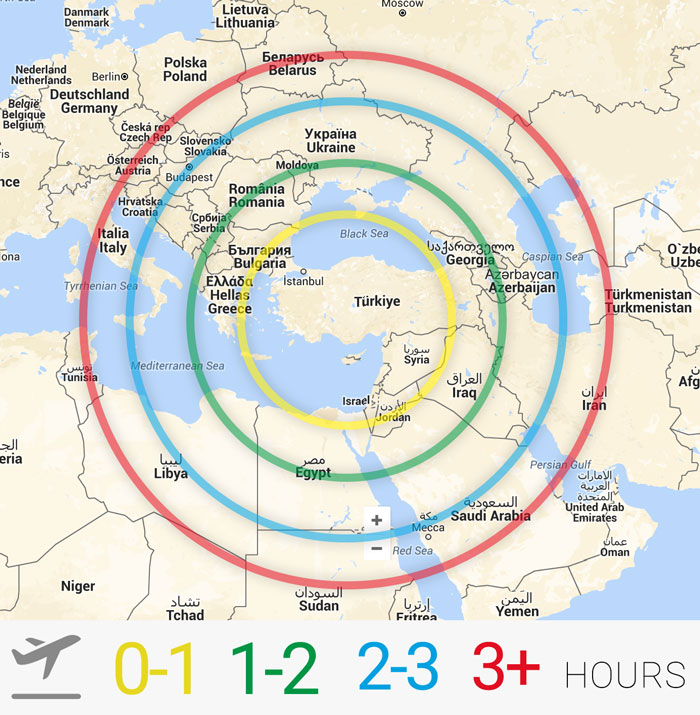
Stay: 3 days in Istanbul. Recovery: 2-3 days functional vision, 4 weeks no sport. Your doctor confirms when you can fly home.
Which clinic in Istanbul performs the treatment?
Treatment is carried out by specialist doctors at contracted health institutions in Istanbul. Mapa Health is a patient coordinator licensed by the Turkish Ministry of Health (AK-0456), not a clinic; the current list is on the page Our contracted institutions.
Transparency note: Mapa Health is a patient coordinator licensed by the Turkish Ministry of Health (licence AK-0456). Treatment is carried out by the partner clinics and hospitals. This page is for information, has a commercial background and does not replace an examination by an eye doctor.
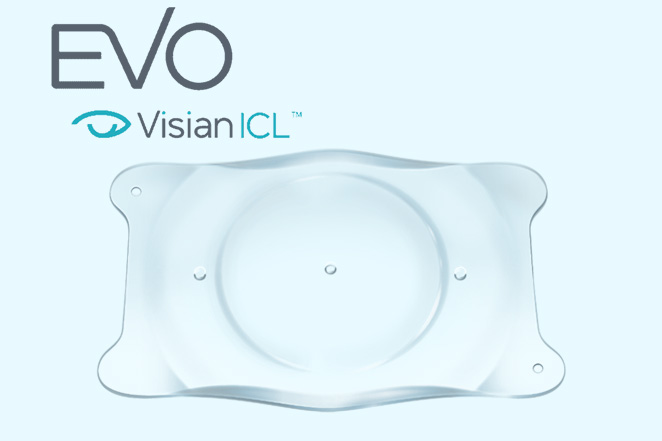
ICL (Implantable Collamer Lens) lenses represent a cutting-edge advancement in vision correction technology. Designed to correct a wide range of refractive errors, including myopia, hyperopia, and astigmatism, ICL lenses offer an alternative to traditional laser eye surgery for patients seeking precise and long-lasting vision improvement. These lenses are implanted behind the iris, providing a seamless and natural vision correction solution.
ICL lenses are particularly suitable for individuals who may not be ideal candidates for LASIK or other laser-based procedures. By preserving the natural structure of the cornea and offering a reversible option, ICL lenses deliver exceptional results with minimal risk, making them a life-changing choice for many patients.
Why Are ICL Lenses Considered Revolutionary?
ICL lenses are revolutionary due to their ability to provide a highly customizable and minimally invasive solution for vision correction. Unlike laser surgery, which permanently alters the cornea, ICL lenses are implanted without removing any tissue. This makes the procedure reversible and suitable for a broader range of patients, including those with thin corneas or dry eyes. ICL lenses also deliver sharp and stable vision correction, even in cases of severe refractive errors.
Who Are Ideal Candidates for ICL Lenses?
Patients with High Refractive Errors: Individuals with severe myopia, hyperopia, or astigmatism who are seeking a commonly used when medically suitable solution.
Patients with Thin Corneas: Those who are not suitable for laser eye surgery due to thin or irregular corneas.
Individuals Seeking a Reversible Solution: Patients who prefer a vision correction option that can be adjusted or removed if needed.
The Procedure
The ICL implantation procedure is minimally invasive and typically takes about 20 minutes per eye. It involves creating a small incision through which the custom-fit collamer lens is inserted and positioned behind the iris and in front of the natural lens. The surgery is performed under local anesthesia, ensuring a comfortable and pain-free experience. Recovery is swift, and most patients notice improved vision within 24-48 hours.
Benefits of ICL Lenses
Sharp and clear vision for a wide range of refractive errors.
Preserves the natural structure of the cornea.
Minimally invasive procedure with quick recovery.
Reversible option for long-term flexibility.
Suitable for patients with thin corneas or dry eyes.
Post-Surgery Care
After the procedure, patients receive detailed aftercare instructions to ensure proper healing. Follow-up appointments are scheduled to monitor lens positioning and overall eye health. Most patients can resume their normal activities within a few days, with full recovery achieved in a few weeks. The ICL lenses are designed to last a lifetime, offering stable and reliable vision correction.
In conclusion, ICL lenses provide a revolutionary, safe, and effective solution for individuals seeking to improve their vision without the need for laser surgery. Whether you’re dealing with high refractive errors or seeking a flexible and reversible option, ICL lenses offer a proven pathway to achieving exceptional visual clarity and a better quality of life.
What Are ICL Lenses Used For?
ICL lenses are used to correct severe myopia, hyperopia, and astigmatism. They are ideal for patients who may not qualify for laser eye surgery. The procedure takes approximately 20 minutes per eye and is completely pain-free. During the surgery, a custom-fit collamer lens is inserted behind the iris, providing a seamless vision correction solution. After the procedure, most patients experience significant vision improvement within 24-48 hours and can resume normal activities shortly after. The lenses remain in the eye permanently and offer a reversible solution if required.
ICL Lenses We Use
In our cataract treatment method, we use premium ICL lenses from the following trusted manufacturers:
Mapa Health is a patient coordinator licensed by the Turkish Ministry of Health (licence AK-0456) and does not perform treatment itself. Eye treatments are carried out by ophthalmologists at contracted health institutions in Istanbul that are authorised for international health tourism.
Your written treatment plan names the institution and the ophthalmologist before you travel, together with the method and the laser platform or lens model. The current list is on the page Our contracted institutions.
Questions worth asking before you book
Which ophthalmologist examines you and performs the procedure?
Which pre-operative measurements (corneal topography, corneal thickness, biometry) are included?
Which laser platform or which lens brand and model will be used, and which follow-up checks are included?
Accommodation during your treatment
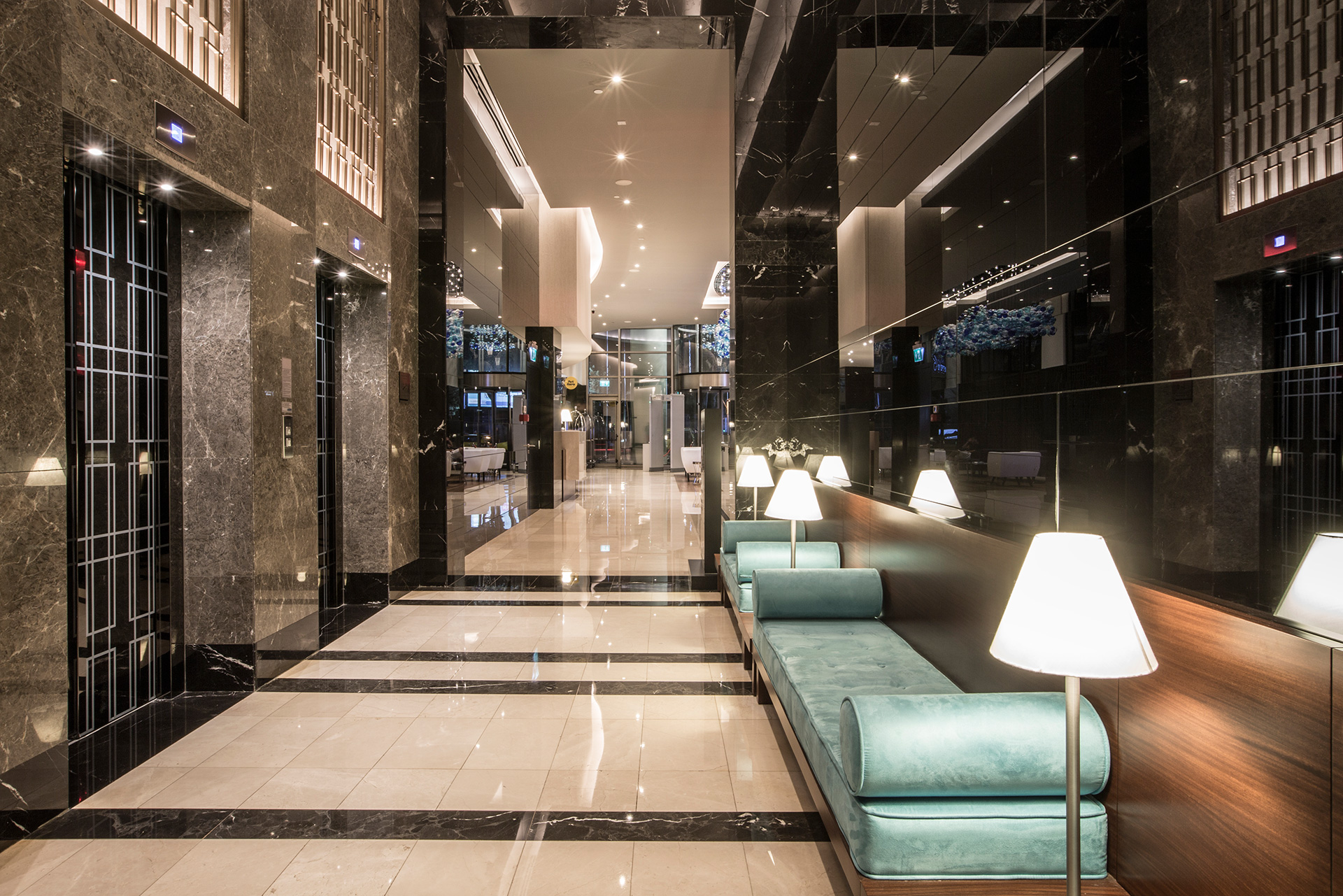
Your coordinator books your hotel as part of your package. The description below is an example of the accommodation we use in Istanbul; the exact hotel and room type are confirmed in writing before you travel.
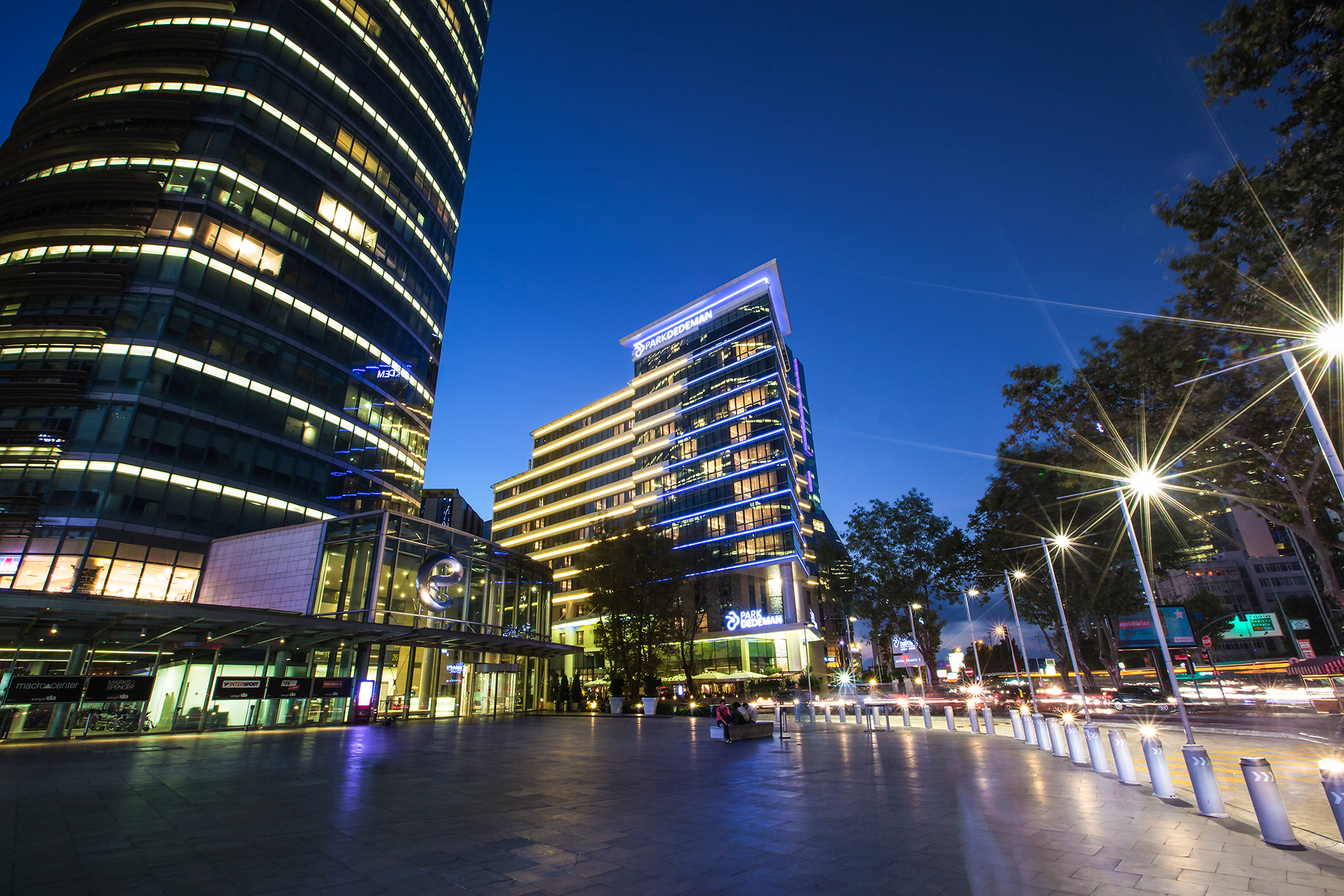
This modern hotel, located in a sleek tower, is 4 km from the Dolmabahçe Palace and 9 km from the iconic Hagia Sophia.
The warmly designed rooms feature WiFi, flat-screen TVs, and minibars. Premium rooms include tea and coffee makers, while suites offer sitting areas or separate living rooms, with many featuring jacuzzi tubs. Luxury suites include saunas and dining areas. Some rooms provide access to exclusive lounges with complimentary drinks, snacks, and evening hors d'oeuvres. Room service is available 24/7.
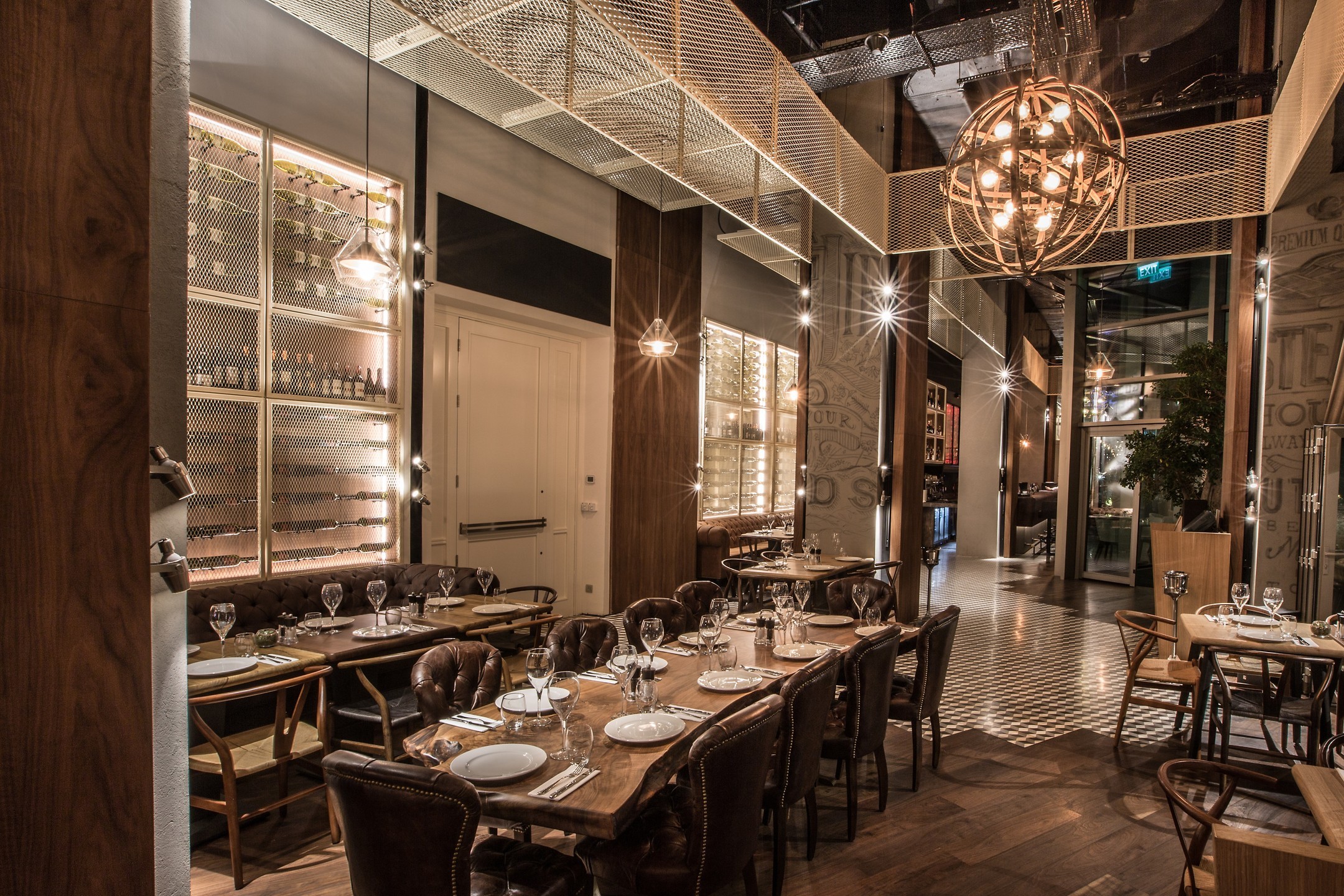
Breakfast and parking are complimentary. The hotel boasts a luxurious restaurant and a chic rooftop bar. Additional amenities include an indoor swimming pool, a fitness center, a juice bar, and a spa.
ICL Lens Surgery Cost
All-Inclusive Package Price
£6,000
Additional charges may apply if Toric lenses are required.
Both eyes treatment
STAAR brand lenses
Laboratory costs, medications, and equipment
Pre- and post-operative examinations
4-night stay at a 5-star hotel in Istanbul
Free accommodation for the accompanying person
VIP all-inclusive transfer service
No advance payment required
All transfers, medications, and follow-up examinations included
LASIK and ReLEx SMILE reshape the corneal surface with a laser. ICL surgery works differently: a custom-made Collamer lens is implanted behind the iris and in front of the natural lens. The cornea is left untouched. This makes ICL particularly suitable for patients with high prescriptions, thin corneas, suspected keratoconus or pronounced dry-eye symptoms. ICL is also fundamentally reversible - the lens can be removed or exchanged if needed.
3 to 4 days in Istanbul are typical. Day 1: arrival and detailed pre-op assessment (eye measurements, anterior chamber depth, endothelial cell count, pupil measurement). Day 2: surgery on one eye, with a check-up a few hours later. Day 3: surgery on the second eye or a check-up day, depending on individual planning. Day 4: final check-up and travel clearance. Some clinics operate on both eyes the same day, others with 1 to 7 days between procedures.
In most cases a return flight is possible 1 to 2 days after the final check-up. Dry cabin air and pressure changes are not a danger to the lens but can cause irritation - lubricating drops in your hand luggage are important. Final travel clearance is given by the treating ophthalmologist.
Most patients notice a clear improvement in vision within 24 to 48 hours of surgery and can resume light screen work. For longer screen sessions, short breaks, conscious blinking and lubricating drops are recommended, since the tear film still needs to settle. Strenuous physical activity and heavy lifting should be avoided for 1 week.
This depends on the clinic’s philosophy and the individual findings. Some refractive centres operate on both eyes on the same day (Same-Day Bilateral) for maximum comfort and a shorter stay; others prefer a 1- to 7-day gap to observe the healing of the first eye. Both approaches are established standards. Which one makes sense for you should be discussed clearly during the pre-op assessment.
Yes, this is one of its key advantages over laser procedures. The Collamer lens is not glued or fused to ocular tissue - it sits between the iris and the natural lens. If needed, it can be removed or exchanged for a different power through the same small incision, for example if vision changes over time or if a cataract develops. Exchange is an established and technically straightforward procedure.
ICL lenses are designed to remain permanently in the eye - for life. The Collamer material is biocompatible and does not age in the eye in the classical sense. Exchange is typically only needed if the prescription changes significantly or if an age-related cataract has to be operated on. In that case the ICL is removed during the cataract operation.
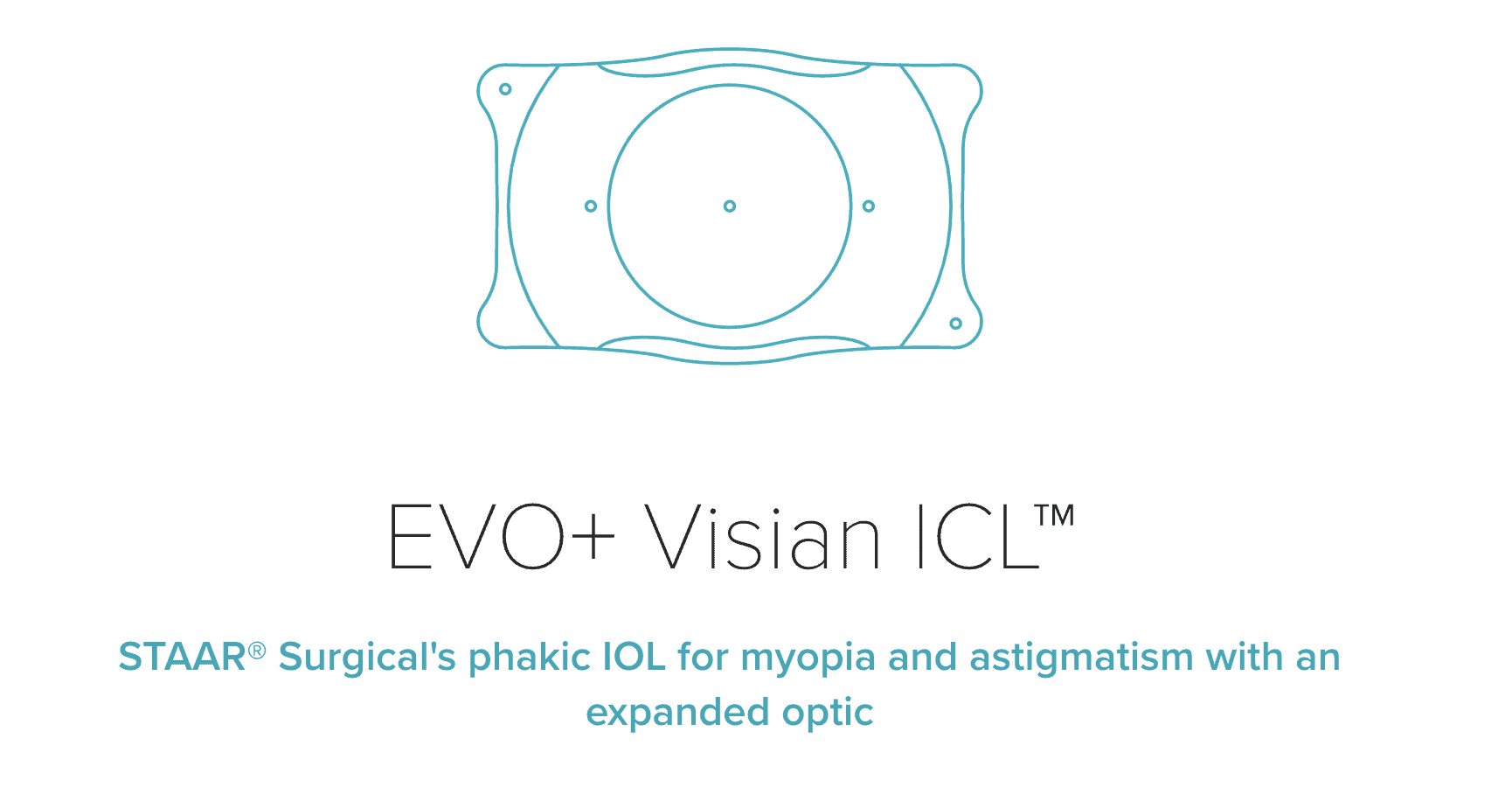
Yes, ICL is often the better choice for exactly this indication. EVO/EVO+ Visian ICL typically covers myopia up to -18 D and hyperopia up to +10 D, with astigmatism correction in the toric variant. With very high prescriptions, where LASIK or ReLEx SMILE would not be possible or borderline due to limited corneal thickness, ICL is the gentler solution - the cornea remains untouched. Final eligibility is confirmed by the complete pre-op assessment including anterior chamber depth and endothelial cell count.
The procedure itself is pain-free thanks to topical anaesthesia. During the 20 to 30 minutes per eye, patients feel pressure and see lights, but no pain. In the first hours after surgery, a mild foreign-body sensation, watering or light sensitivity can occur - these typically subside within the first day. Light sedation is available on request.
In Western European countries ICL costs typically range between £3,010 and £4,730 per eye. In Istanbul, ICL packages (pre-op assessment, EVO/EVO+ lens, surgery, hotel, transfer, follow-up) are offered at significantly lower prices, without compromise on lens model or safety standards - STAAR Surgical, the manufacturer of the Visian ICL lens, ships the same lens worldwide. What matters is a written breakdown: which lens (EVO or EVO+ Toric), how many pre-op tests, follow-up arrangements, and conditions for a lens exchange if the calculated power needs adjustment.
ICL Surgery: A Revolutionary Solution for Vision Correction
ICL (Implantable Collamer Lens) surgery is a groundbreaking procedure designed to correct a wide range of vision problems, including myopia, hyperopia, and astigmatism. This minimally invasive procedure involves implanting a custom-fit collamer lens into the eye, offering exceptional vision clarity without the need to remove the natural lens. The result is sharp, clear vision with minimal recovery time.
ICL surgery is ideal for individuals who may not qualify for laser eye surgery, such as LASIK, due to thin corneas or dry eye conditions. It is also an excellent option for patients seeking a reversible and customizable solution for vision correction. With a proven track record of safety and effectiveness, ICL surgery has transformed the lives of millions of patients worldwide.
The procedure uses advanced technologies to ensure precision and safety. The collamer lenses are biocompatible, meaning they are designed to work seamlessly with your eye’s natural structure. By addressing each patient’s unique visual needs, ICL surgery offers a life-changing improvement in vision and quality of life.
Frequently Asked Questions: Pre-Surgery
Who is a good candidate for ICL surgery?
Ideal candidates are individuals with severe myopia, hyperopia, or astigmatism, as well as those who are not suitable for LASIK or other laser vision correction procedures.
What makes ICL lenses unique?
ICL lenses are custom-made, biocompatible lenses that are implanted behind the iris. Unlike LASIK, ICL surgery does not remove corneal tissue, preserving the eye’s natural structure.
Is the procedure painful?
No, the surgery is performed under local anesthesia, ensuring a pain-free experience for the patient.
How long does the procedure take?
The procedure typically takes about 20-30 minutes per eye.
Do I need to prepare for the surgery?
Yes, a comprehensive eye examination will be conducted, and patients may need to use prescribed eye drops prior to surgery.
Frequently Asked Questions: Post-Surgery
What can I expect immediately after the surgery?
Most patients experience significantly improved vision within 24-48 hours. Some mild sensitivity to light may occur but typically resolves quickly.
Are there any restrictions after the surgery?
Patients are advised to avoid strenuous activities, swimming, and rubbing their eyes for at least one week post-surgery.
When can I return to work?
Many patients can resume work within a few days, depending on their recovery and job requirements.
Are follow-up appointments necessary?
Yes, follow-up appointments are essential to ensure proper lens positioning and to monitor healing progress.
How long do the lenses last?
ICL lenses are designed to last a lifetime but can be removed or replaced if necessary, providing a reversible option.
In Conclusion
ICL surgery is a safe, effective, and customizable solution for individuals seeking to improve their vision without undergoing laser eye surgery. Whether you’re dealing with severe refractive errors or looking for a reversible alternative, ICL surgery offers unmatched clarity and convenience. Contact us today to learn more or to schedule your personalized consultation.
Consult a Doctor
Have questions? Our experts are here to help. Contact us now!
ICL Turkey: treatment or cost?
This page is the treatment guide for ICL Turkey. For pricing searches, use ICL lens implant Turkey cost.
A typical schedule for international patients - rounded times, based on real clinic organisation. ICL surgery covers both eyes, which is why the stay typically lasts 3 to 4 days. Your individual journey may shift depending on flight times, lens choice and healing.
DAY 1
Arrival & extended pre-op assessment
08:30
Landing in Istanbul (IST)
Mapa driver in arrivals with a "Mapa Health" sign. Plate number is shared by WhatsApp in advance.
11:00
Hotel check-in
About 35-minute drive to the 5-star partner hotel in Levent or Maslak district. Water in the car, English-speaking escort available.
14:00
Clinic: extended pre-op assessment
ICL requires more measurements than laser procedures - anterior chamber depth, endothelial cell count, corneal topography, refraction, pupillometry. About 60 to 90 minutes. Followed by a consultation about lens choice (EVO, EVO+, Toric).
17:00
Quiet evening
No eye make-up from today. Preparatory drops are provided if needed.
DAY 2
Surgery on the first eye
09:00
Transfer to the clinic
Light breakfast, comfortable clothes, no perfume. Companion can come along or wait at the hotel.
10:00
ICL implantation, eye 1
Topical anaesthesia, small incision at the corneal edge, insertion of the pre-fabricated Collamer lens behind the iris. 20 to 30 minutes - you see light and feel pressure, no pain.
11:00
Recovery room & 2-hour check
Lying recovery, drops, then a brief check of lens position and intraocular pressure. Vision is blurry - that is expected.
14:00
Hotel - sleep, drops
Sleep helps. Drop schedule hourly on the first day. Protective glasses while sleeping prevent unconscious rubbing.
DAY 3
Follow-up & surgery on the second eye
09:00
Check on eye 1
Lens position, intraocular pressure, vision test. If everything is on track the second eye is operated the same day.
10:30
ICL implantation, eye 2
Identical course as Day 2. Some clinics schedule the second eye only after 1 week - then the stay is extended accordingly or you travel separately for the second surgery.
13:00
Recovery at the hotel
Both eyes now need to settle in parallel. No screens. WhatsApp hotline reachable around the clock.
DAY 4
Final follow-up & trip home
09:00
Mandatory clinic follow-up
Vision test for both eyes, slit-lamp examination, intraocular pressure measurement. Written drop schedule for 4 weeks, written travel clearance and surgical report for your eye clinic at home.
11:00
Hotel check-out
Vision is usually noticeably clearer than before the trip. Sunglasses on for outdoors.
14:00
Airport transfer
Lubricating drops in hand luggage. Cabin air can irritate the eyes.
16:30+
Flight home
First follow-up with your eye clinic at home after 1 week, then after 1 and 3 months. Mapa Health stays reachable by WhatsApp.
M
Mapa Health · Patient coordination
Example - typical exchange
via WhatsApp
"Hello, one hour before landing. Your driver is holding a "Mapa Health" sign in arrivals. The plate number will be sent to you 30 min before landing. Your lens power is confirmed - the EVO+ Toric will be ready before your surgery. - your coordinator"
Coordinator response time: typically under 10 minutes · reachable 24/7 during your trip
What if...?
The most common quiet worries before ICL surgery - short and honest.
"Will I feel the lens in my eye?"
The Collamer lens is paper-thin and positioned so that it does not touch any eye structures. Patients typically describe the wearing sensation as "not noticeable". Any feelings of dryness or pressure in the first days come from the corneal healing process and not from the lens itself.
"What if the lens shifts?"
The ICL lens is positioned so that the natural eye anatomy holds it in place. Displacement is very rare and would be correctable with an outpatient procedure. At every follow-up the lens position is checked with the slit lamp.
"I am travelling alone - what if I am unsure after surgery?"
Mapa staff arrange arrival and return. WhatsApp hotline around the clock during your stay. If you have concerns after surgery you can come to the clinic without an appointment or speak with the surgeon by video call.
"What if I do not speak Turkish?"
Pre-op assessment, surgical briefing and follow-ups are in English. Drop schedule, surgical report and travel clearance are issued in English - important for follow-up with your eye clinic at home.
What you actually experience
Small observations after ICL surgery
No marketing phrases. Short, honest observations - what typically feels like during the first hours, days and weeks after ICL implantation. Individual experiences may vary.
0-6 h
After ICL implantation, vision often appears milky or slightly blurred - this is expected and temporary.
0-6 h
Light sensitivity, watery eyes and a mild pressure sensation behind the eye are part of the first hours.
0-6 h
Patients more often report halos than with laser procedures - they typically diminish over the following days.
0-6 h
The lens itself is not noticeable; the sensation in the first hours comes from the corneal incision.
6-24 h
Sleep is the most important activity of the first day - even if it is still light outside.
6-24 h
Protective goggles during sleep prevent unconscious eye rubbing at night.
6-24 h
On the morning after surgery, many patients see surprisingly clearly - often clearer than ever with glasses.
1-7 days
Screen time from day 2 is usually possible, but the tear film still needs time to stabilise.
1-7 days
Halos and starbursts around light sources in the evening are common in the first week and usually subside noticeably.
1-7 days
Eyes can feel tired faster in dry, heated indoor air than before surgery.
1-7 days
Eye make-up and swimming are typically paused for the first 7 to 10 days.
1-4 weeks
Visual sharpness typically stabilises completely within the first 2 to 4 weeks after implantation.
1-4 weeks
Sport without water contact is usually possible again after about 1 week; pool and sauna after 2 to 4 weeks.
1-4 weeks
Halos when driving at night noticeably diminish for most patients within the first month.
1-4 weeks
Intraocular pressure is measured several times during the first follow-ups - a routine precaution with ICL.
Observations from medical sources and physician-led aftercare - no patient quotes, no success guarantees. Your individual healing may vary depending on baseline findings, lens choice and lifestyle.
ℹ Educational information - These honest answers offer general medical orientation reviewed by the Mapa Health Clinical Review Team. They do not replace personal consultation with a qualified physician.
Honestly answered
What patients often hesitate to ask
These questions rarely come up in consultations but show up far more often during late-night research. Here are the honest, hedged answers - no marketing, no promises.
1My home country eye specialist says ICL is not necessary at my age - who is right?
Both views can be legitimate. A home-country eye specialist often has a conservative line and may not know all indications for modern phakic ICL. If they cite medical reasons (anterior chamber too shallow, low endothelial cell count, suspected narrow-angle glaucoma), their assessment should be taken seriously and clarified before travel. If the reasoning is more general ("eye surgery is a risk"), a refractive second opinion with full diagnostics in Istanbul can bring clarity. Bring all available findings with you. If both doctors arrive at the same conclusion, you gain confidence.
2What if I suddenly panic during surgery or move?
This worry is common and legitimate. With ICL implantation you are awake, the procedure takes 20 to 30 minutes per eye, the eye is anaesthetised and held open with a light lid retainer. The surgeon talks to you between steps and explains what is coming. A mild sedative is possible on request and should be discussed before surgery. If you feel extreme uncertainty, the procedure can be paused at any time - safety takes priority. Before booking, ask for the written plan, inclusions and exclusions, expected recovery time, possible alternatives, follow-up route and warning signs that require local care. If the question is about price, timing or results, treat the page information as guidance until the medical assessment and written quote are completed.
3Can an ICL lens cause cataracts later?
An increased risk of premature lens clouding (cataract) is reported in the medical literature, especially with older models without a central opening and with lenses implanted too tightly. The EVO/EVO+ Visian ICL used today have a central opening (KS-AquaPort) that maintains aqueous flow and significantly reduces cataract risk. A completely zero risk does not exist - correct sizing and anterior chamber depth in the pre-operative assessment are critical. If a cataract develops later, the ICL is removed at the time of cataract surgery and replaced with an intraocular lens.
4Will I still see halos and starbursts at night after ICL?
Halos around lights are a known phenomenon after ICL implantation, especially with large pupils in the dark and in patients with high baseline myopia. Most patients describe them as noticeable in the first 4 to 8 weeks, then decreasing. In a small group, halos can persist long-term and make night driving harder. Pupillometry under mesopic conditions before surgery indicates the risk. With very large pupils (>6.5 mm in the dark), an honest risk-benefit discussion with the surgeon is warranted.
5My partner had ICL and still does not see perfectly - could that happen to me?
A residual refractive error after ICL is possible - typically in the range of 0.25 to 1.0 dioptres, due to small differences between calculated and actual lens effect. For most patients the remaining vision is sufficient for daily life, driving and work. If residual error does bother you, it can be corrected with glasses, contact lenses or a small laser touch-up. More important than the technique is the pre-operative assessment: precise anterior chamber measurement and endothelial cell count reduce the risk.
6Can the lens be removed later?
Yes, that is one of the advantages of ICL - the lens can be removed or exchanged through the same small incision. However: every second procedure carries its own risks. Removal is technically straightforward, but you will then have your original refractive error again. Common reasons for later removal include cataract surgery or a significant refraction change. Removal "because I no longer like the lens" is medically uncommon but technically possible. Before booking, ask for the written plan, inclusions and exclusions, expected recovery time, possible alternatives, follow-up route and warning signs that require local care. If the question is about price, timing or results, treat the page information as guidance until the medical assessment and written quote are completed.
7What if the calculated lens power is wrong - will I need surgery again?
A miscalculation of lens power has become rare with modern biometry devices but is not impossible. If a significant residual error remains after surgery (more than 0.75 to 1.0 D), the lens can be exchanged for a different power - this is a standard procedure. Ask before travel about the clinic's lens-exchange policy: is it included in the package, what waiting period applies, what does a second trip cost. A reputable clinic provides this information in writing. Before booking, ask for the written plan, inclusions and exclusions, expected recovery time, possible alternatives, follow-up route and warning signs that require local care. If the question is about price, timing or results, treat the page information as guidance until the medical assessment and written quote are completed.
8My endothelial cell count came back low - am I still eligible?
Endothelial cell count is a central safety parameter for ICL. Values above 2,000 cells/mm² are considered safe; 1,500 to 2,000 calls for careful indication; below 1,500 ICL is usually declined, since every intraocular procedure involves a small amount of endothelial cell loss. If your value is borderline, discuss with the surgeon before travel whether ICL is justifiable or whether another option (glasses, refractive lens exchange) would be safer. An honest clinic will more likely advise against than for in this situation.
9Will I still need reading glasses in older age after ICL?
Yes, with high probability - because ICL corrects distance vision but does not affect age-related near-vision loss (presbyopia), which typically begins in the mid-40s. Those who have ICL in their 20s or 30s see clearly in the distance without glasses but will later need reading glasses. Those operated in their 40s can work with monovision (one eye set more for near vision) - which is not comfortable for everyone. In patients aged 50+, refractive lens exchange (RLE) is often discussed as an alternative because it can address both distance and near vision at the same time.
10What if I am unhappy after surgery? Is there a guarantee?
A guarantee on a specific dioptre value or a specific visual experience cannot be given honestly by anyone - surgical healing is individual. What you should request in writing: defined follow-up, conditions for a lens exchange in case of miscalculation, communication channels in case of complications. "Satisfaction guarantee" as advertising is rarely legally enforceable. Focus on the treatment contract: which services are included, what happens if healing differs from plan. Before booking, ask for the written plan, inclusions and exclusions, expected recovery time, possible alternatives, follow-up route and warning signs that require local care. If the question is about price, timing or results, treat the page information as guidance until the medical assessment and written quote are completed.
11Why is ICL in Turkey significantly cheaper than in Western Europe - are they cutting corners on safety?
The price difference is structural. Personnel, rent and hospital overhead in Istanbul are below Western European levels, while EVO/EVO+ Visian ICL lenses are manufactured by STAAR Surgical in the USA and supplied worldwide to the same standard. What you should look at: is the EVO+ with central opening included or an older variant; is the pre-operative assessment with endothelial cell count and anterior chamber depth included; what does a lens exchange cost if needed. If an offer is significantly below the Turkish market level (for example flat-rate below £1,290 per eye including hotel), be sceptical - that is often a loss-leader without sufficient pre-operative assessment or with older lens models.
12If the Turkish clinic makes a mistake, will my home physician help me at all?
Cross-border medical responsibility is a real question. Most home-country eye specialists will see you, perform an examination and prescribe drops if needed - but as a private service. A correction of a faulty ICL implantation at home is possible but expensive, and not every surgeon accepts these patients. Speak openly with your home-country eye specialist before travel about whether they would continue to care for you after surgery abroad. Have the Turkish clinic provide a complete operative report (lens model, power, size, course of surgery) and all measurements in writing - these documents are your bridge between the systems.
These answers are for orientation and do not replace medical advice. Individual eligibility, risks and outcomes depend on your pre-operative assessment, medical history and the chosen treatment. Reviewed by the Mapa Health Clinical Review Team - as of .
Related Treatments
Patients who research this procedure often also consider the following options - either as alternatives or as sensible additions to the overall treatment plan:
OphthalmologyAAO / NEI sourcesTurkish Ministry of Health
Content is reviewed against medical sources, partner-facility information and current treatment protocols. Individual suitability, risks and outcomes can vary.
Implantable Collamer Lens (ICL) surgery is a reversible vision correction procedure with over documented patient feedback where available globally. Unlike laser surgery, ICL does not permanently alter the cornea and can be removed if needed.
⚠
Temporary increase in eye pressure during the first few days (monitored closely)
⚠
Halos around lights, especially at night, during the initial adaptation period
⚠
Risk of cataract development if the lens contacts the natural lens (rare with modern V4c EVO lens design)
⚠
Potential need for lens repositioning in rare cases
⚠
Extremely rare: endophthalmitis (intraocular infection, less than 0.02%)
✓ Safety information:
We exclusively use the STAAR Surgical EVO Visian ICL, which features a central port (KS-AquaPORT) eliminating the need for peripheral iridotomies. The biocompatible Collamer material provides built-in UV protection and works in harmony with the eye's natural chemistry.
Recovery Timeline
First 24 hours
Noticeable vision improvement within hours of surgery. Mild sensitivity to light and slight blurriness are normal. Wear protective eye shield during sleep.
Days 2-3
Most patients achieve functional vision for daily activities. Follow-up examination to check lens position and eye pressure. Begin prescribed drop regimen.
Week 1
Return to office work and light activities. Avoid bending over, heavy lifting, and eye rubbing. Continue anti-inflammatory and antibiotic drops.
Weeks 2-4
Resume normal activities including light exercise. Vision continues to refine. Avoid swimming and saunas.
Month 1-3
Final visual outcome achieved. Full clearance for all activities including contact sports and swimming.
Who Is a Good Candidate?
✔Good Candidates
Patients with high myopia (-3 to -20 diopters) or high astigmatism unsuitable for laser surgery
Adults aged 21-45 with stable prescription for at least 12 months
Individuals with thin corneas who are not candidates for LASIK or SMILE
Patients who prefer a reversible, non-permanent vision correction option
Patients with anterior chamber depth less than 2.8 mm
Individuals with existing cataracts or advanced glaucoma
Endothelial cell count below safe threshold
Pregnant or breastfeeding women
Patients with chronic inflammatory eye conditions (uveitis)
PUBLIC PATIENT FEEDBACK
Independent Review Profiles
Before choosing a coordinator, compare public patient feedback from more than one source. We link to the original profiles so you can read the full context directly.
Google Business Profile
★★★★★4.5· 109 Google reviews
Open the public Google profile to see recent feedback, photos and location context from patients and visitors.
Transform your vision effortlessly! Follow our three simple steps to achieve the clarity you’ve always dreamed of.
01
ONLINE CONSULTATION
During your online consultation, we’ll review your medical history and evaluate any vision concerns you may have. You’ll have the opportunity to ask questions and learn more about the available eye treatment options tailored to your needs.
02
TREATMENT PLANNING
Once we’ve reviewed your consultation details, our eye care specialists will create a personalized treatment plan. This plan will include the most suitable procedures for your condition, estimated recovery timelines, and cost details.
03
SCHEDULE SURGERY
After finalizing your treatment plan, we’ll schedule your surgery on a date that’s convenient for you. Our team will also assist with any travel arrangements, including accommodation and transfers.
World-Class and Affordable Health Care in Turkey
Experience premium-quality medical treatments at a fraction of the cost compared to Europe. Mapa Health is a patient coordinator licensed by the Turkish Ministry of Health (AK-0456): treatment is carried out by experienced doctors at contracted health institutions, named in your written plan before you travel.
From your initial consultation to your safe return home, our dedicated team ensures a seamless experience at every stage of your journey. We are committed to making you feel comfortable, supported, and cared for, just like at home.
Combine your treatment with a memorable vacation by exploring Turkey’s rich culture and stunning sights.
Benefit from fast and efficient medical care with no waiting times.
Access cutting-edge medical technologies and state-of-the-art facilities.
Receive world-class treatments at significantly lower costs.
EXCLUSIVE
Our services
Health Counseling
Our multilingual consultants are available to assist you during business hours
Accommodation Service
Affordable 5 star hotel accommodation
Transfer Service
Complimentary transfers between airport, clinic and hotel
Group Tours
Exclusive city tours and cultural experiences arranged for group visitors
State-of-the-Art Clinics
Treatments performed in modern, fully-equipped medical facilities
Global Healthcare Service
We serve patients from more than 20 countries worldwide
Medical planning checkpoints
Use this section to evaluate ICL Lens Implant in Turkey from £6,000 as a medical-travel decision, not only as a price comparison. The right plan depends on diagnosis, eligibility, medical records, realistic expectations, aftercare access and the written offer issued before travel.
Confirm eligibility first
Suitability should be checked before any booking. Share recent tests, medication lists, allergies, previous operations and relevant photographs or scans. The treating physician or clinic must confirm whether ICL Lens Implant in Turkey from £6,000 is appropriate and whether another option would be safer.
Compare the alternatives
Ask what would happen if you choose local care, postpone treatment, use a less invasive option or select another procedure in the same specialty. A good consultation explains why the proposed route fits your diagnosis and why excluded alternatives are less suitable.
Read the written offer
The price should be read together with inclusions, exclusions, currency, provider details, hotel nights, transfers, diagnostics, medicines, revisions and follow-up route. £6,000 is a starting figure; the final quote depends on assessment and availability.
Plan recovery realistically
Travel planning should include downtime, flight timing, activity restrictions, wound or eye care, diet changes, remote follow-up and warning signs. Do not plan important work, sport or long travel until the recovery window is clear.
Check provider responsibility
Mapa Health coordinates the journey, but the treating provider makes medical decisions. Before travel, confirm the facility, physician role, consent form, emergency contact, aftercare terms and how records will be shared after returning home.
Keep evidence and questions
Save the written plan, consent forms, device or implant details where relevant, invoices and aftercare instructions. Bring questions about risks, expected limits, pain control, complications, alternatives and what is not included in the package.
Before confirming travel, check:
written diagnosis or indication
provider and physician details
clear inclusions and exclusions
recovery and flight timing
aftercare and emergency route
final quote after medical assessment
This page is educational. Personal medical advice can only be given after clinical review by the responsible healthcare professional.
Compare this treatment option
Before choosing, compare this option with local treatment, non-surgical care where relevant, and alternative procedures in the same category. The right choice depends on diagnosis, eligibility, risks, recovery time and the written aftercare plan.
Explore related treatment pages
Use these internal links to compare the main treatment guide, cost page and nearby alternatives before requesting a quote.