Transparency note: Mapa Health is a patient coordinator based in Istanbul, licensed by the Turkish Ministry of Health (licence AK-0456), and not a dental clinic. Treatment is carried out by dentists at vetted partner clinics. This page is for information, has a commercial background and does not replace a dental examination.
Quick answer: A veneer is a thin shell that covers only the front of a tooth to correct colour, shape or small gaps. The reference material on this page is E.max glass ceramic, from £210 per tooth. A veneer needs a healthy tooth with enough enamel; a weakened tooth usually needs a crown instead. In Istanbul the treatment usually takes one trip of about 4 days. Mapa Health coordinates the plan, appointments, transfer and hotel; the treatment itself is carried out by the partner clinic.
What are dental veneers?
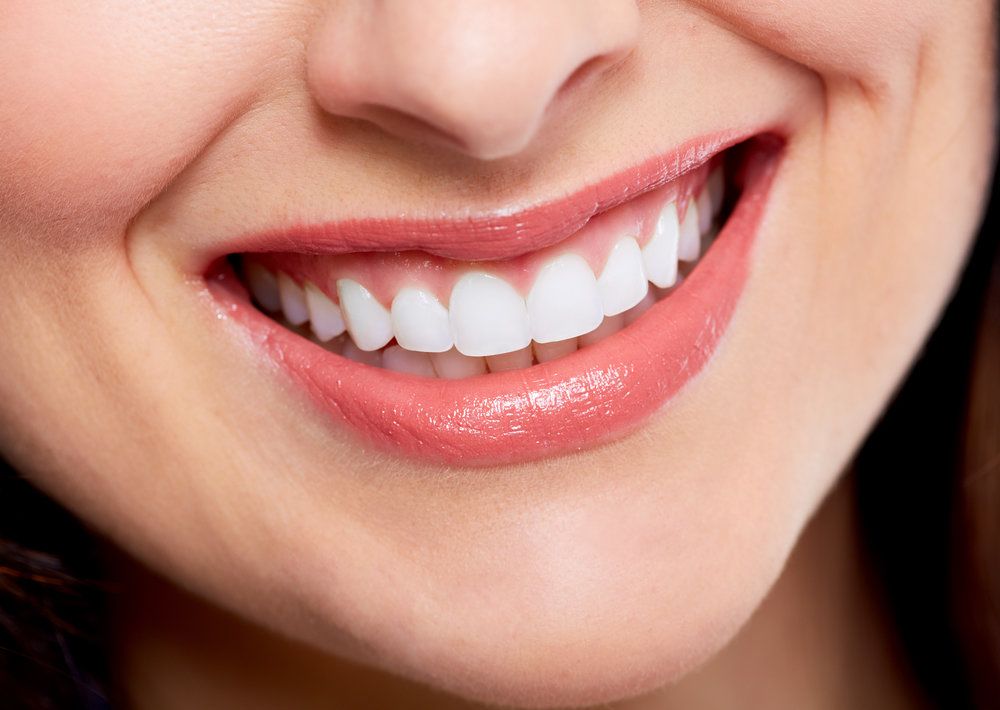
A veneer is a thin ceramic or composite shell that is bonded to the front surface of a tooth. It changes what you see when you smile: colour, shape, length and small gaps. It does not treat decay or gum disease and it does not replace a missing tooth.
Veneers are planned tooth by tooth. Some people need two or four veneers on the front teeth, others a full smile line. If several teeth need crowns as well, the plan becomes a Hollywood Smile.

Veneer materials: E.max, composite and when a crown is the better choice
E.max veneer. E.max is a lithium disilicate glass ceramic made by Ivoclar. It lets light through much like natural enamel and holds its colour. The veneer is made in the dental laboratory and bonded to the tooth. E.max is the reference material for the package on this page.
Composite veneer. Tooth-coloured composite is applied directly to the tooth and shaped in one visit. It needs little or no tooth removal and can be repaired. It stains and wears faster than ceramic, however, and needs polishing more often.
No-prep veneer. A very thin ceramic veneer that is bonded with little or no tooth removal. It only works when the teeth are small or set back; on teeth in a normal position it can make the smile look bulky.
Zirconia crown instead of a veneer. A tooth with large fillings, a root canal treatment or an old crown usually does not have enough healthy enamel for a veneer. A zirconia crown, from £135 per tooth, covers the whole tooth and stabilises it.
E.max veneer or composite veneer: the difference at a glance
| E.max veneer | Composite veneer |
|---|
| How it is made | in the dental laboratory, bonded at a second appointment | directly on the tooth, in one appointment |
| Tooth reduction | usually a few tenths of a millimetre on the front | little or none |
| Colour stability | high, the ceramic surface hardly stains | lower, can stain and lose its gloss |
| Repair | a broken veneer is usually replaced | small chips can often be repaired |
| Usually right when | several front teeth are to be matched for the long term | one or two teeth need a small correction |
Which material fits is decided tooth by tooth by the treating dentist at the partner clinic, after X-rays and a clinical examination. Ask for a written plan that names the material for every tooth.
How much tooth is removed for a veneer?
For an E.max veneer the dentist usually removes a few tenths of a millimetre of enamel from the front of the tooth, so that the veneer does not look thick. This cannot be reversed, because enamel does not grow back. The tooth will permanently need a veneer or another restoration.
That is why a digital smile design should come before any tooth is prepared and, where possible, a try-in in the mouth with a temporary material. Only when you have seen and approved shape, length and colour is the tooth prepared.
If an offer plans crowns on healthy front teeth, ask why. Much more tooth substance is removed for a crown than for a veneer. A crown is the right choice for a weakened tooth, not for a healthy one.
Process and stay in Istanbul
Before the trip: You send recent photos of your smile and, if available, a panoramic X-ray. The team at the partner clinic assesses every tooth. You receive a written plan with material, number of teeth, schedule and price before you book.
- Day 1: Arrival, examination, X-ray and smile design
- Day 2: Preparation of the teeth, temporaries
- Day 3: Try-in of the veneers
- Day 4: Fitting, check-up, flight home
Typical timings for guidance. The treating dentist at the partner clinic sets the exact plan after an X-ray and examination. If treatments such as decay treatment, a root canal or implants are needed first, the stay is longer or a second trip is planned. You can work out your schedule in the dental trip planner.
Cost: what the package includes and what determines the price
E.max veneers in the Mapa Health package start at £210 per tooth. The binding price is stated in the written treatment plan you receive before booking.
Included in the package: laboratory costs, examinations with 3D tomography and panoramic X-ray, local anaesthesia, medication, transfers between airport, hotel and clinic, hotel with breakfast during treatment, and support in your language. Not included: the flight.
What determines the total price: the number of teeth treated, the material per tooth, and any preliminary treatment such as decay treatment, root canal treatment or implants. A detailed price overview is on the page dental veneers Turkey cost.
Risks and when veneers are not suitable
An honest coordinator also says when veneers are not the right answer.
- With untreated decay or inflamed gums, the underlying condition is treated first.
- If you only want whiter teeth, professional whitening is often the better choice.
- For crooked or crowded teeth, aligner treatment often gives a better result without removing tooth substance.
- Night-time teeth grinding puts heavy stress on veneers and crowns and can cause chipping. If you grind your teeth, you should wear a night guard after treatment.
- Tooth preparation cannot be reversed. The tooth will permanently need a restoration afterwards.
After treatment the teeth can be sensitive for a few days. Shape and colour are a matter of taste: discuss your expectations at the smile design and the try-in, before the restorations are finally fitted.
How Mapa Health works: coordinator, not clinic
Mapa Health is not a dentist and not a clinic but a patient coordinator licensed by the Turkish Ministry of Health (licence AK-0456). The licence authorises Mapa Health to support international patients and to coordinate treatments at healthcare facilities; it does not make Mapa Health the treatment provider.
- The partner clinic examines you, makes the diagnosis, chooses the material and carries out the treatment.
- Mapa Health prepares the documents, sends you the written plan and organises transfer, hotel, appointments and support in your language.
- The price follows from the scope of treatment set by the dentist. You receive it in writing before booking.
Since 2020 Mapa Health has accompanied more than 500 international patients. You can check the reviews on Trustpilot (4.5 out of 5 from 108 verified reviews) yourself before deciding.
Aftercare, care and written commitments
Written commitments on material and workmanship are given by the treating partner clinic, not by Mapa Health. You receive the exact terms in writing before treatment: duration, scope and exclusions, for example accidents, lack of care or teeth grinding without a night guard. A replacement usually requires another trip to Istanbul.
Care is the same as for natural teeth: brush twice a day, use floss or interdental brushes and have a professional cleaning twice a year, which can be done by your dentist at home. With good care and regular check-ups, veneers and crowns often last ten years or longer.