Last updated:

All-on-6 Turkey: Cost, Process and Two Trips

Transparency note: Mapa Health is a patient coordinator based in Istanbul, licensed by the Turkish Ministry of Health (licence AK-0456), and not a dental clinic. Treatment is carried out by dentists at vetted partner clinics. This page is for information, has a commercial background and does not replace a dental examination.

Quick answer: All-on-6 is a fixed full-arch bridge carried by 6 implants in one jaw. It is planned when most or all teeth in a jaw are missing or cannot be saved. The treatment needs two trips to Istanbul: about 3 days for the implants and a fixed temporary bridge, and about 5 days for the final bridge, with 3 to 6 months of healing in between. The package on this page starts at £7,670 for both jaws. Mapa Health coordinates the plan, appointments, transfer and hotel; the treatment itself is carried out by the partner clinic.

What is All-on-6?

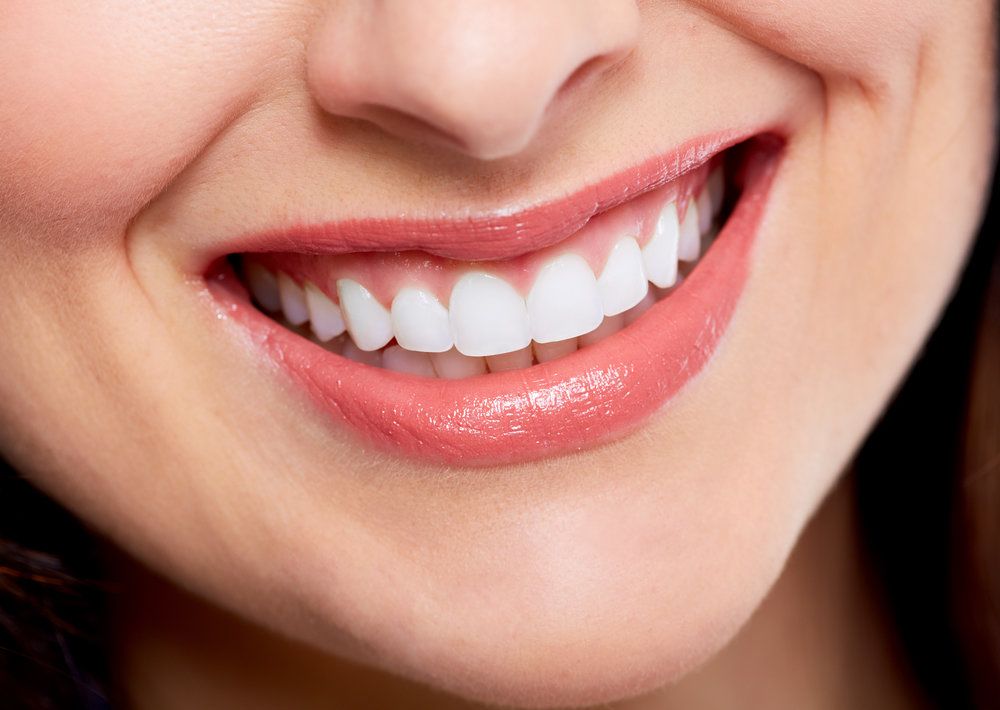
All-on-6 replaces all teeth of one jaw with a fixed bridge that is screwed onto 6 implants. The patient cannot remove the bridge; it is brushed like natural teeth and also cleaned underneath with special brushes.

All-on-6 is a solution for a jaw with few or no remaining teeth. If only single teeth are missing, a single dental implant is the right topic. If your own teeth are healthy and only their look bothers you, veneers or crowns are planned instead.

All-on-6: fixed bridge on 6 implants

Implants, temporary bridge and final bridge: what the treatment consists of

The implants. 6 titanium implants are placed in the jaw under local anaesthesia, on request with sedation. Mapa Health coordinates treatments with implant systems from Straumann and Nobel Biocare, among others.

The temporary bridge. On the first trip you receive a fixed temporary bridge, so you do not go home without teeth. It is lighter than the final bridge and is meant for the healing period.

The final bridge. After 3 to 6 months of healing the final bridge is made, tried in and fitted. It is usually made of zirconia or of a metal framework with ceramic or acrylic teeth; the material is named in the written plan.

Teeth that have to be removed. Remaining teeth that cannot be saved are removed on the first trip, usually in the same session as the placement of the implants. Which teeth that concerns is decided by the dentist after the 3D X-ray.

All-on-4 or All-on-6: the difference at a glance

All-on-4All-on-6
Implants per jaw46
Boneoften possible with less bone, because the rear implants are placed at an angleneeds more bone, also at the back of the jaw
Loadthe bridge rests on four pointsthe load is spread over six points
Pricelower, fewer implantshigher, more implants
Usually right whenbone is limited, especially in the lower jawthere is enough bone and strong chewing forces are expected

Whether four or six implants make sense is decided by the treating dentist at the partner clinic after the 3D X-ray. More implants are not automatically better; the decisive factor is the bone. Ask for a written plan that names the number of implants, the implant system and the bridge material. More on the alternative: All-on-4.

Is the treatment painful and how long does healing take?

The implant is placed under local anaesthesia. You feel pressure but normally no pain during the procedure. Swelling and soreness for a few days afterwards are normal and are treated with the prescribed medication.

The implant then needs time to fuse with the bone. This takes 3 to 6 months, usually longer in the upper jaw than in the lower jaw. During this time you eat soft food at first and avoid smoking, because smoking is one of the main reasons implants do not heal in.

The final bridge is fitted on the second trip, once the implants have healed in. Until then you wear the fixed temporary bridge and eat soft food at first.

Process and stay in Istanbul

Before the trip: You send recent photos of your smile and, if available, a panoramic X-ray. The team at the partner clinic assesses every tooth. You receive a written plan with material, number of teeth, schedule and price before you book.

Trip 1: 3 days in Istanbul

  1. Day 1: Arrival, examination, 3D X-ray (CBCT)
  2. Day 2: Placement of the implants, fixed temporary bridge
  3. Day 3: Check-up, flight home

At home: healing: 3 to 6 months. The implants fuse with the bone. You wear the temporary teeth, eat soft food at first and avoid smoking. Check-ups by photo and video call.

Trip 2: 5 days in Istanbul

  1. Day 1: Arrival, healing check
  2. Day 2: Digital scan
  3. Day 3: Try-in of the final bridge
  4. Day 4: Fitting of the final bridge
  5. Day 5: Bite check, flight home

Typical timings for guidance. The treating dentist at the partner clinic sets the exact plan after an X-ray and examination. If treatments such as decay treatment, a root canal or implants are needed first, the stay is longer or a second trip is planned. You can work out your schedule in the dental trip planner.

Cost: what the package includes and what determines the price

The All-on-6 package from Mapa Health starts at £7,670 for both jaws. The binding price is stated in the written treatment plan you receive before booking.

Included in the package: laboratory costs, examinations with 3D tomography and panoramic X-ray, local anaesthesia, medication, transfers between airport, hotel and clinic, hotel with breakfast during treatment, and support in your language. Not included: the flight.

What determines the total price: the number of jaws, the implant system, the material of the final bridge and any preliminary treatment such as tooth removal or bone grafting. Two trips mean two flights; plan for them. A detailed price overview is on the page All-on-6 Turkey cost.

Risks and when All-on-6 is not suitable

An honest coordinator also says when All-on-6 is not the right answer, or not yet.

  • Untreated gum disease (periodontitis) is treated first, because it endangers the implant.
  • Smoking clearly increases the risk that an implant does not heal in. Stopping before the procedure and staying smoke-free afterwards improves the outlook.
  • Poorly controlled diabetes and some medications, for example for osteoporosis, need to be discussed with the dentist and your doctor beforehand.
  • If there is too little bone, bone grafting is needed first or another solution is chosen.
  • An implant can fail to fuse with the bone. In that case it is removed and, after healing, usually placed again.

After the procedure, swelling and bruising are possible for a few days. Contact the clinic if pain increases after the third day, if you have a fever or if the implant feels loose.

How Mapa Health works: coordinator, not clinic

Mapa Health is not a dentist and not a clinic but a patient coordinator licensed by the Turkish Ministry of Health (licence AK-0456). The licence authorises Mapa Health to support international patients and to coordinate treatments at healthcare facilities; it does not make Mapa Health the treatment provider.

  • The partner clinic examines you, makes the diagnosis, chooses the material and carries out the treatment.
  • Mapa Health prepares the documents, sends you the written plan and organises transfer, hotel, appointments and support in your language.
  • The price follows from the scope of treatment set by the dentist. You receive it in writing before booking.

Since 2020 Mapa Health has accompanied more than 500 international patients. You can check the reviews on Trustpilot (4.5 out of 5 from 108 verified reviews) yourself before deciding.

Aftercare, care and written commitments

Written commitments on material and workmanship are given by the treating partner clinic, not by Mapa Health. You receive the exact terms in writing before treatment: duration, scope and exclusions, for example accidents, lack of care or teeth grinding without a night guard. A replacement usually requires another trip to Istanbul.

Care decides how long the restoration lasts: brush the bridge twice a day, clean underneath it with interdental brushes or an oral irrigator and have a professional cleaning twice a year. A dentist should check the bridge once a year. With good care and regular check-ups the implants often last decades; the bridge may need repair or replacement sooner.

(1) Planning
Ideally, you should send us high-quality photos of your teeth and a panoramic X-ray in advance. The dentists at the partner clinic will carefully evaluate the condition of your jawbone and overall oral health to create a personalized treatment plan for your All-on-6 Dental Implants. This plan, including all associated costs, will be shared with you before your arrival. A second detailed examination will be conducted at the partner clinic in Istanbul to finalize the treatment plan.

(2) Procedure
The All-on-6 procedure involves placing six titanium implants in strategic positions within the jawbone under local or general anesthesia. These implants act as a stable foundation for a full arch of replacement teeth. On the same day, a temporary prosthetic arch is attached to restore functionality and aesthetics. The procedure is minimally invasive and performed under sterile conditions for your safety and comfort.

(3) Healing
After the procedure, you may experience minor swelling or discomfort, which typically subsides within a few days. The implants will fuse with the jawbone during the healing process (osseointegration), which usually takes 3-6 months. During this period, it is essential to follow your dentist's aftercare instructions, maintain good oral hygiene, and avoid hard or sticky foods.

(4) Results
Once your implants have fully healed, a custom-designed permanent prosthetic arch will be securely attached, completing your All-on-6 restoration. You will enjoy a full set of natural-looking, durable teeth that enhance your appearance and functionality. Regular dental check-ups and good oral hygiene practices will ensure the longevity of your All-on-6 Dental Implants. Our team is always available for follow-up care or to address any questions you may have.

Partner clinic in Istanbul

Partner clinics in Istanbul

Mapa Health is not a dental clinic but a patient coordinator licensed by the Turkish Ministry of Health (licence AK-0456). The Mapa Health office is located at Avrupa Residence, Yamanevler (Ümraniye, Istanbul). Treatment takes place at vetted partner clinics in Istanbul.

At the partner clinics you are treated by licensed Turkish dentists. Mapa Health provides support in your language so that you can discuss the examination, treatment plan and aftercare without a language barrier.

Treatments at the partner clinics:

  • ✓ Cosmetic Dentistry (Hollywood Smile, Veneers)
  • ✓ Restorative Dentistry (Dental Implants, Crowns, and Bridges)
  • ✓ Preventive Care (Cleanings, Routine Check-Ups)
  • ✓ Orthodontics (Braces, Clear Aligners)

What you can expect from the coordination:

  • Written treatment plan with material, number of teeth and price before booking
  • 3D tomography and panoramic X-ray before treatment
  • Transfer, hotel and appointments from a single source
  • Support in your language on site
Hotel accommodation in Istanbul

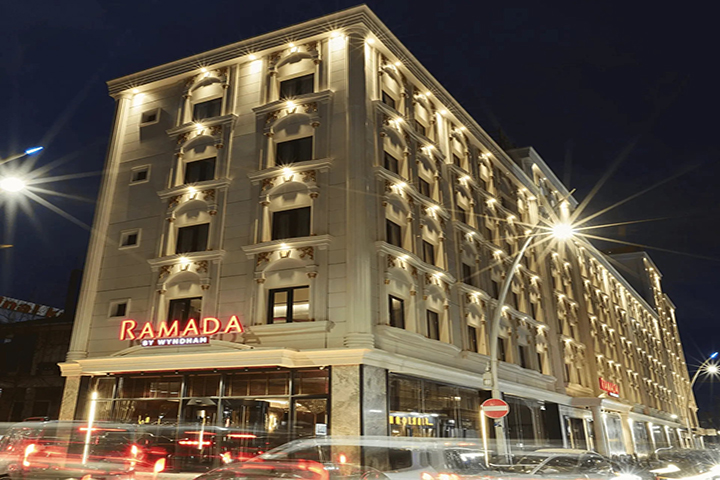
Ramada by Wyndham Istanbul Umraniye

Nestled at the heart of Istanbul's bustling business hubs, shopping centers, and top-tier hospitals, Ramada by Wyndham Ümraniye offers its guests a seamless blend of comfort and convenience in the city's vibrant core. Bringing the renowned Ramada style and privileges to Ümraniye, this exceptional hotel redefines urban accommodation.

Set in one of the world's most talked-about cities, Ramada by Wyndham Ümraniye provides an extraordinary stay experience. Boasting 85 thoughtfully designed rooms, the hotel is ideal for both business trips and leisure stays. Combining contemporary design elements with traditional and local touches, each room creates a warm and inviting atmosphere.

This comfort is further elevated by cutting-edge technology and top-notch services, ensuring that every guest enjoys a truly memorable stay.

All-on-6 uses six implants per jaw instead of four, including two posterior implants that support the molar region. This distributes chewing forces more evenly and reduces the cantilever length of the prosthesis. All-on-6 is generally preferred for patients with adequate posterior bone, higher occlusal loads or longer arches, while All-on-4 remains a strong option when posterior bone is severely resorbed.

All-on-6 Pricing Overview

Mapa Health offers a fixed package price for full-mouth All-on-6 - covering both jaws, sinus lifts where required, premium implants, zirconia prosthesis, hotel and transfers. There are no separate per-tooth or per-implant charges on the operating day.

ComponentIncluded
12 titanium implants (6 per jaw)✓
24 zirconia crowns on screw-retained framework✓
Up to 2 sinus lifts where indicated✓
Same-day temporary fixed prosthesis✓
Hotel accommodation (both trips)✓
VIP airport transfers✓

Full-mouth All-on-6 package from £7,670 / £7,530 - exact quotation issued after CBCT review. Pricing is transparent and binding for the components listed above.

Final cost may vary based on bone augmentation needs, prosthetic material choice and additional treatments. Free written estimate within 24 hours of submitting your records.

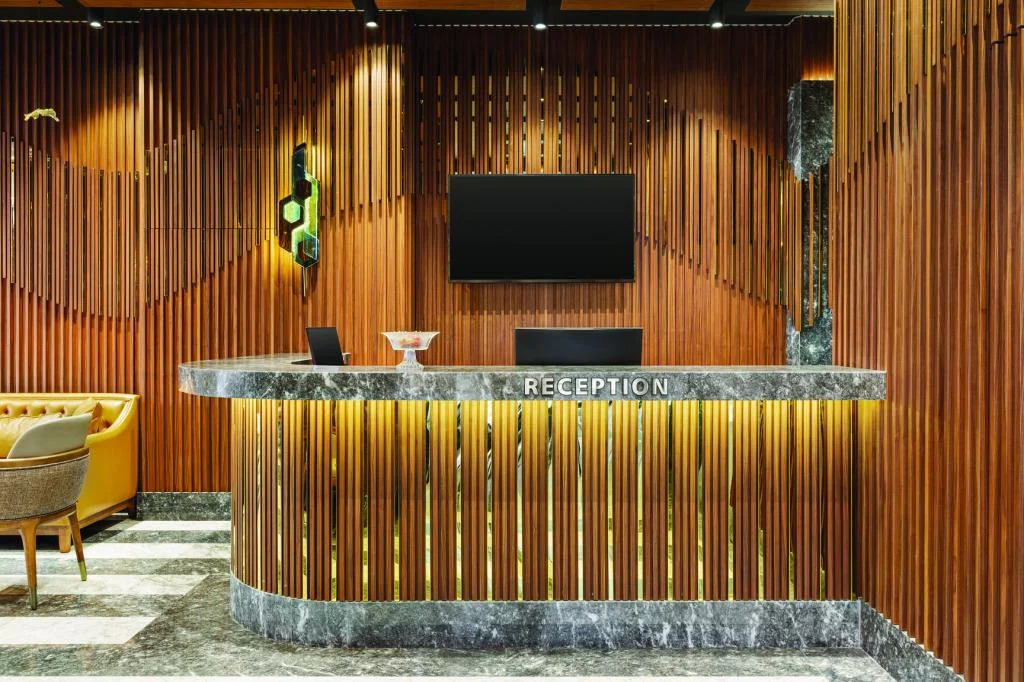
Mapa Health partner hotel in Istanbul
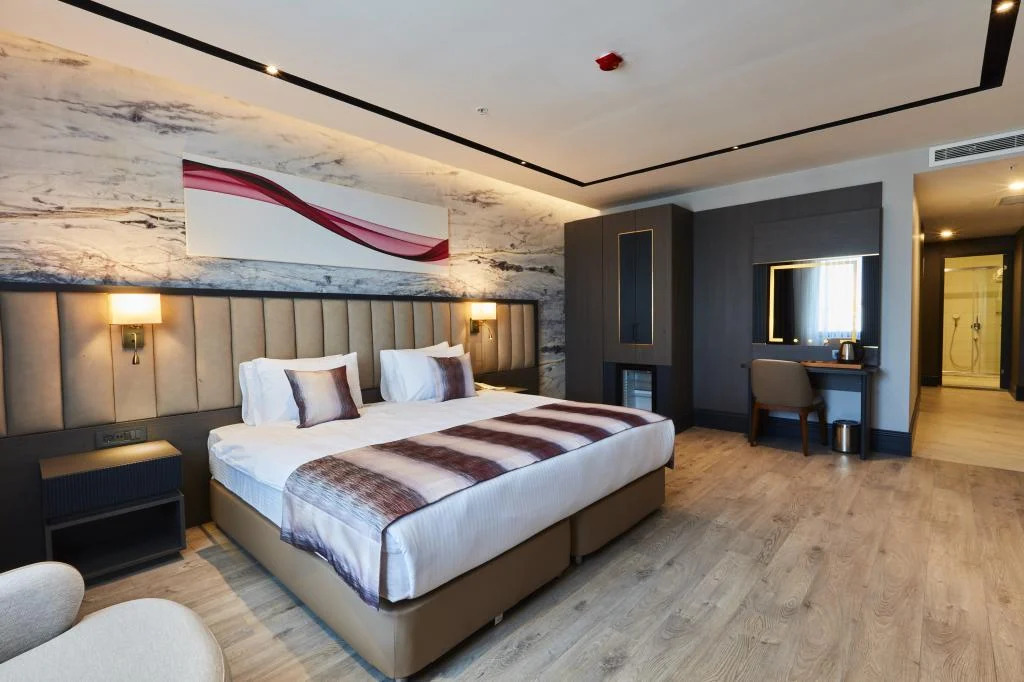
VIP hotel room for medical tourists in Istanbul

Consult a Doctor

Have questions? Our experts are here to help. Contact us now!

All-on-6: the most common questions

What is All-on-6?

All-on-6 is a fixed bridge for one whole jaw that is screwed onto 6 implants. It is planned when most or all teeth in a jaw are missing or cannot be saved. The patient cannot remove the bridge. On the first trip you receive a fixed temporary bridge, on the second trip the final bridge. The treatment needs two trips to Istanbul.

How many trips and days do I need for All-on-6 in Turkey?

Two trips. The first takes about 3 days: examination with 3D X-ray, placement of the implants with a fixed temporary bridge, check-up. Then the implants heal for 3 to 6 months. The second trip takes about 5 days: healing check, digital scan, try-in and fitting of the final bridge, bite check. These are typical timings; the treating dentist sets the exact plan.

All-on-4 or All-on-6: which is better?

Neither solution is better in general. All-on-4 uses four implants per jaw and is often possible with less bone, because the rear implants are placed at an angle. All-on-6 uses six implants, spreads the load over more points and needs more bone. More implants are not automatically better. The dentist decides after the 3D X-ray.

How much does All-on-6 cost in Turkey?

The All-on-6 package from Mapa Health starts at £7,670 for both jaws. The total price depends on the number of jaws, the implant system, the bridge material and any bone grafting. The package includes examinations with 3D tomography, local anaesthesia, medication, transfers and hotel with breakfast during treatment. Flights are not included, and there are two trips. The binding price is stated in the written treatment plan you receive before booking.

Do I go home without teeth after the first trip?

No. On the first trip a fixed temporary bridge is attached to the implants, so you leave with teeth. The temporary bridge is meant for the healing period. You eat soft food at first and avoid hard and sticky food until the final bridge is fitted on the second trip.

How long does All-on-6 last?

With good care and regular check-ups the implants often last decades. The bridge may need repair or replacement sooner, depending on the material and the load. The main risks are inflammation around the implants, smoking and missed check-ups. Nobody can seriously promise a fixed lifespan.

Which implant brands are used?

Mapa Health coordinates treatments with implant systems from Straumann and Nobel Biocare, among others. The brand and model are named in the written treatment plan. After placement you receive an implant passport with the exact details. Keep it: any dentist can use it later to order matching parts.

Who is a dental implant not suitable for?

No implant is placed while gum disease is untreated. Smoking clearly increases the risk that the implant does not heal in. Poorly controlled diabetes and some medications, for example for osteoporosis, need to be discussed beforehand. If there is too little bone, bone grafting is needed first. The dentist at the partner clinic decides after the 3D X-ray and the examination.

Can an implant fail?

Yes. In a small share of cases the implant does not fuse with the bone. Smoking, untreated gum disease and poorly controlled diabetes increase the risk. An implant that has not healed in is removed and, after healing, usually placed again. Ask before booking what the clinic's written terms say about this case.

What happens if something breaks after I return home?

Contact Mapa Health first and send photos so that the partner clinic can assess the case. Written commitments on material and workmanship are given by the treating partner clinic, not by Mapa Health; you receive the terms in writing before treatment. A replacement usually requires another trip to Istanbul, and travel costs are usually not included. For acute problems such as pain, see a dentist at home.

Who carries out the treatment: Mapa Health or the partner clinic?

The dentist at the partner clinic carries out the treatment, not Mapa Health. Mapa Health is a patient coordinator licensed by the Turkish Ministry of Health (licence AK-0456) and not a dental clinic. Mapa Health prepares the written plan and organises transfer, hotel, appointments and support in your language. Diagnosis, choice of material and treatment are the responsibility of the dentist who examines you.

Would you like to know what makes sense for your teeth? Send photos and, if available, a panoramic X-ray to Mapa Health for a no-obligation assessment.

What your journey feels like

Day by day with All-on-Six in Istanbul

2 trips. 8 days in Istanbul in total. 3 to 6 months of healing in between. Typical timings for guidance. The treating dentist at the partner clinic sets the exact plan after an X-ray and examination.

DAY 1

Arrival & 3D diagnostics

  • Day 1
    Arrival & hotel

    Mapa driver picks you up. Hotel check-in at the 5-star hotel near the clinic.

  • Day 1
    Pre-op assessment & 3D CBCT

    Bone density analysis, bite impression, sinus assessment, treatment planning. Implant brand and definitive bridge material are confirmed.

DAY 2

Implant surgery & immediate provisional

  • 08:30
    Surgery preparation

    Anaesthesia option is finalised: general anaesthesia, intravenous sedation, or local anaesthesia. General anaesthesia is often preferred for full-arch six-implant cases, particularly when sinus lift is planned.

  • 09:30
    Placement of the 6 implants

    Typically 2 to 2.5 hours per jaw. Two anterior, two mid-arch and two posterior implants are placed; the distal pair is usually tilted to engage the molar region and shorten prosthesis cantilever. A sinus lift is performed in the same session in the upper jaw when residual bone beneath the maxillary sinus is below roughly 8 to 10 mm.

  • 14:00
    Immediate provisional (Same-Day Teeth)

    When primary stability and posterior bone density are adequate, a fixed provisional bridge is placed the same day and you leave the clinic with teeth. Same-day loading is more selective for All-on-Six than for four-implant designs; if criteria are not met, a removable temporary is used during healing.

  • 17:00
    Hotel - ice, rest, painkillers

    Swelling and moderate pain are expected and may be slightly more pronounced than with four-implant cases due to the additional posterior surgical sites. Ice from outside, no hot food, soft diet.

DAY 3

Check-up, flight home

  • Day 3
    Final follow-up

    Written oral hygiene instructions, treatment report, and an implant passport listing the six implants for your dentist at home. Travel clearance is issued.

DAY 3-6 months

Healing phase & 2nd trip

  • Month 1
    First healing

    Swelling has typically subsided. Oral hygiene with a soft brush, interdental aids and an antimicrobial rinse. The provisional bridge holds the bite until the second trip.

  • Months 3-4
    Osseointegration

    The six implants fuse with the jawbone. Implant stability is usually measured at follow-up; cases involving sinus lift or lower bone density may need the longer end of the 3 to 6 month window before final loading.

  • Months 4-6
    Second trip: definitive bridge

    Trip 2: 5 days in Istanbul. Day 1: Arrival, healing check. Day 2: Digital scan. Day 3: Try-in of the final bridge. Day 4: Fitting of the final bridge. Day 5: Bite check, flight home.

What if...?

"What if I panic during surgery?"

All three anaesthesia options are valid for All-on-Six: general anaesthesia, intravenous sedation, or local anaesthesia. Because a six-implant case is longer than a four-implant one and may include a sinus lift, general anaesthesia or sedation is often preferred - you typically wake up after 2 to 3 hours without consciously experiencing the surgery. Local anaesthesia with an oral sedative remains possible on request for medically fit patients.

"What if one of the 6 implants does not integrate?"

Reported implant success rates are typically in the 95 to 98 percent range. If a single implant fails to integrate, the prosthesis can usually continue to be carried by the remaining five implants while the case is replanned; a replacement implant is then placed and given 3 to 4 months to heal before reloading. If two or more implants fail, options include adding sites toward an All-on-Eight design or accepting a shorter prosthesis on fewer implants. A written implant warranty should be on file before the trip.

"Will I be able to speak normally with the provisional?"

After 2 to 5 days of adaptation most patients speak normally. In the first week speech may feel slightly "thicker" because of swelling and the bulk of the provisional. Singing, public speaking or teaching is usually sensible only from week 2.

"Travelling alone - can I manage with general anaesthesia?"

After general anaesthesia or sedation you should not navigate the city alone on the day of surgery - Mapa staff arrange the hotel transfer and a follow-up check. A companion is not required, but is recommended for the first 2 to 3 days, particularly for cases that include a sinus lift.

What you actually experience

Small observations after All-on-Six

No marketing phrases. Short, honest observations - what typically feels like after All-on-Six.

0-6 h

Under general anaesthesia, you wake up gradually - dizziness and mild nausea for 1 to 2 hours are normal.

0-6 h

Swelling and bruising in the cheek and lip area often only begin hours after surgery, and with six implant sites they may feel slightly more pronounced than with fewer implants.

0-6 h

If a sinus lift was performed in the same session, a feeling of pressure under the cheekbones and minor blood-tinged nasal discharge can occur.

0-6 h

Ice from outside (10 minutes on, 10 minutes off) noticeably reduces swelling.

0-6 h

With the immediate temporary bridge in place, you can eat soft, cool foods - no hot drinks.

6-24 h

Pain medication should be taken consistently on schedule - do not wait until pain appears.

6-24 h

Swelling and bruising often peak the morning after and can be slightly more visible across the lower face than with four-implant cases - this is expected.

6-24 h

The provisional bridge feels somewhat more substantial in the mouth in the first day or two, as it is supported by more implants.

6-24 h

After sinus lift: avoid blowing your nose, and sneeze with your mouth open to keep pressure off the surgical site.

6-24 h

Sleeping with the head elevated reduces morning swelling; sage rinse or salt water after meals supports healing.

1-7 days

Pain and swelling typically subside noticeably from day 3; nasal symptoms after sinus lift usually settle within 3 to 5 days.

1-7 days

Soft foods (soup, yogurt, purees, soft bread) are the comfort standard in the first week.

1-7 days

Bite adaptation may take 1 to 2 extra days because the broader occlusal contact area of the six-implant bridge needs time to feel natural.

1-7 days

Sport, sauna and sunbathing are paused for the first 7 to 10 days.

1-7 days

Speech feels slightly "thicker" at first - normalises within 5 to 7 days.

1-6 months

Osseointegration proceeds invisibly - you do not feel the fusion.

1-6 months

With the temporary, you can eat normally, except for very hard foods directly on the front teeth.

1-6 months

Smoking during the healing phase is documented to worsen the success rate.

1-6 months

Definitive bridge after 3 to 6 months - the change from the heavier provisional to the definitive bridge often feels "lighter" and thinner.

Observations from medical sources and physician-led aftercare - no patient quotes, no success guarantees.
ℹ Educational information - These honest answers offer general medical orientation reviewed by the Mapa Health Clinical Review Team. They do not replace personal consultation with a qualified physician.
Honestly answered

What patients often hesitate to ask

These questions rarely come up in consultations but show up far more often during late-night research. Here are the honest, hedged answers.

My dentist at home says All-on-Four is enough - why would I choose All-on-Six instead?

Both options are clinically valid and the honest answer depends on your CBCT. All-on-Four uses two tilted posterior implants to avoid the sinus and works well when posterior bone is severely resorbed. All-on-Six places two additional implants in the posterior segments, which distributes biting forces over more anchorage points and is often preferred for patients with bruxism, strong masseter musculature, longer arches, or where the posterior bone height supports it (frequently after a sinus lift in the upper jaw). All-on-Six does not "always last longer" - that claim is not well supported in the literature. What it does offer is more redundancy if one implant later fails. A second opinion using your CBCT image, ideally from an implantologist who is not selling you the procedure, is legitimate and worth the cost.

What if one of the 6 implants fails to integrate - do I lose the whole bridge?

No, and this is the main structural advantage over All-on-Four. If one of the six implants fails to integrate (typically detected in the first 3 to 6 months), the existing bridge can in most cases continue to function on the remaining 5 implants while the failed site heals for 3 to 4 months. A replacement implant is then placed and re-integrated into the prosthesis. If two or more implants fail - which is uncommon - realistic options are: placing additional implants (sometimes called All-on-Eight when total count reaches that), a shortened-arch design with cantilevers, or returning to individual implants in healed regions. There is no such thing as "converting to All-on-Five" as a planned design - five implants is simply the temporary state while one site heals. Before travel, ask in writing: who pays for the replacement implant, the explant procedure, and any bridge modification in years 1 and 2.

What if I panic during surgery - but general anaesthesia is also a risk?

Both concerns are legitimate. General anaesthesia carries its own cardiopulmonary and nausea risks and is rarely necessary for All-on-Six. IV sedation (conscious sedation) is the middle path used by most experienced All-on-Six teams - you are awake but deeply relaxed, you respond to instructions, and many patients remember little of the procedure. Local anaesthesia alone is sufficient for some patients with good pain tolerance, though All-on-Six can take 2 to 3 hours per jaw, which is long to sit through fully alert. Honest pre-operative counselling should walk you through all three options with their specific risks, and the anaesthetist (not just the surgeon) should be named in your treatment plan.

My acquaintance had All-on-Six in Turkey and the bite never felt right - how do I prevent that?

A poorly fitting All-on-Six restoration usually traces to one of three causes: imprecise bite registration (no digital scan, or a scan taken while the patient is still swollen), rushing the definitive bridge before the implants have fully osseointegrated, or insufficient occlusal adjustment at delivery. What you can specifically request: a digital intraoral scan rather than a conventional impression; a healing phase of at least 3 to 4 months between surgery and the definitive bridge; documented bite-adjustment appointments on the second trip before sign-off. A clinic that pushes "Same-Day Definitive Zirconia" should be questioned - same-day teeth refers to the provisional bridge, not the final restoration.

How am I supposed to eat with the immediate provisional bridge?

The immediate provisional is a fixed acrylic bridge screwed onto the 6 implants - it does not come out and it will not lift off when you eat. The dietary restrictions exist to protect osseointegration, not because the bridge is fragile. In the first week, soft foods (soup, scrambled eggs, soft pasta, well-cooked vegetables) are appropriate. From weeks 2 to 4, gradually firmer foods are reintroduced. Hard, crusty, or sticky foods (raw nuts, crusty bread, caramel, tough steak) should be avoided for 3 to 4 months until the definitive bridge is fitted. With All-on-Six the load is distributed over more implants than All-on-Four, but the healing biology is the same - undisturbed implants integrate; disturbed implants do not.

Am I a candidate for Same-Day Teeth (immediate loading) with All-on-Six?

Not every patient is. Immediate loading requires that all 6 implants achieve adequate primary stability at placement - typically measured by insertion torque of around 35 Ncm or higher, or by ISQ values from a resonance frequency analysis. In All-on-Six this is harder to guarantee than in All-on-Four because you need primary stability in 6 sites, not 4, and posterior bone is often softer. If even one of the six does not reach the threshold, the responsible decision is delayed loading: a removable temporary for 3 to 4 months while the implants heal unloaded. A clinic that promises Same-Day Teeth without seeing your CBCT first is over-promising. Ask whether their decision will be made intra-operatively based on actual torque values.

My CBCT shows I need a sinus lift - does that change everything?

A sinus lift is common in upper-jaw All-on-Six when the residual bone height below the sinus floor is less than around 8 to 10 mm. It is a routine adjunctive procedure that adds bone graft material (often a mix of synthetic and bovine-derived granules) under the sinus membrane to allow longer posterior implants. With Mapa Health partner clinics the sinus lift is typically performed in the same surgical session as implant placement when residual height permits simultaneous placement; otherwise it is staged with 4 to 6 months of healing before implants are placed. Either approach is legitimate. What to ask: which graft material is used, whether membrane perforation insurance / re-do policy is in writing, and whether the simultaneous vs staged decision is made before or during surgery. Lower-jaw All-on-Six rarely requires sinus involvement.

What happens if I develop peri-implantitis around any of the 6 implants?

Peri-implantitis remains the leading cause of late implant loss across all full-arch designs. With All-on-Six you have 6 implant-tissue interfaces to maintain instead of 4 - more surfaces, more cleaning work. Daily care should include bridge floss (Superfloss or equivalent), a water flosser (Waterpik or similar) directed under the prosthesis, and a soft interproximal brush. Professional cleaning 3 to 4 times per year, with the bridge unscrewed and cleaned at least once a year by an implantologist who knows the prosthesis, is the standard recommendation. Early peri-implantitis (bleeding, mild bone loss) is often reversible with non-surgical decontamination. Advanced peri-implantitis with significant bone loss can mean implant loss. A reputable clinic gives you a written home-care protocol and a maintenance schedule before you fly home.

I smoke heavily - should I even consider All-on-Six?

Smoking documentedly increases implant failure risk by a factor of 2 to 3, and the effect is dose-dependent. With All-on-Six the stakes are higher in absolute terms because 6 implants must integrate simultaneously, and a single early failure can derail the whole treatment plan. Most clinics recommend stopping at least 2 weeks before surgery and abstaining for at least 8 weeks afterwards, with permanent reduction strongly encouraged. If you genuinely cannot stop, say so honestly - some clinics decline elective All-on-Six in active heavy smokers, others require a signed informed-consent acknowledging the elevated risk and modified warranty terms. Vaping and nicotine-replacement products are not risk-free; nicotine itself is a vasoconstrictor that impairs healing.

Ghost surgery - how do I make sure the surgeon on the website actually operates on me?

This concern is legitimate and has been raised repeatedly in Turkish medical tourism reporting. All-on-Six is a procedure that rewards experience - placing 6 implants with parallel angulation, managing posterior bone, and judging primary stability intra-operatively are not entry-level tasks. Concrete steps: before travel, request the name and Türk Tabipler Birliği (Turkish Medical Chamber) license number of your lead implantologist; verify the license is current on the chamber registry; meet the lead clinician in person - not just an assistant or coordinator - before the day of surgery; require that the operative report names the lead surgeon. If a facilitator avoids naming the surgeon, names them only on the surgery day, or routes you to a different surgeon than promised, treat this as a red flag and consider postponing.

What kind of guarantee can I realistically expect on All-on-Six?

A satisfaction guarantee on aesthetics or "how the bite feels" is not honestly enforceable and no serious clinic will give one. What you should receive in writing: implant manufacturer warranty (Straumann, Nobel Biocare, and most premium brands offer lifetime fixture warranties covering material defect - they replace the fixture, not the surgery to place it); clinic treatment guarantee covering implant loss in years 1 to 5 with defined terms (who pays for the replacement implant, the explant, the bridge modification, and any travel); bridge material and workmanship warranty of typically 1 to 5 years on zirconia, less on acrylic-hybrid materials; the conditions that void the warranty (smoking, missed maintenance, untreated bruxism). "written aftercare terms" as a marketing line in a brochure is rarely enforceable across borders. Read what is actually written, not what is said.

Why is All-on-Six in Turkey so much cheaper - what is being cut?

The price gap is largely structural rather than a quality compromise. Personnel costs, clinic overhead, and lab fees in Istanbul are well below Western European levels, while premium implant fixtures (Straumann, Nobel Biocare, Astra) are supplied to Turkish clinics at the same manufacturer specifications as anywhere else. For comparison, All-on-Six in Western Europe typically runs around £15,480 to £25,800 per jaw or £30,100 to £47,300 for both jaws; Turkish package prices for the same brands sit substantially below that. What deserves scrutiny in any quote: which implant brand and model (premium vs mid-tier vs unbranded); whether the definitive bridge is monolithic zirconia, layered zirconia, or a cheaper acrylic-hybrid; whether the price includes the second trip, the abutments, and the temporary; what the warranty actually covers. Quotes well under roughly £3,440 per jaw for full All-on-Six should be questioned - they are usually below the cost of premium fixtures plus a properly fabricated zirconia bridge.

If something goes wrong with my Turkish All-on-Six, will my dentist at home help me?

Cross-border continuity of care is a real practical issue, more so with All-on-Six than with single implants because of the complexity and the proprietary components involved. Most home-country dentists will see you for acute symptoms - pain, swelling, an obviously loose bridge - and will treat the urgent issue. Comprehensive correction of a faulty All-on-Six restoration at home is technically possible but often costs more than the original treatment, and some implantologists will decline to take over another team's prosthesis, particularly if the implant brand or abutment system is not one they regularly stock. Speak with a home-country implantologist before you book travel. Insist that the Turkish clinic send you home with: a complete treatment report, implant passports listing manufacturer / model / lot / position for each of the 6 implants, pre- and post-operative CBCT files, the abutment torque specifications, and the bridge material data sheet. These documents are what makes you treatable elsewhere.

These answers are for orientation and do not replace dental advice. Reviewed by the Mapa Health Clinical Review Team - as of .
Medically reviewed by Mapa Health Clinical Team
Last reviewed:
Dentistry ADA / FDI sources Turkish Ministry of Health
Content is reviewed against medical sources, partner-facility information and current treatment protocols. Individual suitability, risks and outcomes can vary.
Sources consulted: ADA · FDI · NIDCR · CDC Oral Health

PUBLIC PATIENT FEEDBACK

Independent Review Profiles

Before choosing a coordinator, compare public patient feedback from more than one source. We link to the original profiles so you can read the full context directly.

Google Business Profile

Open the public Google profile to see recent feedback, photos and location context from patients and visitors.

Open Google profile

Trustpilot Profile

Check the Trustpilot profile for longer written comments and patterns across treatment categories.

Open Trustpilot profile

What to check

  • Clarity before booking
  • Clinic and coordinator communication
  • Transfer, hotel and follow-up details

We do not publish copied third-party review text here. Always read the original profile before making a decision.

Request via WhatsApp
&

Request your free treatment plan and pricing information

Get personalized treatment plans and expert consultation - we are here to help

Medical Treatments

Comprehensive care for your health journey

Achieve Your Dream

Smile in 3 Easy Steps!

Transform your smile effortlessly! Follow these three simple steps to achieve the perfect dental care you’ve always wanted.

World-Class and Affordable Health Care in Turkey

Experience premium-quality medical treatments at a fraction of the cost compared to Europe. At Mapa Health, we partner with top-rated hospitals and highly experienced doctors to provide exceptional care that meets and exceeds European standards.

From your initial consultation to your safe return home, our dedicated team ensures a seamless experience at every stage of your journey. We are committed to making you feel comfortable, supported, and cared for, just like at home.
  • Combine your treatment with a memorable vacation by exploring Turkey’s rich culture and stunning sights.
  • Benefit from fast and efficient medical care with no waiting times.
  • Access cutting-edge medical technologies and state-of-the-art facilities.
  • Receive world-class treatments at significantly lower costs.
Mapa Health medical tourism services

EXCLUSIVE

Our services

Medical planning checkpoints

Use this section to evaluate All-on-6 Turkey: Cost, Process and Two Trips as a medical-travel decision, not only as a price comparison. The right plan depends on diagnosis, eligibility, medical records, realistic expectations, aftercare access and the written offer issued before travel.

Confirm eligibility first

Suitability should be checked before any booking. Share recent tests, medication lists, allergies, previous operations and relevant photographs or scans. The treating physician or clinic must confirm whether All-on-6 Turkey: Cost, Process and Two Trips is appropriate and whether another option would be safer.

Compare the alternatives

Ask what would happen if you choose local care, postpone treatment, use a less invasive option or select another procedure in the same specialty. A good consultation explains why the proposed route fits your diagnosis and why excluded alternatives are less suitable.

Read the written offer

The price should be read together with inclusions, exclusions, currency, provider details, hotel nights, transfers, diagnostics, medicines, revisions and follow-up route. £7,670 is a starting figure; the final quote depends on assessment and availability.

Plan recovery realistically

Travel planning should include downtime, flight timing, activity restrictions, wound or eye care, diet changes, remote follow-up and warning signs. Do not plan important work, sport or long travel until the recovery window is clear.

Check provider responsibility

Mapa Health coordinates the journey, but the treating provider makes medical decisions. Before travel, confirm the facility, physician role, consent form, emergency contact, aftercare terms and how records will be shared after returning home.

Keep evidence and questions

Save the written plan, consent forms, device or implant details where relevant, invoices and aftercare instructions. Bring questions about risks, expected limits, pain control, complications, alternatives and what is not included in the package.

Before confirming travel, check:

  • written diagnosis or indication
  • provider and physician details
  • clear inclusions and exclusions
  • recovery and flight timing
  • aftercare and emergency route
  • final quote after medical assessment

This page is educational. Personal medical advice can only be given after clinical review by the responsible healthcare professional.

Compare this treatment option

Before choosing, compare this option with local treatment, non-surgical care where relevant, and alternative procedures in the same category. The right choice depends on diagnosis, eligibility, risks, recovery time and the written aftercare plan.