How much does Refractive Lens Exchange (RLE cost in Turkey in 2026?
Through Mapa Health it starts from £2,700. The final price depends on the method (PRK, Femto-LASIK, SMILE, ICL or lens) and your eye examination; the written offer names the clinic, the doctor and every service before you book.
What does the all-inclusive package include?
Packages usually include the consultation and tests, the treatment, hotel nights and transfers between the airport, hotel and clinic, and the check-ups in Istanbul. Flights are not included; the exact content is listed in the written offer.
How long do I need to stay in Istanbul?
Stay: 4 days in Istanbul. Recovery: 3-7 days functional vision, 4 weeks no sport. Your doctor confirms when you can fly home.
Which clinic in Istanbul performs the treatment?
Treatment is carried out by specialist doctors at contracted health institutions in Istanbul. Mapa Health is a patient coordinator licensed by the Turkish Ministry of Health (AK-0456), not a clinic; the current list is on the page Our contracted institutions.
Transparency note: Mapa Health is a patient coordinator licensed by the Turkish Ministry of Health (licence AK-0456). Treatment is carried out by the partner clinics and hospitals. This page is for information, has a commercial background and does not replace an examination by an eye doctor.
Trifocal lenses, often referred to as "smart lenses," represent a significant advancement in vision correction and cataract surgery. These lenses are specifically designed to provide clear vision at three focal points: near, intermediate, and far distances, eliminating the need for glasses or contact lenses for most daily activities. This makes trifocal lenses a versatile and life-changing option for patients suffering from vision impairments.
Trifocal lenses are a type of intraocular lens (IOL) used during cataract surgery. Unlike traditional monofocal lenses that correct vision at only one distance, or multifocal lenses that focus on near and far distances but struggle with intermediate vision, trifocal lenses address all three focal points seamlessly. This makes them ideal for tasks such as reading, using digital devices, driving, and even engaging in recreational activities.
Why Are Trifocal Lenses Considered Revolutionary?
Trifocal lenses have been widely adopted over the past 3-4 years due to their ability to address the limitations of earlier lens types. Multifocal lenses, for instance, often left patients struggling with intermediate distances, such as viewing a computer screen or dashboard. Trifocal lenses solve this issue by incorporating an additional focal point, ensuring patients experience a smooth transition between all distances. This innovation has significantly improved the quality of life for millions of patients worldwide.
Who Are Ideal Candidates for Trifocal Lenses?
Cataract Patients: Patients with cataracts, where the natural lens becomes cloudy, can greatly benefit from trifocal lenses as a replacement.
Presbyopia Patients: Those experiencing age-related near-vision decline are excellent candidates.
Patients Ineligible for Laser Surgery: Trifocal lenses offer an alternative for individuals who are not suitable for LASIK or other refractive surgeries.
The Procedure
The trifocal lens implantation procedure is quick and minimally invasive, typically taking about 10 minutes per eye. It involves the removal of the eye’s natural lens, which is replaced with the trifocal lens. The surgery is performed under local anesthesia, ensuring a pain-free experience for the patient. Recovery is fast, and most patients notice significant improvements in their vision within a few days. However, it is recommended to avoid strenuous activities for up to 20 days post-surgery.
Benefits of Trifocal Lenses
Clear vision at near, intermediate, and far distances.
Reduced dependence on glasses or contact lenses.
Improved quality of life through seamless vision correction.
Permanent solution with lenses designed to last a lifetime.
Suitable for a wide range of patients with refractive errors or cataracts.
Post-Surgery Care
After the procedure, patients receive comprehensive aftercare instructions to ensure optimal recovery. Follow-up appointments are scheduled to monitor healing and ensure the lenses are functioning as expected. Trifocal lenses are designed to remain effective for life, providing patients with long-term satisfaction and improved vision.
In conclusion, trifocal lenses are a groundbreaking solution for individuals seeking to restore their vision and eliminate the inconvenience of glasses or contact lenses. Whether you’re dealing with cataracts or age-related vision loss, trifocal lenses offer a safe, effective, and permanent solution for achieving a clear and comfortable view of the world.
What Are Trifocal Lenses Used For?
Trifocal lenses provide excellent vision at near, intermediate, and far distances. These lenses are particularly suitable for patients with cataracts. Additionally, patients who are not eligible for laser eye surgery can also benefit from this treatment. The procedure takes a maximum of 10 minutes per eye and is completely pain-free. During the surgery, the patient’s natural biological lens is removed and replaced with trifocal lenses. After the operation, patients can resume their normal lives. However, it is recommended to avoid heavy physical activities for up to 20 days. Trifocal lenses remain in the eye permanently and can successfully address both near and far vision problems in all eligible patients.
Trifocal Lenses We Use
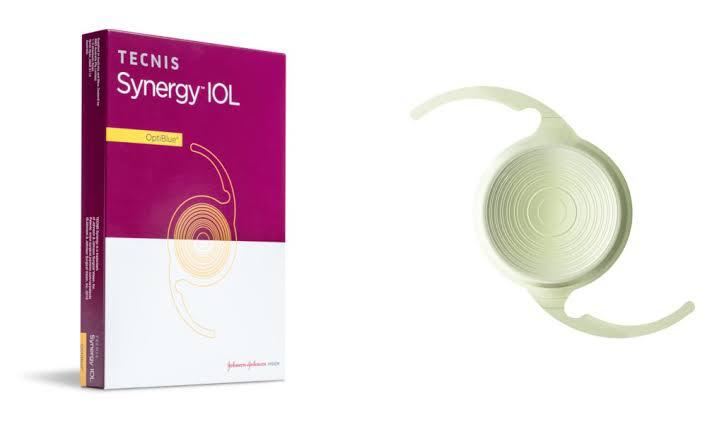
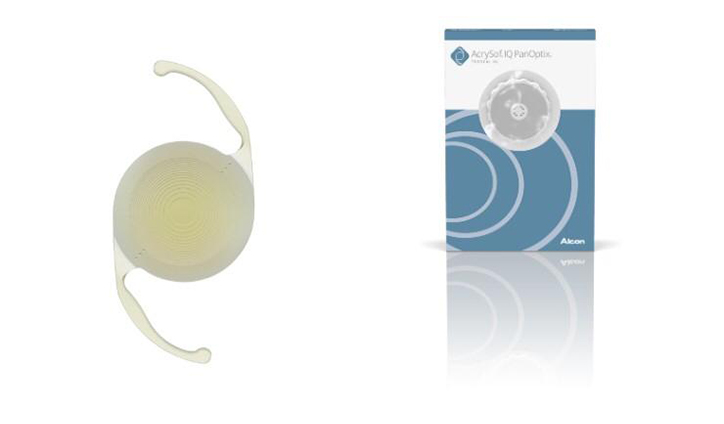
In our cataract treatment method, we use premium trifocal lenses from the following trusted manufacturers:
Mapa Health is a patient coordinator licensed by the Turkish Ministry of Health (licence AK-0456) and does not perform treatment itself. Eye treatments are carried out by ophthalmologists at contracted health institutions in Istanbul that are authorised for international health tourism.
Your written treatment plan names the institution and the ophthalmologist before you travel, together with the method and the laser platform or lens model. The current list is on the page Our contracted institutions.
Questions worth asking before you book
Which ophthalmologist examines you and performs the procedure?
Which pre-operative measurements (corneal topography, corneal thickness, biometry) are included?
Which laser platform or which lens brand and model will be used, and which follow-up checks are included?
Accommodation during your treatment
Your coordinator books your hotel as part of your package. The description below is an example of the accommodation we use in Istanbul; the exact hotel and room type are confirmed in writing before you travel.
This modern hotel, located in a sleek tower, is 4 km from the Dolmabahçe Palace and 9 km from the iconic Hagia Sophia.
The warmly designed rooms feature WiFi, flat-screen TVs, and minibars. Premium rooms include tea and coffee makers, while suites offer sitting areas or separate living rooms, with many featuring jacuzzi tubs. Luxury suites include saunas and dining areas. Some rooms provide access to exclusive lounges with complimentary drinks, snacks, and evening hors d'oeuvres. Room service is available 24/7.
Breakfast and parking are complimentary. The hotel boasts a luxurious restaurant and a chic rooftop bar. Additional amenities include an indoor swimming pool, a fitness center, a juice bar, and a spa.
Lens Replacement Surgery Cost
All-Inclusive Package Price
£2,700
Additional charges may apply if Toric lenses are required.
Both eyes treatment
Johnson & Johnson brand lenses
Alcon brand lenses
Laboratory costs, medications, and equipment
Pre- and post-operative examinations
4-night stay at a 5-star hotel in Istanbul
Free accommodation for the accompanying person
VIP all-inclusive transfer service
No advance payment required
All transfers, medications, and follow-up examinations included
In refractive lens exchange (RLE, also called trifocal lens surgery) the natural lens is fully removed and replaced by an artificial intraocular lens - similar to cataract surgery. With ICL surgery the natural lens stays in place and an additional lens is implanted behind the iris. Lens exchange is permanent and not reversible, but it also corrects age-related reading difficulty (presbyopia) and prevents future cataracts. ICL is reversible, but if a cataract later develops a lens exchange has to be performed anyway.
3 to 4 days in Istanbul are typical. Day 1: pre-op assessment with biometry, corneal topography, endothelial cell count and lens calculation. Day 2: surgery on the first eye (about 10 to 15 minutes per eye). Day 3: check-up of the first eye and surgery on the second eye. Day 4: final check-up and travel clearance. Some clinics schedule the second surgery only after 1 week.
In most cases a return flight is possible 1 to 2 days after the final check-up. Cabin pressure changes are not a danger to the intraocular lens, but dry cabin air can be irritating - lubricating drops are important. Final travel clearance is given by the surgeon after the last check-up.
Most patients notice a clear improvement in vision the day after surgery and can resume light screen work. With trifocal lenses the brain may need 4 to 8 weeks to fully adapt to the three focal points - temporary halos or a mild "glassy" feeling can occur. Strenuous physical activity should be avoided for 2 to 3 weeks.
It depends on your lifestyle and visual priorities. Monofocal lenses provide sharp vision at one distance (usually far), reading glasses are still needed. Multifocal and trifocal lenses additionally offer intermediate and near vision without glasses - the trade-off is a higher chance of halos and reflections, especially at night. EDOF lenses (Extended Depth of Focus) offer a compromise: sharp distance and usable intermediate vision with fewer halos. Anyone who drives a lot at night should be cautious with classic multifocal lenses. The decision is made together with the surgeon during the pre-op assessment.
For lens exchange, most clinics operate the eyes 1 to 7 days apart in order to observe the healing of the first eye and adjust the second lens power if necessary. Same-Day Bilateral is possible but less common with lens exchange than with laser procedures. The approach is discussed individually during the consultation.
Intraocular lenses are designed to last a lifetime and do not need to be exchanged. The materials (acrylate, silicone) do not age in the eye. In rare cases a so-called posterior capsule opacification can develop on the lens capsule - this is removed painlessly with a 5-minute YAG laser treatment and is a routine procedure, not a complication.
Yes, in many cases lens exchange is especially worthwhile from middle age onwards. If you also have early lens clouding, a refractive cataract operation can improve vision and remove the need for a later cataract operation in one step. The requirements are a healthy retina and no advanced macular degeneration - these are checked during the pre-op assessment.
The procedure itself is pain-free thanks to topical anaesthesia. During the 10 to 15 minutes per eye, patients feel pressure, see lights and hear the ultrasound device of the phacoemulsification, but no pain. In the first hours after surgery, a mild gritty feeling, watering or light sensitivity can occur - these typically subside within the first day.
In Western European countries trifocal lens surgery is typically billed at £2,580 to £4,730 per eye - your home insurance only covers the cost of standard cataract surgery. In Istanbul, trifocal lens packages (pre-op assessment, premium lens, surgery, hotel, transfer, follow-up) are offered at significantly lower prices. The lenses themselves (Johnson & Johnson Tecnis Synergy, Alcon PanOptix, Zeiss AT LISA tri) are delivered to the same global standard. What matters is a written breakdown: which lens, which pre-op tests, what follow-up, and what happens with residual refractive error or YAG capsule treatment.
Lens Replacement Surgery: A Life-Changing Solution for Clear Vision
Lens replacement surgery, also known as refractive lens exchange (RLE), is a groundbreaking procedure designed to address various vision problems such as cataracts, presbyopia, and severe refractive errors. This procedure involves replacing the eye’s natural lens with a premium intraocular lens (IOL), tailored to the patient’s specific needs. The result is clear vision at all distances, often eliminating the need for glasses or contact lenses.
This advanced procedure is suitable for individuals who may not qualify for laser eye surgery or for those seeking a permanent solution to age-related vision problems. The technology behind lens replacement surgery is thoroughly tested and trusted, ensuring a commonly used when medically suitable outcome for patients worldwide.
The process includes the use of state-of-the-art equipment such as femtosecond lasers for precise incisions and premium trifocal or multifocal lenses for superior vision correction. By addressing each patient’s unique anatomy and visual needs, lens replacement surgery provides not just improved vision but a transformative improvement in quality of life.
Frequently Asked Questions: Pre-Surgery
Who is a good candidate for lens replacement surgery?
Ideal candidates are individuals with cataracts, presbyopia, or severe refractive errors. It’s also a great option for those who are not suitable for LASIK or other laser vision correction procedures.
What types of lenses are used in the procedure?
We use premium lenses such as trifocal and multifocal lenses, tailored to provide clear vision at near, intermediate, and far distances.
Is the procedure painful?
No, the surgery is performed under local anesthesia, ensuring a pain-free experience for the patient.
How long does the procedure take?
The procedure typically takes about 10-15 minutes per eye.
Do I need to prepare for the surgery?
Yes, a comprehensive eye examination will be conducted, and patients may be advised to stop wearing contact lenses a few days before the surgery.
Frequently Asked Questions: Post-Surgery
What can I expect immediately after the surgery?
Most patients experience improved vision within 24-48 hours. You may notice some blurriness initially, but this clears as the eyes heal.
Are there any restrictions after the surgery?
Patients are advised to avoid heavy lifting, strenuous activities, and rubbing their eyes for at least two weeks post-surgery.
When can I return to work?
Many patients can resume work within a few days, depending on their job requirements and the speed of their recovery.
Are follow-up appointments necessary?
Yes, follow-up appointments are crucial to monitor healing and ensure the lenses are functioning as expected.
How long do the lenses last?
The implanted lenses are designed to last a lifetime and do not require replacement under normal circumstances.
In Conclusion
Lens replacement surgery is a safe, effective, and permanent solution for individuals looking to restore their vision and improve their quality of life. Whether you’re dealing with cataracts or seeking a long-term alternative to glasses or contact lenses, this procedure offers unmatched clarity and convenience. Contact us today to learn more or to schedule your personalized consultation.
Consult a Doctor
Have questions? Our experts are here to help. Contact us now!
Lens replacement or ICL?
This is the main guide for lens replacement Turkey and trifocal lens replacement. For implantable collamer lens searches such as ICL Turkey, use ICL lens implant Turkey. For pricing, use ICL Turkey cost.
A typical schedule for international patients - rounded times, based on real clinic organisation. With lens replacement both eyes are typically completed within 3 to 4 days. Your individual journey may shift depending on lens choice and healing.
DAY 1
Arrival & pre-op assessment with lens choice
08:30
Landing in Istanbul
Mapa driver in arrivals with a "Mapa Health" sign.
11:00
Hotel check-in
5-star partner hotel in Levent or Maslak district.
14:00
Clinic: lens calculation
Biometry (IOL Master), corneal topography, endothelial cell count, pupillometry. Followed by a consultation about monofocal, trifocal or EDOF lenses - what suits your lifestyle.
17:00
Quiet evening
Preparatory drops are provided. No eye make-up from today.
DAY 2
Surgery on the first eye
09:00
Transfer to the clinic
Light breakfast, comfortable clothes. Companion can come along.
10:00
Lens replacement, eye 1
Topical anaesthesia, small incision, phacoemulsification of the natural lens, insertion of the premium intraocular lens. 10 to 15 minutes - pressure and ultrasound sounds, no pain.
11:30
Recovery room & pressure check
Intraocular pressure is measured, lens position is checked. Vision is blurry - that is expected.
14:00
Hotel - sleep, drops
Sleep helps. Drop schedule hourly on the first day. Protective glasses while sleeping.
DAY 3
Follow-up & surgery on the second eye
09:00
Check on eye 1
Vision test, lens position, pressure measurement. If everything is on track the second eye is operated the same day.
10:30
Lens replacement, eye 2
Identical course as Day 2. Some clinics prefer a 1-week gap - then the stay is extended.
13:00
Recovery at the hotel
Both eyes need to settle in parallel. No screens.
DAY 4
Final follow-up & trip home
09:00
Mandatory follow-up
Vision test for both eyes, slit lamp, intraocular pressure. Written drop schedule, surgical report and travel clearance.
11:00
Hotel check-out
Vision is usually noticeably clearer - many patients are surprised. Sunglasses on for outdoors.
14:00
Airport transfer
Lubricating drops in your hand luggage.
16:30+
Flight home
First follow-up with your eye clinic at home after 1 week, then after 1 and 3 months.
M
Mapa Health · Patient coordination
Example - typical exchange
via WhatsApp
"Hello, one hour before landing. Your driver is waiting in arrivals. Your lens options (PanOptix, Tecnis Synergy, AT LISA tri) will be discussed tomorrow with the surgeon, depending on the pre-op result. - your coordinator"
Coordinator response time: typically under 10 minutes · reachable 24/7
What if...?
The most common quiet worries before lens surgery - short and honest.
"Is my natural lens really removed?"
Yes, this is the difference compared to the ICL procedure. The clouded or age-related insufficient natural lens is removed with ultrasound and replaced by an artificial premium lens. Technically this procedure matches a modern cataract operation.
"Will I see halos with trifocal lenses?"
Halos around light sources, especially at night, are more common with trifocal lenses than with monofocal lenses. In most patients the brain adapts within 4 to 8 weeks and barely notices them. In a small group, halos remain noticeable long-term - those who drive a lot at night should discuss EDOF lenses or monofocal as an alternative.
"What if I am unhappy after surgery? Lenses are permanent."
An intraocular lens can in theory be exchanged - but that is a second procedure with its own risks and not the standard solution. More important is choosing the right lens for your lifestyle before surgery. Residual refractive errors of 0.5 to 1.0 diopters can be corrected with glasses or a small laser touch-up.
"I am travelling alone - what if something is unclear after surgery?"
Mapa staff arrange arrival and return. WhatsApp hotline around the clock during your stay. If you have concerns you can come to the clinic without an appointment or speak with the surgeon by video call.
What you actually experience
Small observations after lens implantation
No marketing phrases. Short, honest observations - what typically feels like during the first hours, days and weeks after lens exchange. Individual experiences may vary.
0-6 h
After lens exchange, vision often appears milky or slightly "yellowish" - this is expected and passes.
0-6 h
Light sensitivity, watery eyes and a gritty sensation are part of the first hours.
0-6 h
Patients describe seeing as "clear, but not yet adjusted" - the brain needs time for the new lens.
0-6 h
The lens itself is not noticeable; the pressure sensation in the first hours comes from the healing process.
6-24 h
Sleep is the most important activity of the first day.
6-24 h
Protective goggles during sleep prevent unconscious eye rubbing.
6-24 h
On the morning after surgery, many patients see clearly - some for the first time in decades without glasses.
1-7 days
Halos around light sources in the evening are typical with trifocal lenses and usually subside noticeably.
1-7 days
Reading with trifocal lenses often works from day 2, but becomes more fluid over the course of the weeks.
1-7 days
Eye make-up and swimming are typically paused for the first 2 weeks.
1-7 days
Eyes can feel tired faster in dry, heated indoor air than usual.
1-4 weeks
With multifocal and trifocal lenses, the brain adapts to the multiple focal points over 4 to 8 weeks.
1-4 weeks
Halos when driving at night noticeably diminish for most patients within the first month.
1-4 weeks
Sport without water contact is usually possible again after about 2 weeks; pool and sauna after 3 to 4 weeks.
1-4 weeks
Intraocular pressure is measured several times during the first follow-ups - a routine precaution after intraocular surgery.
Observations from medical sources and physician-led aftercare - no patient quotes, no success guarantees. Your individual healing may vary depending on lens choice and lifestyle.
ℹ Educational information - These honest answers offer general medical orientation reviewed by the Mapa Health Clinical Review Team. They do not replace personal consultation with a qualified physician.
Honestly answered
What patients often hesitate to ask
These questions rarely come up in consultations but show up far more often during late-night research. Here are the honest, hedged answers - no marketing, no promises.
1My home country eye specialist says I should wait until I develop a cataract - who is right?
Both views can be legitimate. A home-country eye specialist often argues conservatively: as long as the natural lens is clear enough, it has advantages no artificial lens can fully replace (full accommodation in youth, biological adaptation). With beginning lens clouding or marked presbyopia the calculation shifts - refractive lens surgery can solve both problems at once and makes a later cataract surgery unnecessary. If your symptoms are concrete (glare, poor contrast, reading glasses no longer enough), a second opinion with full diagnostics is justified.
2What if I suddenly panic during surgery or move?
This worry is legitimate. You are awake, the eye is anaesthetised, a lid retainer holds the eye open - you do not have to actively keep still. The surgeon talks between steps and explains what is coming. A mild sedative is possible on request. If needed, the procedure can be paused at any time. Before booking, ask for the written plan, inclusions and exclusions, expected recovery time, possible alternatives, follow-up route and warning signs that require local care. If the question is about price, timing or results, treat the page information as guidance until the medical assessment and written quote are completed.
3Will I still be able to drive at night if I get multifocal or trifocal lenses?
This is a key question and should be discussed honestly before lens choice. Trifocal lenses produce halos and starbursts around lights in most patients during the first weeks, which can make night driving more uncomfortable. In a majority, the brain pushes this perception into the background within 4 to 8 weeks. In a small group, halos persist long-term. Anyone who drives at night professionally or works as a commercial driver should honestly consider EDOF lenses or monofocal lenses with reading glasses as a safer alternative.
4I have very high myopia (-10 D or more). Does that increase the risk of retinal detachment after surgery?
Yes, this is a documented point. Patients with high myopia have a baseline elevated risk of retinal detachment, and intraocular surgery can slightly increase this risk. A complete retinal examination before surgery is therefore mandatory - not optional. With pre-existing retinal tears or at-risk areas, prophylactic laser treatment of the retina is often recommended before lens surgery. If you have high myopia and a clinic does not clearly mention this step, that is a warning sign. Before booking, ask for the written plan, inclusions and exclusions, expected recovery time, possible alternatives, follow-up route and warning signs that require local care. If the question is about price, timing or results, treat the page information as guidance until the medical assessment and written quote are completed.
5What if the trifocal lens does not suit me and I cannot tolerate halos?
An implanted lens can in theory be exchanged - for a monofocal or EDOF lens - if the brain does not adapt sufficiently. That is a second procedure with its own risks (endothelial cell loss, infection risk) and not the standard solution. More commonly, halos are tolerated over time through neural adaptation, pupil-constricting drops or glasses for night driving. You should know before surgery: a lens exchange is possible but not trivial. Those who are uncertain are safer with monofocal. Before booking, ask for the written plan, inclusions and exclusions, expected recovery time, possible alternatives, follow-up route and warning signs that require local care. If the question is about price, timing or results, treat the page information as guidance until the medical assessment and written quote are completed.
6A permanent lens for the rest of my life - is that too big a decision?
This question deserves time and should not be answered under travel pressure. An intraocular lens lasts a lifetime but is not "irreversible" in the strictest sense - it can theoretically be exchanged. Practically, the decision is permanent. A trial with multifocal contact lenses for 2 weeks before deciding on a trifocal lens can be helpful. A reputable clinic will encourage this prior experience, not discourage it. Before booking, ask for the written plan, inclusions and exclusions, expected recovery time, possible alternatives, follow-up route and warning signs that require local care. If the question is about price, timing or results, treat the page information as guidance until the medical assessment and written quote are completed.
7What if I develop problems later - glaucoma, macular degeneration?
An implanted lens generally does not interfere with treatment of later eye diseases. Glaucoma drops continue to work normally, macular degeneration injections remain possible, retinal surgery remains feasible. The lens does not "lock" the eye. Important: existing eye conditions are documented in the pre-operative assessment and influence lens choice - for example, with beginning macular degeneration, monofocal is often recommended over multifocal, since multifocal slightly reduces contrast. Before booking, ask for the written plan, inclusions and exclusions, expected recovery time, possible alternatives, follow-up route and warning signs that require local care. If the question is about price, timing or results, treat the page information as guidance until the medical assessment and written quote are completed.
8Will my vision feel "artificial" after lens exchange?
Patients describe vision after premium intraocular lenses in different ways. With monofocal lenses it is usually "natural, but with reading glasses". With trifocal lenses it is "clear at all distances, but with occasional halos and a slight glassy effect, especially in the first weeks". Colours appear clearer because the lens is no longer cloudy. Some patients need 1 to 2 months for the new vision to feel "normal". Honest counselling should mention this adaptation phase. Before booking, ask for the written plan, inclusions and exclusions, expected recovery time, possible alternatives, follow-up route and warning signs that require local care. If the question is about price, timing or results, treat the page information as guidance until the medical assessment and written quote are completed.
9Can I have LASIK or a laser touch-up after the lens surgery?
Yes, if a residual refractive error remains after lens surgery (for example 0.5 to 1.0 D), a laser touch-up can fine-tune the vision. The prerequisites are sufficient corneal thickness and stable refraction. This so-called "bioptics" is an established procedure but should be mentioned in the cost package - those who pay extra should know that before travel. Before booking, ask for the written plan, inclusions and exclusions, expected recovery time, possible alternatives, follow-up route and warning signs that require local care. If the question is about price, timing or results, treat the page information as guidance until the medical assessment and written quote are completed.
10What if I am unhappy after surgery? Is there a guarantee?
A guarantee on a specific visual acuity or experience cannot be given honestly by anyone. What you should request in writing: conditions for a lens exchange or bioptics touch-up, number of follow-up visits, what applies for a YAG capsulotomy. "Satisfaction guarantee" as a marketing phrase is rarely legally enforceable. Focus on the treatment contract. Before booking, ask for the written plan, inclusions and exclusions, expected recovery time, possible alternatives, follow-up route and warning signs that require local care. If the question is about price, timing or results, treat the page information as guidance until the medical assessment and written quote are completed.
11Why is lens exchange in Turkey significantly cheaper - are they cutting corners on safety or lenses?
The price difference is structural. Personnel and clinic costs in Istanbul are below Western European levels, while premium lenses (Johnson & Johnson Tecnis Synergy, Alcon PanOptix, Zeiss AT LISA tri) are supplied worldwide to the same standard. What you should look at: is a premium lens included or a cheaper variant; how many pre-operative assessments are in the package; is YAG capsulotomy in the following year covered; what does a bioptics touch-up cost if needed. If an offer is significantly below the Turkish market level (for example flat-rate below £1,290 per eye including hotel with trifocal lens), be sceptical - that is often a loss-leader with older lens models.
12If the Turkish clinic makes a mistake, will my home physician help me at all?
Cross-border medical responsibility is a real question. Most home-country eye specialists will see and treat you if needed - but as a private service. A correction of a faulty lens implantation or lens exchange at home is possible but expensive, and not every surgeon accepts these patients. Speak openly with your home-country eye specialist before travel. Have the Turkish clinic provide a complete operative report (lens model, power, manufacturer, course of surgery) and all measurements in writing - these documents are your bridge between the systems.
These answers are for orientation and do not replace medical advice. Individual eligibility, risks and outcomes depend on your pre-operative assessment, medical history and the chosen treatment. Reviewed by the Mapa Health Clinical Review Team - as of .
Related Treatments
Patients who research this procedure often also consider the following options - either as alternatives or as sensible additions to the overall treatment plan:
OphthalmologyAAO / NEI sourcesTurkish Ministry of Health
Content is reviewed against medical sources, partner-facility information and current treatment protocols. Individual suitability, risks and outcomes can vary.
Lens replacement surgery (refractive lens exchange) is based on the same proven technique used in cataract surgery - one of the most frequently performed surgical procedures in the world with an established safety record spanning decades.
⚠
Temporary visual disturbances including halos and glare, especially at night (1-3 months adaptation)
⚠
Posterior capsule opacification (cloudy vision), treatable with a quick YAG laser procedure
⚠
Small risk of retinal detachment (approximately 1 in 1,000, higher in highly myopic patients)
⚠
Mild post-operative inflammation managed with prescribed eye drops
⚠
Extremely rare: infection or lens dislocation
✓ Safety information:
The procedure is performed using phacoemulsification technology with micro-incisions of 2.2 mm or less. Premium intraocular lenses (trifocal, EDOF, or toric) are selected based on comprehensive biometric measurements to optimize visual outcomes at all distances.
Recovery Timeline
First 24 hours
Avoid touching or rubbing the eye. Mild blurriness and sensitivity are normal. Wear a protective shield during sleep. Use prescribed drops.
Days 2-7
Vision improves progressively. Light activities can resume. Second eye is typically treated 3-7 days after the first. Attend follow-up appointment.
Weeks 2-4
Most patients experience significant visual improvement at all distances. Brain adaptation to multifocal lenses continues. Avoid heavy lifting and swimming.
Months 1-3
Full neuroadaptation to the new lenses is complete. Vision quality continues to improve as the brain adjusts. Final prescription glasses (if needed) can be determined.
Who Is a Good Candidate?
✔Good Candidates
Adults over 40 experiencing presbyopia (difficulty reading up close)
Patients with high refractive errors unsuitable for laser surgery
Individuals with early cataract changes who want to address both conditions simultaneously
Those seeking freedom from both distance and reading glasses
Patients with stable overall eye health confirmed by comprehensive examination
✖Not Recommended For
Young patients (under 40) without presbyopia - laser alternatives may be preferable
Severe retinal disease or macular degeneration
Uncontrolled glaucoma
Active eye infection or inflammation
Unrealistic expectations about complete spectacle independence
PUBLIC PATIENT FEEDBACK
Independent Review Profiles
Before choosing a coordinator, compare public patient feedback from more than one source. We link to the original profiles so you can read the full context directly.
Google Business Profile
★★★★★4.5· 109 Google reviews
Open the public Google profile to see recent feedback, photos and location context from patients and visitors.
Transform your vision effortlessly! Follow our three simple steps to achieve the clarity you’ve always dreamed of.
01
ONLINE CONSULTATION
During your online consultation, we’ll review your medical history and evaluate any vision concerns you may have. You’ll have the opportunity to ask questions and learn more about the available eye treatment options tailored to your needs.
02
TREATMENT PLANNING
Once we’ve reviewed your consultation details, our eye care specialists will create a personalized treatment plan. This plan will include the most suitable procedures for your condition, estimated recovery timelines, and cost details.
03
SCHEDULE SURGERY
After finalizing your treatment plan, we’ll schedule your surgery on a date that’s convenient for you. Our team will also assist with any travel arrangements, including accommodation and transfers.
World-Class and Affordable Health Care in Turkey
Experience premium-quality medical treatments at a fraction of the cost compared to Europe. Mapa Health is a patient coordinator licensed by the Turkish Ministry of Health (AK-0456): treatment is carried out by experienced doctors at contracted health institutions, named in your written plan before you travel.
From your initial consultation to your safe return home, our dedicated team ensures a seamless experience at every stage of your journey. We are committed to making you feel comfortable, supported, and cared for, just like at home.
Combine your treatment with a memorable vacation by exploring Turkey’s rich culture and stunning sights.
Benefit from fast and efficient medical care with no waiting times.
Access cutting-edge medical technologies and state-of-the-art facilities.
Receive world-class treatments at significantly lower costs.
EXCLUSIVE
Our services
Health Counseling
Our multilingual consultants are available to assist you during business hours
Accommodation Service
Affordable 5 star hotel accommodation
Transfer Service
Complimentary transfers between airport, clinic and hotel
Group Tours
Exclusive city tours and cultural experiences arranged for group visitors
State-of-the-Art Clinics
Treatments performed in modern, fully-equipped medical facilities
Global Healthcare Service
We serve patients from more than 20 countries worldwide
Medical planning checkpoints
Use this section to evaluate Lens Replacement in Turkey from £2,700 as a medical-travel decision, not only as a price comparison. The right plan depends on diagnosis, eligibility, medical records, realistic expectations, aftercare access and the written offer issued before travel.
Confirm eligibility first
Suitability should be checked before any booking. Share recent tests, medication lists, allergies, previous operations and relevant photographs or scans. The treating physician or clinic must confirm whether Lens Replacement in Turkey from £2,700 is appropriate and whether another option would be safer.
Compare the alternatives
Ask what would happen if you choose local care, postpone treatment, use a less invasive option or select another procedure in the same specialty. A good consultation explains why the proposed route fits your diagnosis and why excluded alternatives are less suitable.
Read the written offer
The price should be read together with inclusions, exclusions, currency, provider details, hotel nights, transfers, diagnostics, medicines, revisions and follow-up route. £2,700 is a starting figure; the final quote depends on assessment and availability.
Plan recovery realistically
Travel planning should include downtime, flight timing, activity restrictions, wound or eye care, diet changes, remote follow-up and warning signs. Do not plan important work, sport or long travel until the recovery window is clear.
Check provider responsibility
Mapa Health coordinates the journey, but the treating provider makes medical decisions. Before travel, confirm the facility, physician role, consent form, emergency contact, aftercare terms and how records will be shared after returning home.
Keep evidence and questions
Save the written plan, consent forms, device or implant details where relevant, invoices and aftercare instructions. Bring questions about risks, expected limits, pain control, complications, alternatives and what is not included in the package.
Before confirming travel, check:
written diagnosis or indication
provider and physician details
clear inclusions and exclusions
recovery and flight timing
aftercare and emergency route
final quote after medical assessment
This page is educational. Personal medical advice can only be given after clinical review by the responsible healthcare professional.
Additional decision criteria
Use these notes when the page is mainly about price. A medical-travel quote should be checked against clinical suitability, timing, provider responsibility and the practical limits of recovery after returning home.
Match price to the clinical plan
The quoted amount should correspond to the exact method, number of sessions or surgical steps, diagnostic tests, medicines, follow-up route and likely recovery limits. For Lens Replacement in Turkey from £2,700, £2,700 is only useful when it is linked to a written plan reviewed by the responsible provider.
Separate medical and travel costs
Ask which costs are medical and which are travel services such as hotel, transfers, translation or coordination. This makes it easier to compare local care, another Turkish provider or a different treatment route without mixing clinical decisions with convenience services.
Check what changes the quote
Final pricing may change after tests, imaging, examination, anaesthesia decision, lab work, implant or device choice, number of treated areas and medical history. A clear offer explains which findings can change the plan before payment or travel.
Confirm recovery constraints
Before confirming flights, ask about minimum stay, return-flight timing, restrictions for work and sport, wound or eye-care instructions, pain control and warning signs. Recovery planning matters because complications or delayed healing can affect travel more than the procedure day.
Plan aftercare before departure
Remote follow-up should identify who answers questions, how photos or reports are shared, when local urgent care is needed and which documents are given at discharge. Keep the care route realistic for your home country and language.
Document the decision
Save the assessment, written offer, consent form, discharge notes, medication list, invoices and contact details. If anything is unclear, ask before travel rather than relying on verbal explanations after arrival.
This section does not replace medical advice. It is a structured checklist for comparing cost-focused pages with the clinical information needed before treatment travel.
Questions to clarify before choosing this treatment
For Lens Replacement in Turkey from £2,700, the strongest decision is usually made after the patient compares medical suitability, alternatives, provider responsibility and the recovery plan in writing.
Which records are needed?
Prepare recent reports, medication lists, allergy information, prior operation notes and clear photographs or scans when relevant. The coordinator can organize the file, but the clinical team needs enough detail to decide whether the plan is realistic.
What alternatives should be compared?
Ask whether local care, a delayed plan, a less invasive option or a different procedure in Ophthalmology would give a safer or more predictable route. A useful answer explains why each alternative is included or excluded.
How is risk discussed?
The consent conversation should cover common side effects, rare complications, warning signs, anaesthesia or medication issues and what happens if the expected result is not reached. Avoid decisions based only on price or package convenience.
What happens after returning home?
Confirm who reviews photos or reports, how urgent symptoms are handled, which documents are given at discharge and when local care should be used. Aftercare needs to be practical for the patient’s home country and language.
Use the checklist above with your written offer and ask for clarification before paying, booking flights or stopping local medical follow-up.
Compare this treatment option
Before choosing, compare this option with local treatment, non-surgical care where relevant, and alternative procedures in the same category. The right choice depends on diagnosis, eligibility, risks, recovery time and the written aftercare plan.
Explore related treatment pages
Use these internal links to compare the main treatment guide, cost page and nearby alternatives before requesting a quote.
Pre-travel briefing for a safer treatment decision
Before choosing Lens Replacement in Turkey from £2,700, compare the clinical plan, written price, travel timing and aftercare pathway as one decision. A page can describe the service, but personal suitability still depends on records, examination and a clinician-led risk review.
Medical file and eligibility
Share current diagnoses, medicines, allergies, previous operations, recent tests and relevant photographs or scans. Ask which missing records could change the recommendation, whether a local examination is needed first, and who signs the final clinical approval before travel.
Price, inclusions and limits
Request a written quote that separates medical fees, hospital or clinic charges, anesthesia, laboratory work, hotel, transfers, translation support, revision policy and medicines. If the plan changes after examination, the quote should explain what can change and how consent is renewed.
Risk discussion and alternatives
Ask the clinician to compare doing nothing, delaying treatment, local care and less invasive options within Ophthalmology. The answer should describe common side effects, rare but serious complications, warning signs, realistic recovery limits and situations where the treatment should not proceed.
Aftercare after returning home
Confirm who reviews follow-up photos or reports, response times, language support, emergency instructions and the documents you receive before leaving Turkey. Good planning also identifies when local urgent care is safer than remote messaging.
Use this checklist together with independent medical sources and your own doctor. It is designed to make the decision more transparent, not to replace individualized medical advice.
Documentation and aftercare details to confirm
Ask for the expected timeline in writing: when records are reviewed, when the surgeon or specialist confirms suitability, when the in-person examination happens, and how much time is reserved between consultation, procedure and departure. For Lens Replacement in Turkey from £2,700, a rushed schedule can make it harder to reconsider consent, arrange translation, manage medication changes or respond to findings that appear only during examination.
Confirm how consent is handled in your language and what is documented before any payment becomes non-refundable. The consent process should list realistic benefits, uncertainty, alternatives in Ophthalmology, anesthesia or medication issues, implant or device details where relevant, and the plan if the clinical team advises changing or cancelling treatment after assessment.
Plan the first weeks after returning home before you travel. Check which symptoms require urgent local care, which can be reviewed remotely, how photos or test results are submitted, and whether your local doctor will receive a summary. Good medical travel planning does not end at the airport; it connects the Turkish team, the patient and local care safely.
Keep copies of the written quote, consent form, medication list, discharge note, test results, implant or device identifiers where applicable, invoice and follow-up instructions. These documents help with continuity of care, insurance questions, local medical review and future procedures. If any of these documents will not be provided, ask why before confirming travel.