Last updated:

IVF with ICSI in Turkey from £2,150

IVF with ICSI in Turkey

IVF with ICSI may be recommended when the fertilization strategy needs to be more specific, especially in certain sperm-related situations or after previous IVF outcomes. For international patients, early review of both partners' reports helps define whether ICSI is likely to be part of the recommended pathway.

At Mapa Health, we help coordinate the full treatment journey between fertility review, laboratory planning, clinic scheduling, and the practical steps around treatment in Istanbul.

ICSI is not a separate treatment outside IVF. It is a more targeted laboratory fertilization method used when the fertility team decides it is the right fit for the case.

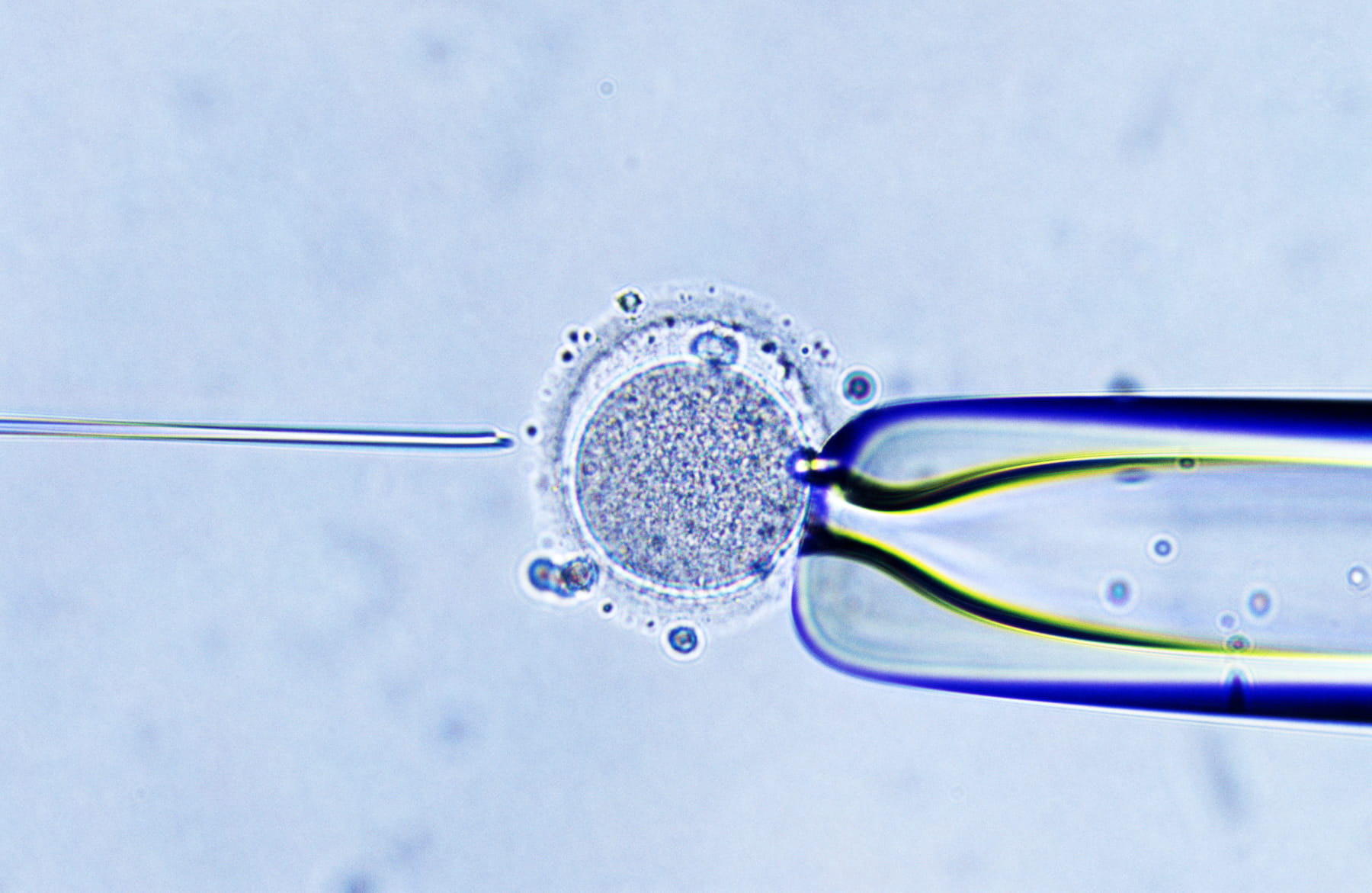
The pathway may include cycle planning, ovarian stimulation, egg retrieval, ICSI in the embryology lab, embryo development monitoring, and transfer planning according to the clinical timeline.

We also help with scheduling, accommodation, and travel coordination so the process is easier to follow from the first consultation to the final treatment stage.

Why the Lab Strategy Matters

ICSI is chosen when the laboratory fertilization plan needs to be more targeted. That may be because of sperm-related findings, prior fertilization history, or the way the fertility team wants to optimize the cycle. The aim is not simply to add another label to IVF, but to choose the most appropriate lab pathway for the case.

  • Detailed review of sperm analysis and prior cycle outcomes
  • Closer planning around fertilization and embryo development strategy
  • More targeted discussion of timing for retrieval, lab work, and transfer

What to Prepare Before Arrival

International patients usually benefit from sharing hormone tests, ultrasound reports, sperm analysis, and previous IVF results before booking flights. This helps the clinic decide whether ICSI is likely to be the right route and what the travel window should look like.
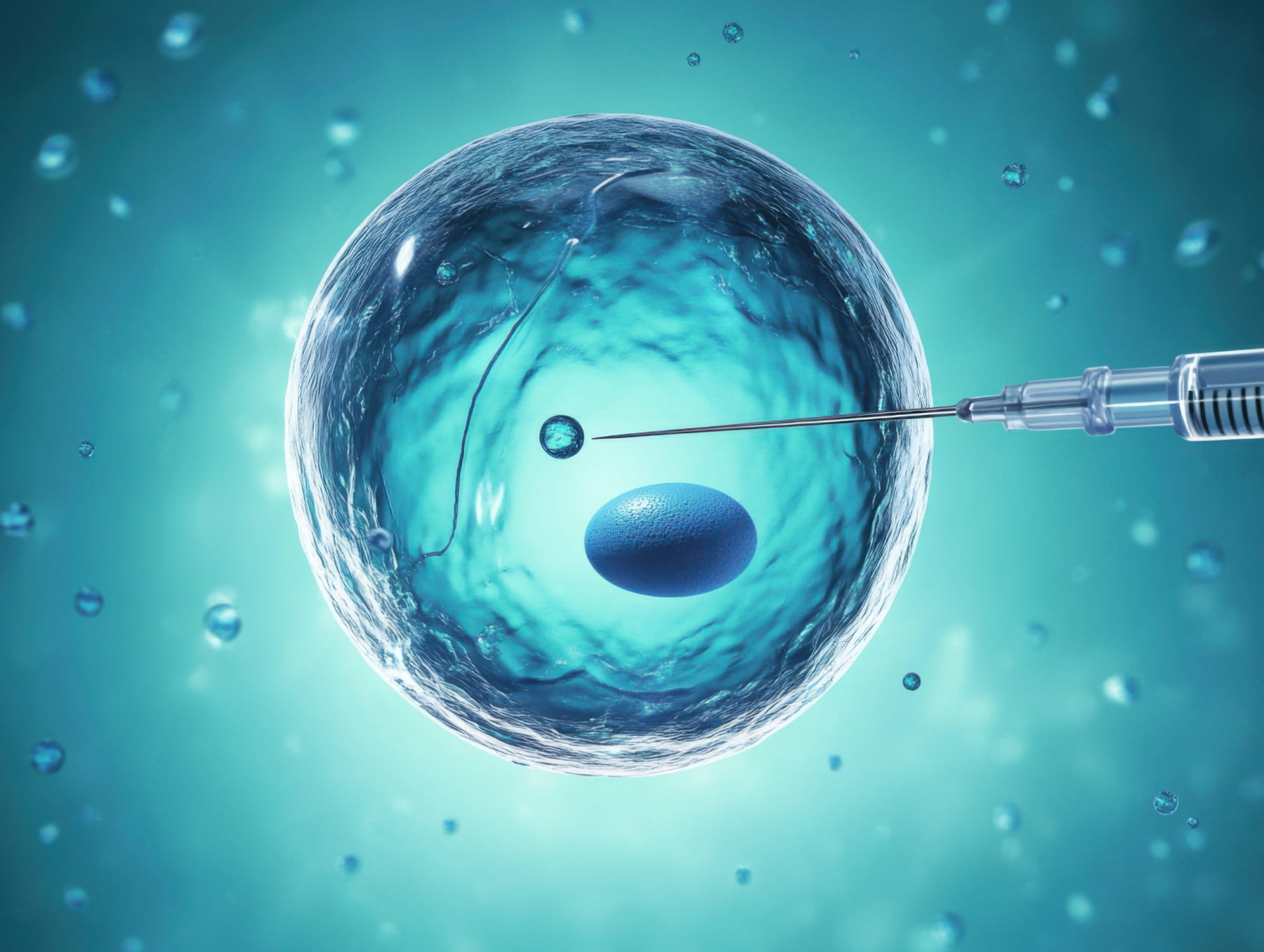
IVF with ICSI treatment in Istanbul

Why Patients Explore IVF with ICSI in Istanbul

  • Case review using both partners' fertility reports
  • Advanced embryology and fertilization planning
  • Clear treatment scheduling for international travel
  • Structured communication throughout the cycle
Advanced fertility care in Turkey

Modern IVF Centers in Istanbul

Mapa Health works with fertility clinics in Istanbul that combine reproductive endocrinology expertise, advanced embryology laboratories, and personalized coordination for international patients traveling for IVF treatment.


Our partner clinics support the full fertility pathway: hormone assessment, ovarian reserve evaluation, sperm analysis, stimulation planning, egg retrieval, embryo culture, embryo transfer, and post-transfer follow-up.


International Patient Coordination

Before you arrive, your reports and prior IVF history are reviewed so your program can be prepared in advance. This helps shorten uncertainty, align cycle timing, and make your stay in Istanbul more efficient.


For standard IVF treatment, the clinic team guides you through medication scheduling, laboratory milestones, embryo development updates, and the recommended stay duration before returning home.

Hotel room in Istanbul
Hotel lobby in Istanbul
Hotel accommodation for medical travelers
Comfortable hotel suite in Istanbul

Comfortable Accommodation for International Patients

Mapa Health arranges centrally located hotel options for patients and companions traveling to Istanbul for treatment. We prioritize easy hospital access, comfortable rooms, and dependable hospitality throughout the stay.

Depending on the procedure, your accommodation plan can be combined with airport transfers, clinic transfers, interpreter support, and scheduling assistance so the medical journey feels organized from arrival to departure.

Patients coming for cardiac treatment or IVF often travel with a partner or family member, so we help coordinate the stay around consultation days, procedure dates, rest periods, and control appointments.

IVF with ICSI: Pricing Notes

IVF with ICSI pricing depends on the laboratory plan, ovarian stimulation protocol, sperm-related factors, embryo culture pathway, medication costs, and whether any additional embryology services are recommended.


  • Fertility case review and treatment planning
  • Cycle monitoring and medication coordination
  • Egg retrieval and ICSI fertilization in the lab
  • Embryo culture and transfer planning
  • International patient communication throughout the cycle

Because ICSI is usually selected for a specific fertility indication, the most accurate cost estimate comes after medical review of both partners' reports.

ICSI is often considered when sperm-related factors, previous fertilization problems, or certain IVF histories suggest that direct sperm injection may improve the laboratory strategy. The final indication depends on specialist review.

Consult a Doctor

Have questions? Our experts are here to help. Contact us now!
What your journey feels like

Day by day with IVF treatment in Istanbul

IVF is a 4-phase process: preparation at home, stimulation, retrieval and transfer in Istanbul (4-7 days), pregnancy test. Here is the typical schedule.

Phase 1

Pre-trip preparation (at home)

  • Week -4 to -2
    Preparation & tests

    Hormone blood tests (FSH, LH, AMH, oestradiol), partner semen analysis, ultrasound of the ovaries. Online consultation with the Turkish reproductive medicine specialist for treatment planning.

  • Week -2
    Hormonal stimulation begins

    Self-injection of stimulation hormones (FSH/HMG) for 9-14 days at home. Monitoring ultrasound and blood tests with your gynaecologist at home or by video consultation with the clinic.

Phase 2

Arrival in Istanbul (day 9-12 of stimulation)

  • Day 1
    Clinic admission

    Follicle ultrasound, blood tests. With enough mature follicles: trigger shot (HCG) in the evening.

  • Day 2
    Rest day

    No activity. 36 hours between trigger and retrieval — important for egg maturation.

  • Day 3
    Egg retrieval

    Vaginal-sonographic retrieval under light sedation, 15-30 min. You may go home/hotel after 1-2 hours of observation.

Phase 3

Fertilisation & embryo culture

  • Day 3-5
    Lab: fertilisation

    IVF (classic): sperm are added to eggs. ICSI: a single sperm is injected directly into each egg. Embryos develop for 3-5 days in the incubator.

  • Day 6-8
    PGT if indicated

    When PGT is indicated, embryos are biopsied; genetic analysis takes 5-10 days. Embryos are frozen during the analysis.

Phase 4

Embryo transfer & trip home

  • Fresh transfer (day 5)
    Embryo transfer

    5-15 min, no anaesthesia, low pain. You lie quietly for 30 min, then resume normal life. No special bedrest needed.

  • Frozen transfer
    In a later cycle

    For PGT or freeze-all: transfer in a later cycle with hormonal preparation of the uterus.

  • 14 days later
    Pregnancy test

    Blood test at home. With a positive test, follow-up checks and possibly phone consultation with the clinic in Istanbul.

What if...?

"What if I cannot travel during stimulation?"

Stimulation phase happens at home — only the final phase (retrieval and transfer) in Istanbul. Arrival typically day 9-12 of stimulation (about 4-7 days in Istanbul total).

"Is the stimulation phase covered by my insurance at home?"

Some insurers reimburse hormone costs partially when there is a medical indication. Without indication, self-pay is £690-£1,290 for hormones. The procedure phase in Istanbul is paid privately.

"Travelling alone — can I manage?"

Yes, if you are not extremely anxious. Retrieval is outpatient under sedation. A companion for the retrieval day is recommended but not required.

"What if the transfer does not work? Travel again?"

With frozen embryos (frozen transfer) 2-3 days in Istanbul are enough. If new stimulation is needed: a complete new cycle with hormones plus travel. Success rate per attempt is 30-40% with good indication.

What you actually experience

Small observations during IVF treatment

Observations from stimulation, retrieval, transfer and the waiting period.

Weeks 1-2

Daily self-injection — the first days feel unusual, then become routine.

Weeks 1-2

The abdomen often feels somewhat "full" due to growing follicles.

Weeks 1-2

Mood swings from hormone levels are common.

Weeks 1-2

Control ultrasound every 2-3 days to adjust the dose.

Day 0

Fasting in the morning, sedation works quickly — no pain during retrieval.

Day 0

After 1-2 hours in the recovery room, you return to the hotel.

Day 0

Mild abdominal cramps similar to menstrual cramps for 1-2 days.

Day 0

Spotting in the evening is normal.

3-5 days

The embryologist calls daily — how many fertilised, how they develop.

3-5 days

The transfer is mildly uncomfortable, similar to a Pap smear.

3-5 days

No bed rest is needed after the transfer — normal activity supports circulation.

3-5 days

A pregnancy test is only meaningful 14 days after the transfer.

14 days

Hormonal support (progesterone suppositories or injections) until the test.

14 days

Symptoms such as mild nausea or sensitive breasts may come — not a reliable sign.

14 days

Patience is the biggest challenge — many describe the waiting time as harder than the procedure.

14 days

Testing too early can be falsely positive (trigger still in blood) or falsely negative.

Observations from medical sources.
Honestly answered

What couples often hesitate to ask

Honest answers on ICSI — realistic indications, health risks for children.

ICSI or standard IVF — who is right in my case?

ICSI is typically recommended for: severe sperm problems (low count, motility, morphology), prior IVF fertilisation failure, frozen sperm, TESE/MESA (surgical sperm retrieval). With a normal semen analysis, standard IVF is equivalent — some studies even show slightly higher malformation rates with ICSI without male indication. An honest clinic does not apply ICSI "prophylactically" in every case.

Will ICSI babies have more health problems?

Studies show a slightly increased risk of malformations (around 1.5-fold) and imprinting disorders in ICSI children — likely not from ICSI itself, but from the underlying sperm defects of the father. Absolute risks remain very small. With markedly reduced sperm quality, genetic testing of the father before ICSI is typically recommended.

What if no egg is fertilised despite ICSI?

Fertilisation failure with ICSI occurs in 5-10% despite correct technique. Possible causes: egg activation defect, sperm DNA damage, egg maturation issues. With repeated failure, special procedures such as AOA (Artificial Oocyte Activation) may be considered. An honest clinic provides a written cause analysis after a failed attempt.

Is ICSI in Turkey "real" or are there shortcuts?

In reputable clinics, ICSI is performed by certified embryologists with proper micromanipulators — the procedure is documented on video. Some unscrupulous providers sell standard IVF as "ICSI" (at a higher price). Ask for video documentation of the ICSI procedure and a written report with the embryologist's name.

What about male pre-treatment assessment?

Before ICSI, the man should typically have: semen analysis (ideally 2 tests at intervals), hormone blood tests (testosterone, FSH, LH, prolactin), genetic testing with very low sperm count (karyotype, Y-chromosome microdeletions, CFTR in azoospermia). An honest clinic performs this diagnostic work before ICSI — not only after a failed attempt.

What does ICSI cost in Turkey vs. your home country?

In some Western European countries, insurance covers a portion with medical indication and marriage; without coverage, £4,300-£6,020 per attempt. In Turkey, self-pay is typically £2,580-£4,300 per attempt. What to look for: experience of the embryologist, the clinic's annual ICSI volume (at least 500), guarantee for a repeat attempt in case of fertilisation failure.

What languages does the medical and coordination team speak?

Our coordination team operates in 13 languages including German, English, French, Italian, Spanish, Dutch, Polish, Romanian, Bulgarian, Russian, Ukrainian, Arabic and Persian. For clinical conversations (surgeon consultations, anesthesia briefing, discharge discussion), we provide a medically-trained interpreter in your language. Written documents (consent forms, operative reports, prescriptions) are translated into your language on request.

What documents and tests should I send before my trip?

Send recent diagnostic reports (relevant to your procedure: imaging, blood work, specialist letters), your full medication list including supplements, allergy history, and a brief health summary including chronic conditions and prior surgeries. Our medical team reviews these free of charge within 24-48 hours so we can confirm candidacy, finalize the plan and quote a binding price before you book travel.

Reviewed by the Mapa Health Clinical Review Team — as of .
Medically reviewed by Mapa Health Clinical Team
Last reviewed:
Reproductive medicine ESHRE / ASRM sources Turkish Ministry of Health
Content is reviewed against medical sources, partner-facility information and current treatment protocols. Individual suitability, risks and outcomes can vary.
Sources consulted: ESHRE · ASRM · WHO Infertility

Important Planning Notes

IVF with ICSI is selected for specific fertility indications, so treatment planning depends on both partners' reports and the lab strategy.

  • ICSI is recommended only when the clinical situation supports it
  • Cycle planning depends on stimulation response and the fertilization strategy
  • Laboratory planning is tailored to the fertility history
  • Travel dates should be aligned with the IVF monitoring timeline
✓ Safety Assurance:

A full review of hormone tests, ultrasound findings, sperm analysis, and prior IVF history helps the fertility team prepare the right ICSI pathway.

Treatment Timeline

Preparation

Both partners' reports are reviewed to confirm whether ICSI is likely to be part of the recommended treatment plan.

Cycle and monitoring

Medication, ultrasound, and lab scheduling are coordinated according to ovarian response.

ICSI laboratory phase

Egg retrieval is followed by direct sperm injection and embryo development monitoring.

Transfer planning

Embryo transfer timing is confirmed according to the clinical and laboratory progress.

Who Is a Good Candidate?

Good Candidates

  • Patients whose fertility profile suggests ICSI may improve the lab strategy
  • Those who can share sperm analysis and the wider fertility work-up before travel
  • International patients needing a coordinated IVF and lab pathway in Istanbul
  • Patients ready to follow the full monitoring and scheduling plan

Not Recommended For

  • Patients expecting ICSI automatically without fertility review
  • Those without enough reports for the clinic to assess the case properly
  • Anyone seeking a guaranteed IVF outcome before evaluation
  • Patients unable to align travel with the cycle timing
iMessage or WhatsApp
&

Request your free treatment plan and pricing information

Get personalized treatment plans and expert consultation - we are here to help

Medical Treatments

Comprehensive care for your health journey

Start Your Journey

International Treatment in 3 Clear Steps

We keep the process simple, coordinated, and easy to understand before you travel to Istanbul.

World-Class and Affordable Health Care in Turkey

Experience premium-quality medical treatments at a fraction of the cost compared to Europe. At Mapa Health, we partner with top-rated hospitals and highly experienced doctors to provide exceptional care that meets and exceeds European standards.

From your initial consultation to your safe return home, our dedicated team ensures a seamless experience at every stage of your journey. We are committed to making you feel comfortable, supported, and cared for, just like at home.
  • Combine your treatment with a memorable vacation by exploring Turkey’s rich culture and stunning sights.
  • Benefit from fast and efficient medical care with no waiting times.
  • Access cutting-edge medical technologies and state-of-the-art facilities.
  • Receive world-class treatments at significantly lower costs.
Mapa Health medical tourism services

EXCLUSIVE

Our services

Medical Disclaimer: The information provided on this website is for general informational purposes only and does not constitute medical advice. All surgical and medical procedures carry inherent risks including but not limited to infection, scarring, nerve damage, and adverse reactions to anesthesia. Individual results may vary. The content on this site should not be used as a substitute for professional medical consultation, diagnosis, or treatment. Always consult with a qualified healthcare provider before making decisions about your health. Mapa Health facilitates connections with accredited medical facilities and certified surgeons in Turkey. All procedures are performed by board-certified specialists at documented clinical standards or Turkish Ministry of Health-approved facilities.