Google Business Profile
Open the public Google profile to see recent feedback, photos and location context from patients and visitors.
Open Google profile
This guide covers IVF with ICSI costs in Istanbul and across Turkey for international patients. You will find detailed pricing for ICSI with fresh sperm, frozen sperm, and surgically retrieved sperm (TESE/MESA), success rate data, male factor infertility solutions, and the clinical factors that affect your treatment plan and cost.
Turkey offers advanced ICSI treatment at significantly lower costs than Western Europe or North America. Turkish fertility centers perform thousands of ICSI cycles annually, with experienced embryologists skilled in microinjection techniques and surgical sperm retrieval procedures.
Your IVF-ICSI cost depends on the sperm source, stimulation protocol, and whether additional procedures are needed. A proper quote always follows review of both partners' test results.
ICSI pricing depends on the sperm source, whether surgical retrieval is needed, and the overall IVF protocol complexity. The ranges below represent current market-level guidance for international patients.
| Procedure Type | What It Involves | Estimated Cost Range | Key Price Variables |
|---|---|---|---|
| ICSI with Fresh Sperm | IVF cycle with ICSI fertilization using ejaculated fresh sperm sample | From £2,580 | Stimulation protocol, medication dosage, number of eggs, clinic profile |
| ICSI with Frozen Sperm | IVF-ICSI using previously cryopreserved sperm (pre-cancer, donor, etc.) | From £2,750 | Thawing and processing fees, sperm quality post-thaw, storage transfer costs |
| ICSI with TESE/micro-TESE | Surgical testicular sperm extraction coordinated with IVF-ICSI cycle | From £3,440 | Type of surgical retrieval, urologist fees, success of sperm extraction |
| ICSI with MESA | Microsurgical epididymal sperm aspiration for obstructive azoospermia | From £3,610 | Microsurgical expertise, combined procedure coordination, sperm quality |
Use the price guide as a starting point. Send your details and our team will check which package range fits your case before you travel.
Mapa Health currently offers IVF with ICSI starting from £2,580, including fertility specialist consultations, monitoring, egg retrieval, ICSI fertilization, embryo culture and transfer, accommodation, and VIP airport transfers. Final pricing is confirmed after reviewing semen analysis and female partner evaluation.
Cases requiring surgical sperm retrieval (TESE/MESA) carry additional fees for the urological procedure, quoted individually after andrological assessment.
The total cost of IVF with ICSI varies based on the severity of male factor infertility and whether surgical intervention is needed to obtain viable sperm.
| Complexity Level | Typical Clinical Scope | Indicative Price Range | What Increases the Fee |
|---|---|---|---|
| Standard ICSI | Mild-moderate male factor, ejaculated sperm available, standard stimulation | £2,580- £3,270 | Medication dosage, number of eggs for injection, laboratory add-ons |
| ICSI + Advanced Selection | IMSI or MACS sperm selection combined with ICSI for severe morphology issues | £3,010- £3,870 | Advanced equipment requirements, specialist embryologist time |
| ICSI + Surgical Retrieval | TESE or MESA procedure coordinated with IVF-ICSI for azoospermia | £3,440- £4,730 | Urologist fees, anesthesia for retrieval, sperm processing complexity |
| ICSI + PGT Screening | IVF-ICSI with preimplantation genetic testing for aneuploidy or specific conditions | £4,300- £6,020 | Number of embryos biopsied, type of genetic test, freeze-all requirement |
ICSI is a standard add-on to IVF in most countries, but the cost premium varies significantly. Turkish clinics often include ICSI within the IVF package, while other countries charge it as a separate line item.
| Country | Typical Pricing Model | Common Total Cost Level | Notes |
|---|---|---|---|
| Turkey | ICSI often included in IVF package price | £2,580- £4,730 (including accommodation and transfers) | Many clinics include ICSI as standard; TESE adds £690-£1,290 |
| United Kingdom | ICSI billed as add-on to IVF cycle fee | £5,500 - £9,000 per cycle with ICSI | ICSI adds £800-£1,500 to the base IVF price; limited NHS funding |
| United States | ICSI as separate line item on IVF bill | £10,360- £16,280+ per cycle with ICSI | ICSI adds £1,110-£2,220to the IVF cost; TESE adds £2,220-£4,440 |
| Germany / Western EU | ICSI billed separately; partial insurance possible | £4,300- £7,740 per cycle with ICSI | Insurance may cover ICSI if male factor infertility is documented |
| Czech Republic / Greece | Popular European fertility tourism destinations | £3,010- £5,160 per cycle with ICSI | Competitive pricing with established medical tourism infrastructure |
Budget beyond the quoted ICSI treatment fee. Consider the extended Istanbul stay, partner travel costs, and the possibility that multiple cycles may be needed, especially in severe male factor cases.
All pricing on this page serves as educational market guidance. Your personalized IVF-ICSI quote should be based on a comprehensive evaluation of both partners' fertility status.
International patients benefit from structured packages that coordinate the entire IVF-ICSI journey. A well-designed package covers consultations for both partners, the complete stimulation and retrieval cycle, ICSI fertilization, and embryo transfer with accommodation and logistics support.
The specific ICSI technique used can affect fertilization quality and embryo development. Your embryologist selects the most appropriate method based on sperm characteristics and previous cycle outcomes.
| Technique | Main Advantage | Best For | Cost Implications |
|---|---|---|---|
| Standard ICSI | Reliable fertilization using standard magnification sperm selection | Most male factor cases with adequate sperm available | Included in standard IVF-ICSI pricing |
| IMSI (Intracytoplasmic Morphologically Selected Sperm Injection) | Ultra-high magnification (6000x) for superior morphological sperm selection | Severe teratozoospermia, repeated ICSI fertilization failure | Additional fee for specialized equipment and extended embryologist time |
| PICSI (Physiological ICSI) | Selects sperm based on hyaluronan binding ability, mimicking natural selection | High sperm DNA fragmentation, previous poor embryo development | Moderate additional fee for hyaluronan dishes and selection process |
| MACS (Magnetic Activated Cell Sorting) | Removes apoptotic (damaged) sperm using magnetic separation before ICSI | Elevated sperm DNA fragmentation index | Additional laboratory processing fee |
ICSI is specifically indicated when male factor infertility or specific clinical circumstances make conventional fertilization unreliable. Your fertility specialist should explain clearly why ICSI is recommended for your case.
Thorough male factor investigation before ICSI is essential. Identifying the underlying cause of poor sperm parameters may reveal treatable conditions and helps optimize the ICSI strategy.
The IVF-ICSI timeline mirrors standard IVF with the addition of specialized sperm processing and microinjection steps. Understanding each stage helps you plan your travel and coordinate with your partner.
ICSI is a well-established technique with decades of clinical use worldwide. Understanding the safety profile helps you make informed decisions about your treatment.
When comparing fertility clinics for ICSI treatment, laboratory quality and embryologist expertise are the most critical differentiators. Use this framework to evaluate clinic evidence.
| Category | What to Compare | Why It Matters | Suggested Weight |
|---|---|---|---|
| ICSI Fertilization Rate | Percentage of injected mature eggs that fertilize normally | Directly reflects embryologist skill and laboratory conditions | High |
| Andrology Services | In-house urologist, TESE capability, sperm banking facility | Essential for comprehensive male factor management | High |
| Pregnancy Rates | Clinical pregnancy and live birth rates for ICSI cycles by age | The ultimate measure of treatment effectiveness | High |
| Package Transparency | Clear inclusion of ICSI fee, medications, TESE costs if applicable | Prevents unexpected costs during treatment | Medium |
These publicly verifiable references help you validate Mapa Health's service claims before requesting a private fertility consultation.
Mapa Health's official contact page states that treatments are carried out at partner healthcare institutions holding the official health tourism authorization certificate issued by the Turkish Ministry of Health.
As of 15 March 2026, the public Trustpilot profile for mapahealth.com covers multiple treatment categories. Filter for fertility-specific experiences when evaluating reviews.
Selecting an IVF-ICSI provider should be driven by embryology expertise, andrology support, transparent success rates, and comprehensive patient care for both partners.
Explore related fertility procedures for detailed information about alternative protocols and complementary treatments.
Explore related fertility treatment pages for detailed information about candidacy, treatment process, pricing, and success rates.
This FAQ addresses the most common pricing, technique, and candidacy questions that international patients ask before booking IVF-ICSI treatment in Istanbul.
IVF with ICSI in Turkey starts from approximately £2,580 per cycle. The final cost depends on whether surgical sperm retrieval (TESE/MESA) is needed, stimulation protocol, medication dosage, and package inclusions. All-inclusive international packages typically range from £2,580 to £4,730 Before booking, ask for the written plan, inclusions and exclusions, expected recovery time, possible alternatives, follow-up route and warning signs that require local care. If the question is about price, timing or results, treat the page information as guidance until the medical assessment and written quote are completed.
In standard IVF, sperm and eggs are placed together in a culture dish and fertilization occurs naturally. With ICSI, an embryologist selects a single sperm and injects it directly into each mature egg using a microinjection needle under high magnification. ICSI bypasses the need for sperm to penetrate the egg naturally, making it essential for severe male factor infertility. Before booking, ask for the written plan, inclusions and exclusions, expected recovery time, possible alternatives, follow-up route and warning signs that require local care. If the question is about price, timing or results, treat the page information as guidance until the medical assessment and written quote are completed.
ICSI is specifically recommended for severe oligospermia (very low sperm count), severe asthenospermia (poor motility), severe teratozoospermia (abnormal morphology), surgically retrieved sperm (TESE/MESA), previously frozen sperm, previous fertilization failure with standard IVF, frozen eggs, and very low egg yield where each egg's fertilization must be maximized. Before booking, ask for the written plan, inclusions and exclusions, expected recovery time, possible alternatives, follow-up route and warning signs that require local care. If the question is about price, timing or results, treat the page information as guidance until the medical assessment and written quote are completed.
TESE (Testicular Sperm Extraction) is a surgical procedure to retrieve sperm directly from testicular tissue when no sperm is present in the ejaculate (azoospermia). TESE typically adds £690-£1,290 to the IVF-ICSI cycle cost. Micro-TESE, performed under a surgical microscope for higher success rates, may cost slightly more. The procedure is coordinated with egg retrieval day for optimal fresh sperm use. Before booking, ask for the written plan, inclusions and exclusions, expected recovery time, possible alternatives, follow-up route and warning signs that require local care. If the question is about price, timing or results, treat the page information as guidance until the medical assessment and written quote are completed.
ICSI typically achieves fertilization rates of 70-85% of injected mature eggs. Clinical pregnancy rates per transfer are comparable to standard IVF when controlled for female age: approximately 50-60% for women under 35, declining with age. The success depends on both egg quality (female factor) and the underlying cause and severity of male infertility. Before booking, ask for the written plan, inclusions and exclusions, expected recovery time, possible alternatives, follow-up route and warning signs that require local care. If the question is about price, timing or results, treat the page information as guidance until the medical assessment and written quote are completed.
Yes, ICSI works well with frozen sperm and is often the preferred method when using cryopreserved samples. Freezing can reduce sperm motility and damage membranes, making conventional fertilization less reliable. ICSI bypasses these issues by injecting the sperm directly into the egg, making it ideal for patients who froze sperm before cancer treatment, vasectomy, or for other preservation purposes. Before booking, ask for the written plan, inclusions and exclusions, expected recovery time, possible alternatives, follow-up route and warning signs that require local care. If the question is about price, timing or results, treat the page information as guidance until the medical assessment and written quote are completed.
Large-scale studies spanning decades show that ICSI carries a very slightly increased risk compared to natural conception, but the absolute risk increase is small. Current evidence suggests the marginally higher risk is more likely related to the underlying male infertility than to the ICSI technique itself. Children conceived through ICSI develop normally in the overwhelming majority of cases. Genetic counseling is recommended when severe male factor has a known genetic basis. Before booking, ask for the written plan, inclusions and exclusions, expected recovery time, possible alternatives, follow-up route and warning signs that require local care. If the question is about price, timing or results, treat the page information as guidance until the medical assessment and written quote are completed.
No. ICSI is clinically indicated for specific conditions, primarily male factor infertility and certain laboratory situations. When semen parameters are normal and there is no prior fertilization failure, conventional IVF can achieve good fertilization rates. However, many clinics now offer ICSI as standard practice to reduce the risk of unexpected fertilization failure. Discuss with your specialist whether ICSI is truly necessary for your case. Before booking, ask for the written plan, inclusions and exclusions, expected recovery time, possible alternatives, follow-up route and warning signs that require local care. If the question is about price, timing or results, treat the page information as guidance until the medical assessment and written quote are completed.
Beyond standard semen analysis, ICSI candidates typically need detailed morphology assessment, sperm DNA fragmentation testing (particularly for repeated failures), hormonal evaluation (FSH, testosterone), and genetic screening (karyotype, Y-chromosome microdeletion analysis) if severe male factor is present. These tests help optimize sperm selection and identify any genetic conditions that could be passed to offspring. Before booking, ask for the written plan, inclusions and exclusions, expected recovery time, possible alternatives, follow-up route and warning signs that require local care. If the question is about price, timing or results, treat the page information as guidance until the medical assessment and written quote are completed.
In some cases of non-obstructive azoospermia, TESE may not find viable sperm. Micro-TESE has higher success rates (around 50-60%) compared to conventional TESE (30-40%). If no sperm is found, options include repeating micro-TESE with a different surgeon, using donor sperm, or exploring other family-building options. Your clinic should discuss this possibility and contingency plans before the procedure. Before booking, ask for the written plan, inclusions and exclusions, expected recovery time, possible alternatives, follow-up route and warning signs that require local care. If the question is about price, timing or results, treat the page information as guidance until the medical assessment and written quote are completed.
Share your semen analysis and fertility test results to receive an initial assessment, protocol recommendation, and estimated pricing. This allows you to compare clinics based on embryology expertise and clinical quality.
Clinical facts and recovery timeline based on international medical-body standards.
Source: Per ASRM committee opinions on ICSI indications and ESHRE laboratory guidelines.
Looking for complete procedure details, recovery, and methodology?
Honest answers about prices, inclusions, insurance reimbursement, and payment methods.
Honest answers about loss-leader offers, surcharges, insurance reimbursement, guarantees, and financial protection.
PUBLIC PATIENT FEEDBACK
Before choosing a coordinator, compare public patient feedback from more than one source. We link to the original profiles so you can read the full context directly.
Open the public Google profile to see recent feedback, photos and location context from patients and visitors.
Open Google profileCheck the Trustpilot profile for longer written comments and patterns across treatment categories.
Open Trustpilot profileWe do not publish copied third-party review text here. Always read the original profile before making a decision.

Our multilingual consultants are available to assist you during business hours

Affordable 5 star hotel accommodation

Complimentary transfers between airport, clinic and hotel

Exclusive city tours and cultural experiences arranged for group visitors

Treatments performed in modern, fully-equipped medical facilities
We serve patients from more than 20 countries worldwide
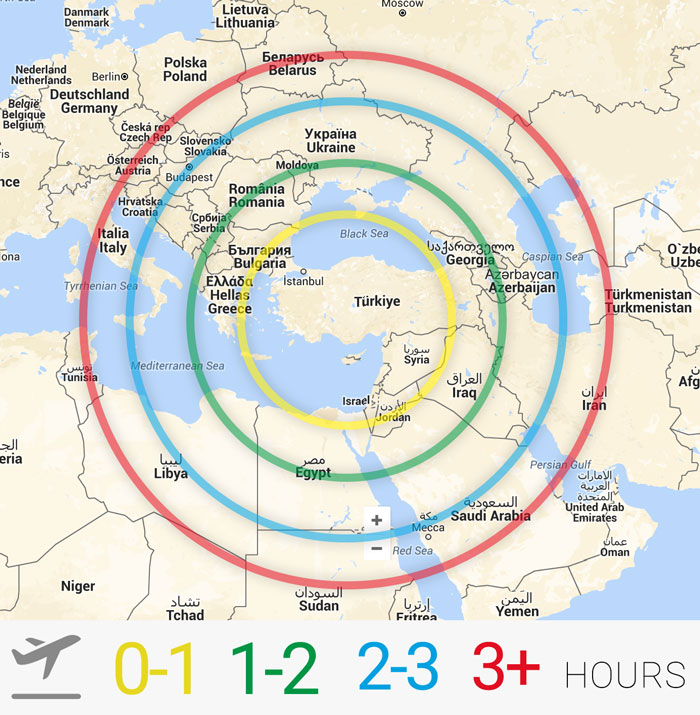
IVF with ICSI in Turkey starts from approximately £2,580 per cycle. The final cost depends on the stimulation protocol, whether surgical sperm retrieval (TESE/MESA) is needed, medication dosage, and the clinic's package structure. All-inclusive packages typically range from £2,580 to £4,730 Before booking, ask for the written plan, inclusions and exclusions, expected recovery time, possible alternatives, follow-up route and warning signs that require local care. If the question is about price, timing or results, treat the page information as guidance until the medical assessment and written quote are completed.
In standard IVF, sperm and eggs are placed together in a dish and fertilization occurs naturally. With ICSI, an embryologist selects a single healthy sperm and injects it directly into each mature egg using a microinjection needle. ICSI is recommended when sperm quality is compromised or when previous IVF cycles showed poor fertilization. Before booking, ask for the written plan, inclusions and exclusions, expected recovery time, possible alternatives, follow-up route and warning signs that require local care. If the question is about price, timing or results, treat the page information as guidance until the medical assessment and written quote are completed.
ICSI is recommended for male factor infertility (low sperm count, poor motility, abnormal morphology), previous IVF fertilization failure, surgically retrieved sperm (TESE/MESA), frozen sperm with reduced post-thaw quality, unexplained infertility with repeated IUI failures, and when using frozen eggs. Before booking, ask for the written plan, inclusions and exclusions, expected recovery time, possible alternatives, follow-up route and warning signs that require local care. If the question is about price, timing or results, treat the page information as guidance until the medical assessment and written quote are completed.
TESE (Testicular Sperm Extraction) is a surgical procedure to retrieve sperm directly from testicular tissue when no sperm is present in the ejaculate (azoospermia). TESE adds £690-£1,290 to the IVF-ICSI cycle cost and requires coordination with a urologist/andrologist alongside the fertility team. Before booking, ask for the written plan, inclusions and exclusions, expected recovery time, possible alternatives, follow-up route and warning signs that require local care. If the question is about price, timing or results, treat the page information as guidance until the medical assessment and written quote are completed.
ICSI fertilization rates typically range from 70-85% of injected eggs. Clinical pregnancy rates per transfer are comparable to standard IVF when the infertility cause is primarily male factor: approximately 50-60% for women under 35, decreasing with age. Success depends on both egg quality and the underlying cause of male infertility. Before booking, ask for the written plan, inclusions and exclusions, expected recovery time, possible alternatives, follow-up route and warning signs that require local care. If the question is about price, timing or results, treat the page information as guidance until the medical assessment and written quote are completed.
The treatment timeline for IVF with ICSI is similar to standard IVF: approximately 2-3 weeks from baseline assessment through embryo transfer. If surgical sperm retrieval (TESE) is needed, this is typically scheduled on the same day as egg retrieval to use fresh testicular sperm. Before booking, ask for the written plan, inclusions and exclusions, expected recovery time, possible alternatives, follow-up route and warning signs that require local care. If the question is about price, timing or results, treat the page information as guidance until the medical assessment and written quote are completed.
Yes, ICSI works well with frozen sperm samples. In fact, ICSI is often the preferred fertilization method when using cryopreserved sperm because freezing can reduce sperm motility and membrane integrity, making natural fertilization in a dish less reliable. This is common for patients who froze sperm before cancer treatment or surgical procedures. Before booking, ask for the written plan, inclusions and exclusions, expected recovery time, possible alternatives, follow-up route and warning signs that require local care. If the question is about price, timing or results, treat the page information as guidance until the medical assessment and written quote are completed.
Large-scale studies show that ICSI carries a very slightly increased risk compared to natural conception, but the absolute increase is small. The slightly higher risk is thought to be related to the underlying male infertility rather than the ICSI technique itself. Children conceived through ICSI develop normally in the vast majority of cases. Before booking, ask for the written plan, inclusions and exclusions, expected recovery time, possible alternatives, follow-up route and warning signs that require local care. If the question is about price, timing or results, treat the page information as guidance until the medical assessment and written quote are completed.
No, ICSI is not always necessary. When semen parameters are normal and there is no history of fertilization failure, conventional IVF fertilization can work well. However, many clinics now offer ICSI as standard because it provides more predictable fertilization rates. Discuss with your specialist whether ICSI is clinically indicated for your specific situation. Before booking, ask for the written plan, inclusions and exclusions, expected recovery time, possible alternatives, follow-up route and warning signs that require local care. If the question is about price, timing or results, treat the page information as guidance until the medical assessment and written quote are completed.
Beyond standard IVF workup, ICSI candidates typically need a detailed semen analysis with morphology assessment, sperm DNA fragmentation testing in some cases, hormonal evaluation for the male partner (FSH, testosterone), and genetic screening (karyotype, Y-chromosome microdeletion) if severe male factor is present. These tests help optimize the treatment protocol. Before booking, ask for the written plan, inclusions and exclusions, expected recovery time, possible alternatives, follow-up route and warning signs that require local care. If the question is about price, timing or results, treat the page information as guidance until the medical assessment and written quote are completed.
Use this section to evaluate IVF with ICSI Turkey Cost 2026 as a medical-travel decision, not only as a price comparison. The right plan depends on diagnosis, eligibility, medical records, realistic expectations, aftercare access and the written offer issued before travel.
Suitability should be checked before any booking. Share recent tests, medication lists, allergies, previous operations and relevant photographs or scans. The treating physician or clinic must confirm whether IVF with ICSI Turkey Cost 2026 is appropriate and whether another option would be safer.
Ask what would happen if you choose local care, postpone treatment, use a less invasive option or select another procedure in the same specialty. A good consultation explains why the proposed route fits your diagnosis and why excluded alternatives are less suitable.
The price should be read together with inclusions, exclusions, currency, provider details, hotel nights, transfers, diagnostics, medicines, revisions and follow-up route. £2,150 is a starting figure; the final quote depends on assessment and availability.
Travel planning should include downtime, flight timing, activity restrictions, wound or eye care, diet changes, remote follow-up and warning signs. Do not plan important work, sport or long travel until the recovery window is clear.
Mapa Health coordinates the journey, but the treating provider makes medical decisions. Before travel, confirm the facility, physician role, consent form, emergency contact, aftercare terms and how records will be shared after returning home.
Save the written plan, consent forms, device or implant details where relevant, invoices and aftercare instructions. Bring questions about risks, expected limits, pain control, complications, alternatives and what is not included in the package.
This page is educational. Personal medical advice can only be given after clinical review by the responsible healthcare professional.
Before choosing, compare this option with local treatment, non-surgical care where relevant, and alternative procedures in the same category. The right choice depends on diagnosis, eligibility, risks, recovery time and the written aftercare plan.
Use these internal links to compare the main treatment guide, cost page and nearby alternatives before requesting a quote.