Last updated:

Heart Valve Repair / Replacement in Turkey from £4,200

Heart Valve Repair or Replacement in Turkey

Valve disease may affect how blood moves through the heart and can require careful treatment planning when symptoms, imaging, and cardiac function indicate the need for repair or replacement. For international patients, the first priority is a clear review of the current cardiac reports before arranging travel.

At Mapa Health, we help organize the pathway between cardiology review, cardiovascular surgery planning, hospital coordination, and the practical support needed during treatment in Istanbul.

Valve treatment is never one-size-fits-all. The decision between repair and replacement depends on the valve problem, heart function, and the wider medical picture.

Once the case is evaluated, the treatment journey may include additional testing, surgeon assessment, the operative pathway, ICU monitoring, and recovery planning before discharge and return travel.

We also support communication and logistics for the patient and companion so the process feels more structured during a complex cardiac treatment journey.

When Patients Begin to Explore Valve Treatment

Patients often start exploring valve treatment after worsening symptoms, changing echocardiography results, or a cardiologist's recommendation for more definitive intervention. Some arrive already knowing that surgery is likely, while others still need a clear review of whether repair or replacement is the more realistic path.

  • Valve narrowing or leakage affecting daily activity or cardiac function
  • Cases where echocardiography suggests progression of the valve problem
  • Patients needing a more structured second opinion on the likely surgical route

How the Pre-Travel Review Helps

A careful file review helps the Istanbul team understand which valve is involved, how advanced the dysfunction appears, and what kind of hospital pathway is likely to be needed. This gives international patients a much clearer idea of the treatment timeline before they commit to travel.
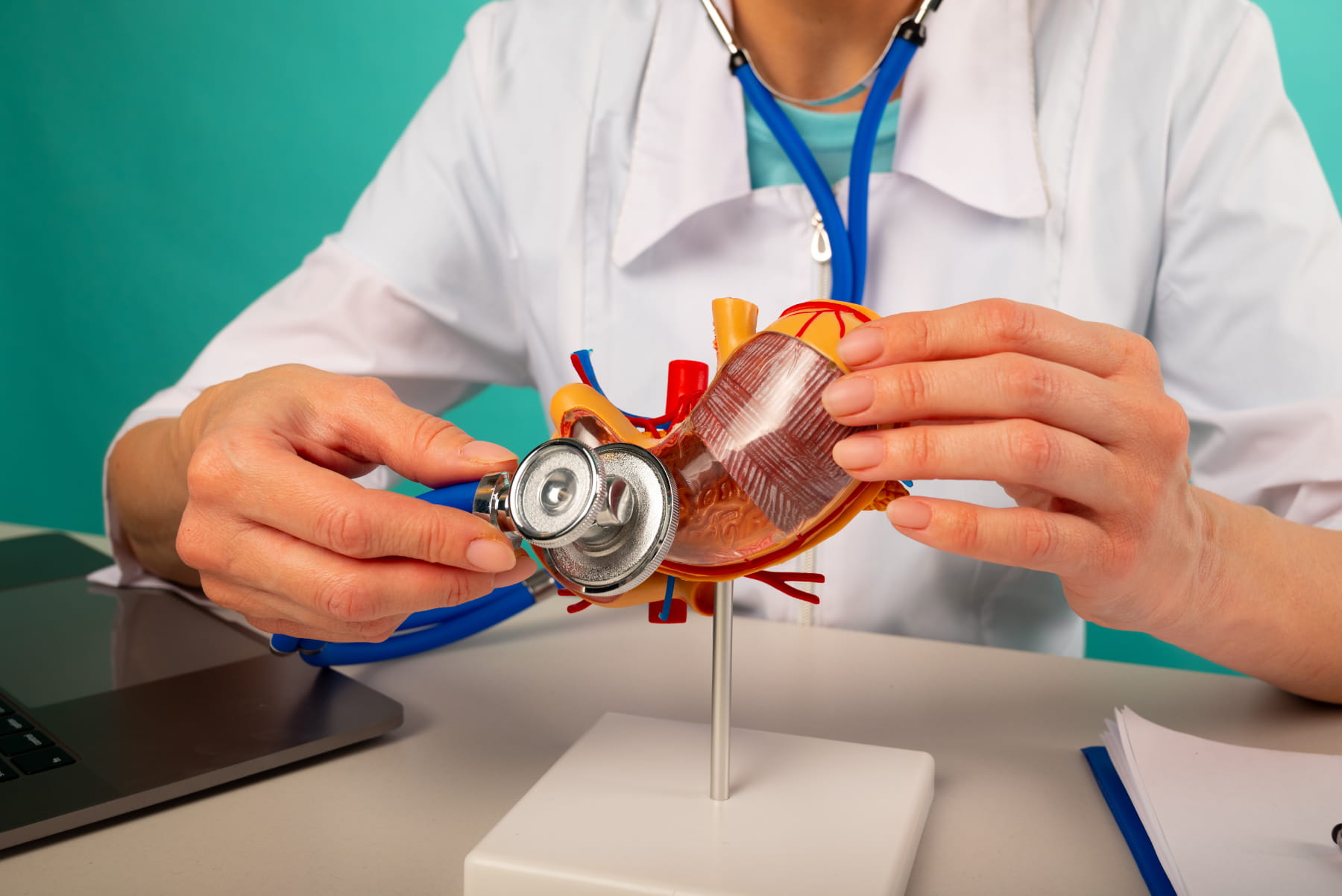
Heart valve care in Istanbul

Why Patients Explore Valve Care in Istanbul

  • Remote review of echo and cardiac reports
  • Specialist planning for repair or replacement
  • Hospital-based surgery and monitoring pathway
  • International coordination before and during the stay
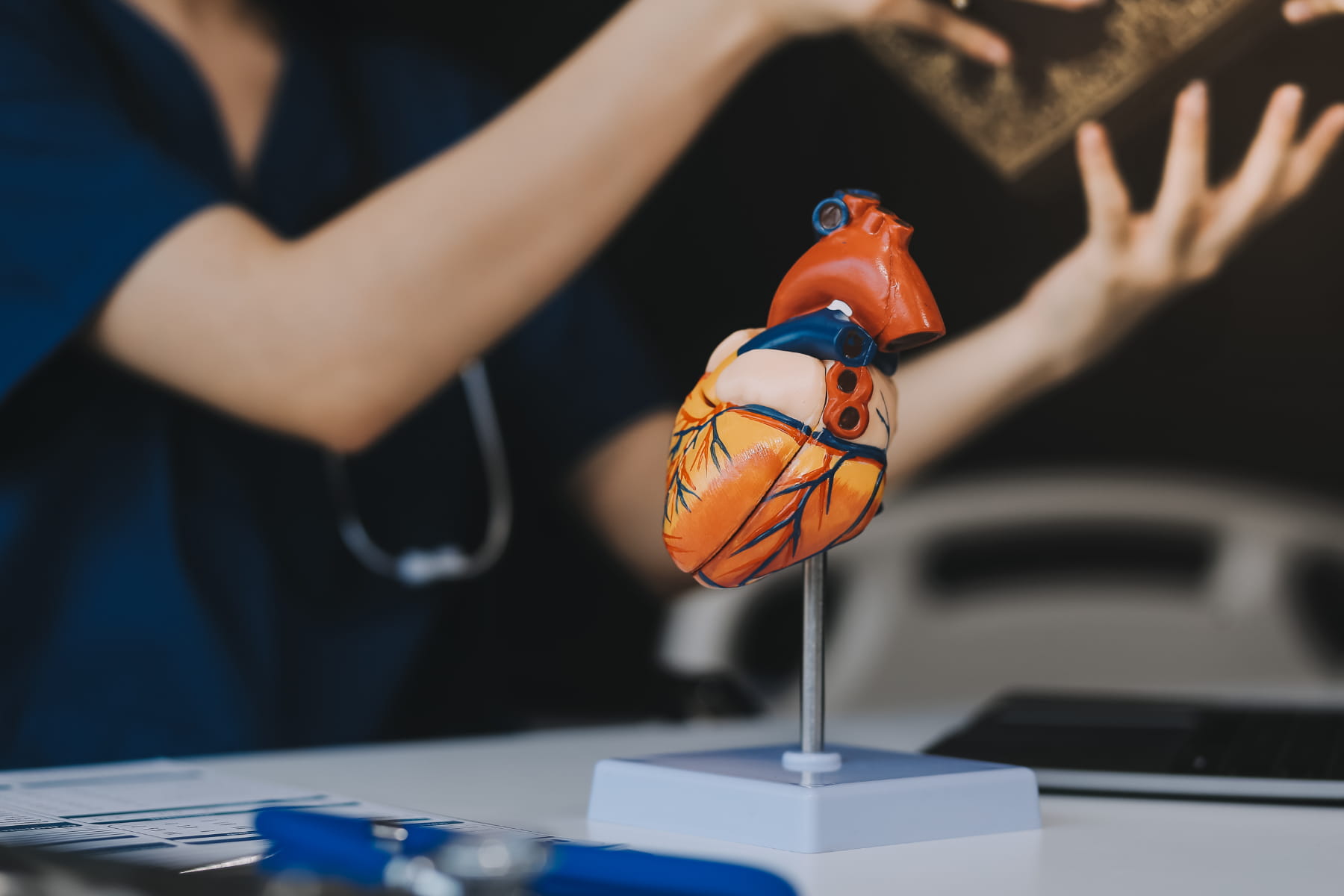
Cardiovascular surgery coordination in Turkey

Accredited Cardiology Hospitals in Istanbul

Mapa Health coordinates cardiac care with internationally experienced hospitals in Istanbul that provide advanced diagnostics, intensive care support, hybrid operating rooms, and full post-operative monitoring for international patients.


Our partner teams bring together cardiologists, cardiovascular surgeons, anesthesiologists, and rehabilitation specialists to create a treatment pathway that is medically safe and easy to navigate from the first consultation to discharge.


What International Cardiac Patients Can Expect

Before travel, your reports are reviewed remotely so the right tests and specialist appointments can be arranged in advance. Once you arrive in Istanbul, you receive a structured plan covering diagnostics, surgery timing, inpatient stay, and follow-up checks before you fly home.


For major procedures such as CABG surgery, the hospital pathway includes pre-operative cardiac imaging, peri-operative intensive care support, and early mobilization planning. This helps reduce uncertainty and gives patients a clearer recovery timeline.

Hotel room in Istanbul
Hotel lobby in Istanbul
Hotel accommodation for medical travelers
Comfortable hotel suite in Istanbul

Comfortable Accommodation for International Patients

Mapa Health arranges centrally located hotel options for patients and companions traveling to Istanbul for treatment. We prioritize easy hospital access, comfortable rooms, and dependable hospitality throughout the stay.

Depending on the procedure, your accommodation plan can be combined with airport transfers, clinic transfers, interpreter support, and scheduling assistance so the medical journey feels organized from arrival to departure.

Patients coming for cardiac treatment or IVF often travel with a partner or family member, so we help coordinate the stay around consultation days, procedure dates, rest periods, and control appointments.

Heart Valve Repair or Replacement: Pricing Notes

Valve treatment pricing depends on which valve is affected, whether repair or replacement is medically preferred, the surgical approach, prosthetic material selection when needed, ICU requirements, and the overall complexity of the patient's condition.


  • Cardiology and cardiovascular surgery review of echocardiography and imaging
  • Pre-operative planning and anesthesia assessment
  • Valve repair or replacement in a hospital-based cardiac setting
  • ICU and in-hospital post-operative monitoring
  • Discharge planning and international patient support

Valve cases vary significantly, so the most accurate approach is a personalized quotation after the medical team reviews your current reports.

The answer depends on the valve involved, the severity of damage, symptoms, heart function, and surgical assessment. In some cases repair is possible; in others replacement offers the safer or more durable result.

Consult a Doctor

Have questions? Our experts are here to help. Contact us now!
What your journey feels like

Day by day with cardiac procedures in Istanbul

Cardiac procedures vary widely in complexity. Open-heart surgery (CABG, valve) requires a 7-10 day stay; catheter procedures (angioplasty) and implants (pacemaker, ICD) only 3-5 days. Here is an overview of typical schedules.

PHASE 1

Arrival & diagnostics

  • Morning
    Landing & clinic admission

    Mapa driver picks you up. Direct to clinic for major procedures, or hotel check-in first for smaller ones.

  • Afternoon
    Diagnostics

    ECG, blood tests, echo, coronary angiography if needed. Confirmation of the planned procedure (CABG, angioplasty, pacemaker, valve) and detailed consent.

PHASE 2

Procedure

  • Open-Heart (CABG, valve)
    4-6 hour surgery

    General anaesthesia, sternotomy incision, heart-lung machine. Followed by intensive care for 1-2 days.

  • Catheter (angioplasty)
    30-90 minutes

    Local anaesthesia, catheter via groin/wrist, stent placement. You stay awake.

  • Implant (pacemaker/ICD)
    1-2 hours

    Local anaesthesia with sedation, small incision below the collarbone, leads inserted into a vein.

PHASE 3-7

Hospital & recovery

  • CABG/valve
    5-7 days hospital

    1-2 days ICU, then a regular ward. Mobilisation, breathing training, wound check. Painkillers, anticoagulation.

  • Angioplasty
    1-2 days hospital

    Observation, pressure dressing at the puncture site. Discharged from day 2 as outpatient.

  • Pacemaker/ICD
    1-2 days hospital

    Wound check, device programming, ECG check. Then hotel recovery.

PHASE Travel clearance

Trip home & follow-up care

  • CABG/valve
    Trip home after 7-10 days

    Written medical report, medication list (anticoagulation mandatory), rehabilitation at home is planned.

  • Other
    Trip home after 3-5 days

    For angioplasty/pacemaker often after 3-5 days. Follow-up at home with the device cards.

What if...?

"Is general anaesthesia safe for my heart condition?"

With a thorough pre-op assessment and an experienced anaesthesia team, general anaesthesia is safe even with heart conditions. For angioplasty and pacemaker, usually only local anaesthesia with sedation is needed — no general-anaesthesia risk.

"What if complications occur during surgery?"

A reputable JCI-accredited heart clinic has 24/7 ICU, cardiac surgery emergency team and all modern back-up procedures. In acute complications, intervention is immediate.

"Travelling alone — can I manage after heart surgery?"

For angioplasty/pacemaker yes, with Mapa support. For CABG/valve a companion is strongly recommended — you need support for the first 7-10 days. If necessary, Mapa can arrange a companion.

"How does follow-up care continue at home?"

Follow-up with a cardiologist at home is mandatory. After CABG/valve a 3-4 week rehabilitation stay is often recommended. For pacemaker/ICD, regular device checks every 6-12 months. The Mapa hotline stays reachable for questions.

What you actually experience

Small observations after cardiac procedures

Observations vary depending on the procedure (CABG, angioplasty, pacemaker, valve). Here the typical ones.

0–24 h

With general anaesthesia, you wake up in the ICU — tubes, monitors and mild disorientation are normal.

0–24 h

After angioplasty, a pressure dressing on the puncture site (groin/wrist) for 4-6 hours.

0–24 h

After a pacemaker, mild pain under the collarbone for 1-2 days.

0–24 h

Mobilisation already starts on day 1 — important for thrombosis prevention.

1–7 days

After CABG/valve, sternum pain for 5-10 days, then gradually subsiding.

1–7 days

Breathing training after open-heart surgery is important — prevents lung complications.

1–7 days

With a pacemaker/ICD, no heavy lifting or raising the arm above the shoulder for 2-4 weeks.

1–7 days

Anticoagulation (blood thinners) is mandatory — exact intake is crucial.

1–6 weeks

After CABG/valve, a rehab stay in your home country of 3-4 weeks is common.

1–6 weeks

Sport step by step: walking from week 2, light training from week 6.

1–6 weeks

The sternum heals 6-12 weeks after open-heart surgery — no heavy lifting during this time.

1–6 weeks

With a pacemaker/ICD, avoid strong magnetic fields (MRI only possible with MR-conditional devices).

3–12 months

After CABG: bypass vessels typically last 10-15 years, sometimes longer.

3–12 months

After a stent: lifelong aspirin/anticoagulation, regular check-ups.

3–12 months

A pacemaker battery lasts 7-10 years, then a device replacement.

3–12 months

Valve (mechanical): lifelong anticoagulation; valve (biological): 10-20 years lifespan.

Observations from medical sources.
Honestly answered

What patients often hesitate to ask

Honest answers on heart valve surgery — mechanical vs. biological, TAVI vs. open.

Mechanical or biological valve — which is better for me?

Mechanical valve (carbon): typically lasts 25+ years, BUT lifelong anticoagulation (warfarin) is mandatory — with bleeding and dietary considerations. Often recommended for younger patients under 60. Biological valve (porcine/bovine): typically lasts 10-20 years, NO lifelong anticoagulation needed. Often recommended for older patients over 65, or for women planning pregnancy. Between 60 and 65, the choice is individual.

Repair or replacement?

For the mitral valve, repair is often preferable to replacement — your own valve typically retains better function, no anticoagulation is needed, and longevity is greater. For the aortic valve, replacement is more often necessary (calcified valves can rarely be repaired). A reputable clinic evaluates valve structure with echocardiography and provides a written recommendation.

TAVI or open surgery?

TAVI (Transcatheter Aortic Valve Implantation): minimally invasive via catheter, no open surgery. Often recommended for: older patients (over 70-75), high surgical risk, prior cardiac surgery. Open surgery (classical replacement): better long-term outcomes, lower stroke risk, but a substantial intervention (sternotomy, heart-lung machine). A "Heart Team" decides based on the risk score.

How high is the mortality risk?

For isolated valve replacement in experienced centres, mortality is typically 2-4%. For combined procedures (CABG + valve), 5-8%. EuroSCORE or STS score gives an individual risk estimate. With TAVI, mortality tends to be slightly lower than with open surgery, though long-term outcome data are less mature.

What if I want to become pregnant after valve replacement?

With a mechanical valve: pregnancy is risky — warfarin is teratogenic and must be switched to heparin during pregnancy. With a biological valve: pregnancy is safer, no anticoagulation required — but the valve may age faster during pregnancy. If pregnancy is planned, a biological valve should typically be chosen before surgery.

What does heart valve surgery cost in Turkey vs. your home country?

In most Western European countries, valve surgery is a covered insurance benefit. In Turkey, self-pay is typically £12,900-£25,800 depending on valve type (mechanical is generally cheaper than TAVI). What to look for: valve manufacturer (Edwards, Medtronic, Abbott), cardiac surgeon experience, JCI-accredited hospital, post-operative rehabilitation arranged at home.

How is follow-up coordinated in my home country?

Before discharge you receive a written discharge summary, operative report, medication plan and a follow-up schedule (typical milestones: 1 week, 4 weeks, 3 months, 12 months). Routine follow-ups can be done via WhatsApp video with our team, or with any qualified specialist in your home country — your operative report is shared on request. Most local providers accept these checks as private-pay services.

What if I need a revision, correction or second session later?

Revision policy is set in writing before your trip and is procedure-specific. For most refractive, hair and aesthetic procedures, touch-ups within 12-24 months are typically discounted or free when medically indicated and not caused by patient non-compliance with post-op instructions. For surgical procedures (cardiac, bariatric, dental implant), re-intervention is rare and is evaluated case-by-case with full clinical disclosure.

Reviewed by the Mapa Health Clinical Review Team — as of .
Medically reviewed by Mapa Health Clinical Team
Last reviewed:
Cardiology AHA / ACC sources Turkish Ministry of Health
Content is reviewed against medical sources, partner-facility information and current treatment protocols. Individual suitability, risks and outcomes can vary.
Sources consulted: AHA · ACC · Mayo Clinic · WHO CVD

Risks & Safety Information

Valve treatment planning depends on which valve is affected, how severe the dysfunction is, and how the heart is responding overall.

  • Repair and replacement are not interchangeable in every case
  • Hospital and ICU recovery requirements vary by procedure type
  • Associated cardiac conditions can influence timing and surgical complexity
  • Travel should only be planned after specialist review of the cardiac reports
✓ Safety Assurance:

Valve cases should be reviewed by both cardiology and cardiovascular surgery teams before treatment is confirmed.

Recovery Timeline

Case review

Echocardiography, cardiology records, and imaging are assessed to define the likely valve pathway.

Pre-operative phase

Hospital tests, anesthesia planning, and final surgeon review are completed.

Hospital recovery

The patient is monitored in ICU and the ward according to the operative course.

Discharge planning

Travel readiness and follow-up instructions are reviewed before return home.

Who Is a Good Candidate?

Good Candidates

  • Patients with diagnosed valve disease needing specialist review for surgery
  • Those who can share recent echocardiography and cardiology notes before travel
  • International patients looking for structured hospital coordination in Istanbul
  • Patients able to follow a hospital-based recovery plan

Not Recommended For

  • Patients expecting a repair-versus-replacement decision without current imaging
  • Those without enough clinical information for safe planning
  • Anyone seeking a fixed package before the cardiac team review
  • Patients unwilling to follow the post-operative recovery instructions
iMessage or WhatsApp
&

Request your free treatment plan and pricing information

Get personalized treatment plans and expert consultation - we are here to help

Medical Treatments

Comprehensive care for your health journey

Start Your Journey

International Treatment in 3 Clear Steps

We keep the process simple, coordinated, and easy to understand before you travel to Istanbul.

World-Class and Affordable Health Care in Turkey

Experience premium-quality medical treatments at a fraction of the cost compared to Europe. At Mapa Health, we partner with top-rated hospitals and highly experienced doctors to provide exceptional care that meets and exceeds European standards.

From your initial consultation to your safe return home, our dedicated team ensures a seamless experience at every stage of your journey. We are committed to making you feel comfortable, supported, and cared for, just like at home.
  • Combine your treatment with a memorable vacation by exploring Turkey’s rich culture and stunning sights.
  • Benefit from fast and efficient medical care with no waiting times.
  • Access cutting-edge medical technologies and state-of-the-art facilities.
  • Receive world-class treatments at significantly lower costs.
Mapa Health medical tourism services

EXCLUSIVE

Our services

Medical Disclaimer: The information provided on this website is for general informational purposes only and does not constitute medical advice. All surgical and medical procedures carry inherent risks including but not limited to infection, scarring, nerve damage, and adverse reactions to anesthesia. Individual results may vary. The content on this site should not be used as a substitute for professional medical consultation, diagnosis, or treatment. Always consult with a qualified healthcare provider before making decisions about your health. Mapa Health facilitates connections with accredited medical facilities and certified surgeons in Turkey. All procedures are performed by board-certified specialists at documented clinical standards or Turkish Ministry of Health-approved facilities.