Last updated:

Laser Eye Surgery Turkey: Cost, Methods and Process

For a detailed price breakdown, see our laser eye surgery Turkey cost guide.

Transparency note: Mapa Health is a patient coordinator licensed by the Turkish Ministry of Health (licence AK-0456). Treatment is carried out by the partner clinics and hospitals. This page is for information, has a commercial background and does not replace an examination by an eye doctor.

Quick answer: Laser eye surgery reshapes the cornea so that light is focused correctly again; it can remove or reduce the need for glasses in short-sightedness, long-sightedness and astigmatism. Whether LASIK, Femto-LASIK or SMILE is an option is decided only after a full eye examination. The stay in Istanbul is usually about 2 days. The package on this page starts at £1,290 for both eyes. Mapa Health coordinates the plan, appointments, transfer and hotel; the treatment itself is carried out by the partner clinic.

What is laser eye surgery?

A laser changes the shape of the cornea, the clear front surface of the eye. Light is then focused on the retina again and you see sharply without glasses or with weaker ones. The procedure is done on an outpatient basis with anaesthetic eye drops and takes about 15 minutes per eye.

Laser eye surgery corrects a refractive error. It does not treat cataract or other eye diseases. From the mid-forties onwards most people need reading glasses despite the treatment, because the lens of the eye ages (presbyopia).
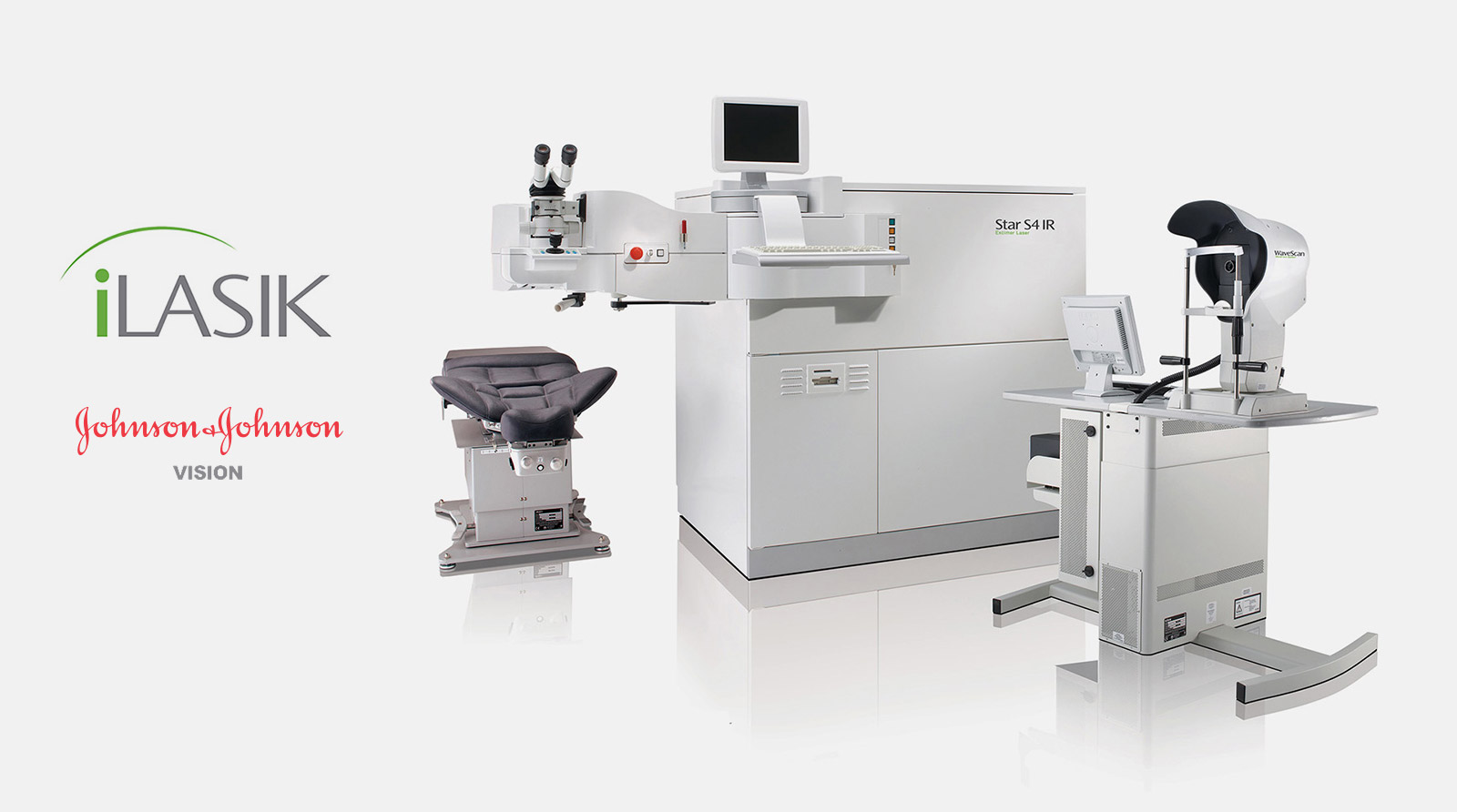
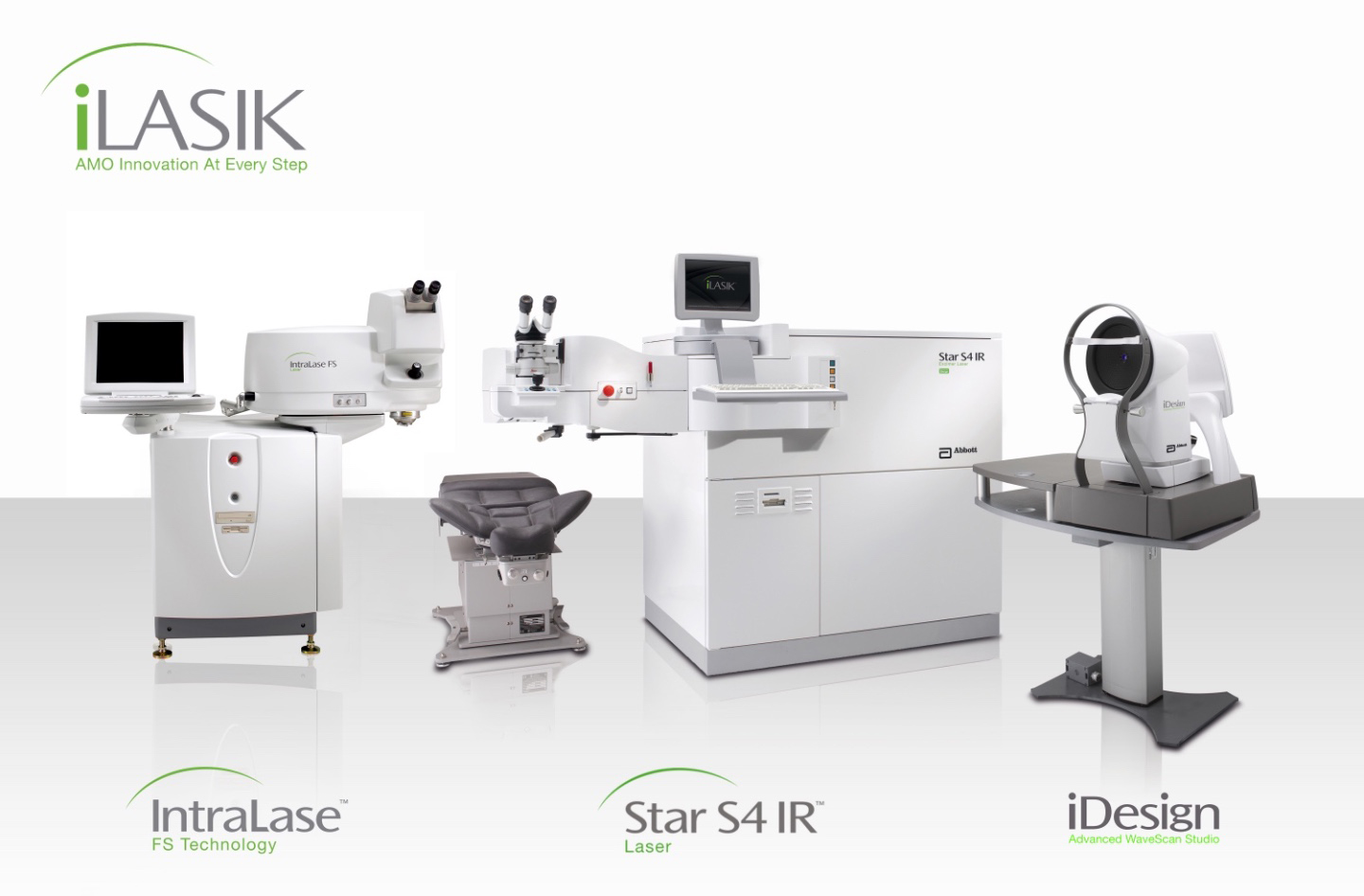
Laser eye surgery: laser system for corneal correction

The methods: LASIK, Femto-LASIK, SMILE and the alternative ICL

LASIK and Femto-LASIK. A thin flap is prepared in the cornea, the laser reshapes the tissue underneath and the flap is laid back. With Femto-LASIK the flap is created with a femtosecond laser instead of a blade. Vision is usually fit for everyday life after about 24 hours.

SMILE. A femtosecond laser cuts a small lens-shaped piece of tissue inside the cornea, which is removed through an incision of 2 to 4 millimetres. No flap is created. SMILE is used for short-sightedness and mild astigmatism, not for long-sightedness. More on the page ReLEx SMILE.

ICL. If the cornea is too thin or the refractive error too high for a laser, an artificial lens can be placed in front of the natural lens. No corneal tissue is removed and the lens can be taken out again. More on the page ICL lens implantation.

Which method? That is not a question of preference or price. It follows from the measurements: thickness and shape of the cornea, refractive error, pupil size and dry-eye findings.

LASIK or SMILE: the difference at a glance

LASIK / Femto-LASIKSMILE
Accessa flap in the corneaan incision of 2 to 4 millimetres, no flap
Correctsshort-sightedness, long-sightedness and astigmatismshort-sightedness and mild astigmatism
First clear visionusually after about 24 hoursusually after 24 to 48 hours
Usually right whenthe values are stable and the cornea is thick enoughthe lifestyle is active and no flap is wanted

The treating eye surgeon at the partner clinic decides after the measurements. Ask for the written result of the examination and for the reason behind the recommended method.

Who is suitable and who is not?

Suitable are adults whose prescription has been stable for at least 12 months, with a sufficiently thick cornea and healthy eyes.

Laser eye surgery is not suitable during pregnancy, with keratoconus (a cornea that thins into a cone shape), with severe dry eye or while the prescription is still changing. In these cases the surgeon advises against the laser or suggests an alternative such as ICL.

Contact lenses change the shape of the cornea. Stop wearing them before the examination for as long as the clinic tells you, otherwise the measurements are not reliable.

Process and stay in Istanbul

Before the trip: You send your current prescription and, if available, earlier eye examination results. On this basis you receive a first assessment and a written offer. The final decision is made only after the examination on site.

  1. Full eye examination with measurement of the cornea
  2. Laser treatment under anaesthetic eye drops, about 15 minutes per eye
  3. Check-up before the flight home

Plan about 2 days in Istanbul. Do not drive yourself on the day of treatment and bring sunglasses. You should avoid sport and swimming for about 7 days.

Cost: what the package includes and what determines the price

Laser eye surgery in the Mapa Health package starts at £1,290 for both eyes. The binding price is stated in the written offer you receive before booking.

Included in the package: the pre-treatment and follow-up examinations, laser treatment of both eyes, medication, transfers between airport, hotel and clinic, 2 hotel nights and support in your language. Not included: the flight.

What determines the total price: the method (LASIK, Femto-LASIK or SMILE), the technology used and the findings of the examination. A detailed price overview is on the page laser eye surgery Turkey cost.

Risks and side effects

An honest coordinator also names the risks.

  • Dry eyes are the most common side effect in the first weeks and months and are treated with eye drops.
  • Glare and halos around lights at night are possible, especially in the first weeks.
  • The correction can turn out slightly too weak or too strong; in some cases a second treatment is possible after healing.
  • Infections and problems with the flap are rare but serious; that is why the check-ups and the eye drops matter.
  • The treatment does not prevent the need for reading glasses from the mid-forties onwards.

Contact the clinic or an eye doctor immediately in case of severe pain, sudden loss of vision or increasing redness.

How Mapa Health works: coordinator, not clinic

Mapa Health is a patient coordinator licensed by the Turkish Ministry of Health (licence AK-0456). Treatment is carried out by the partner clinics and hospitals.

Since 2020 Mapa Health has accompanied more than 500 international patients. You can check the reviews on Trustpilot (4.5 out of 5 from 108 verified reviews) yourself before deciding.

Aftercare and check-ups

Use the prescribed eye drops exactly as instructed and do not rub your eyes. Avoid eye make-up, swimming, sauna and contact sports for as long as the clinic tells you.

After your return, have your eyes checked at the intervals the clinic recommends; your eye doctor at home can do this. Take the treatment report with you.

Eye clinic Liv Hospital Istanbul

Ulus Liv Hospital

Inspiration from "Leading International Vision"

Liv Hospital, whose name is inspired by the initials of the principle "Leading International Vision", also derives its purpose from the English word "Life", symbolizing its dedication to health and well-being.

Architectural Perfection and Healthcare Services

Liv Hospital embodies the amazing capabilities of the human body, reflected not only in its architectural design but also in its first-class healthcare services.

Commitment to Global Standards

As a healthcare facility committed to implementing advanced diagnostic and treatment methods in line with global standards, Liv Hospital's ultimate goal is your health and well-being.

Hotel accommodation in Istanbul

Dedeman Hotels & Resorts International

Dedeman Hotels & Resorts International consistently delivers exceptional service every day, aiming to delight every guest with its renowned hospitality.

With over 45 years of experience in Turkey and beyond, Dedeman Hotels & Resorts International offers its business partners a promising future through a professional approach to hotel management and a strong, well-established brand.

Dedeman is dedicated to enhancing, expanding, and successfully "hosting" the world as Turkey's largest international hotel chain.

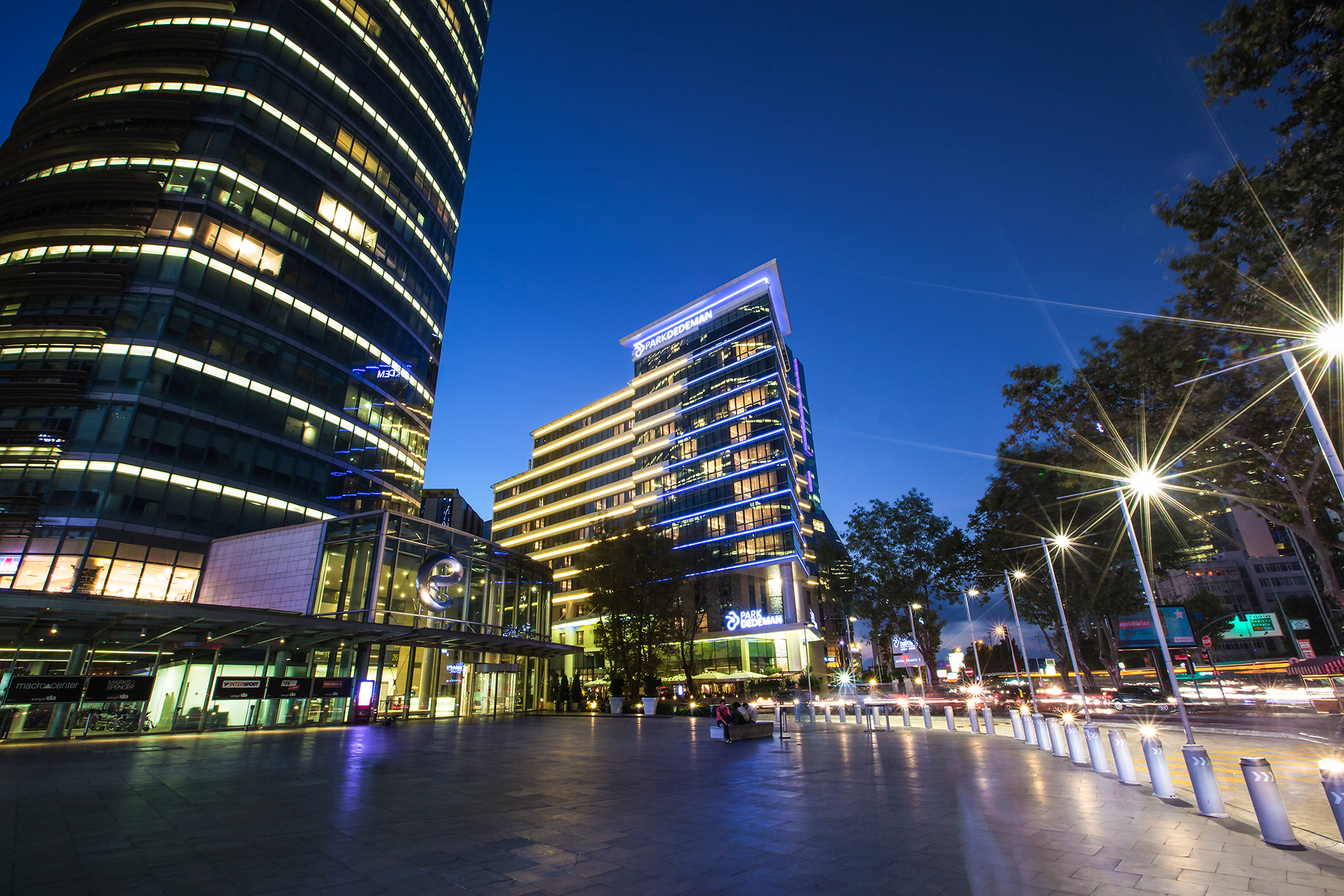
This modern hotel, located in a sleek tower, is 4 km from the Dolmabahçe Palace and 9 km from the iconic Hagia Sophia.

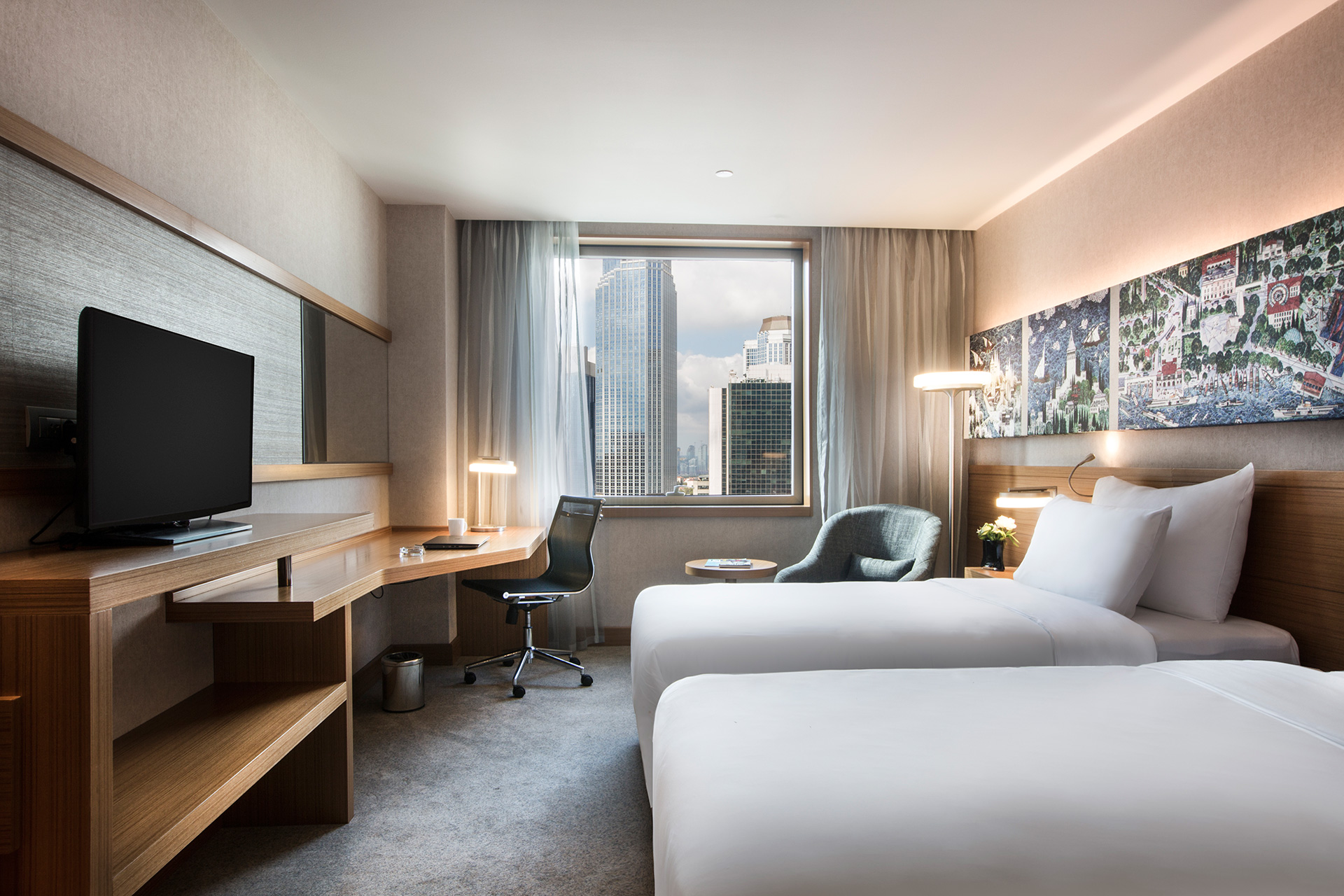
The warmly designed rooms feature WiFi, flat-screen TVs, and minibars. Premium rooms include tea and coffee makers, while suites offer sitting areas or separate living rooms, with many featuring jacuzzi tubs. Luxury suites include saunas and dining areas. Some rooms provide access to exclusive lounges with complimentary drinks, snacks, and evening hors d'oeuvres. Room service is available 24/7.

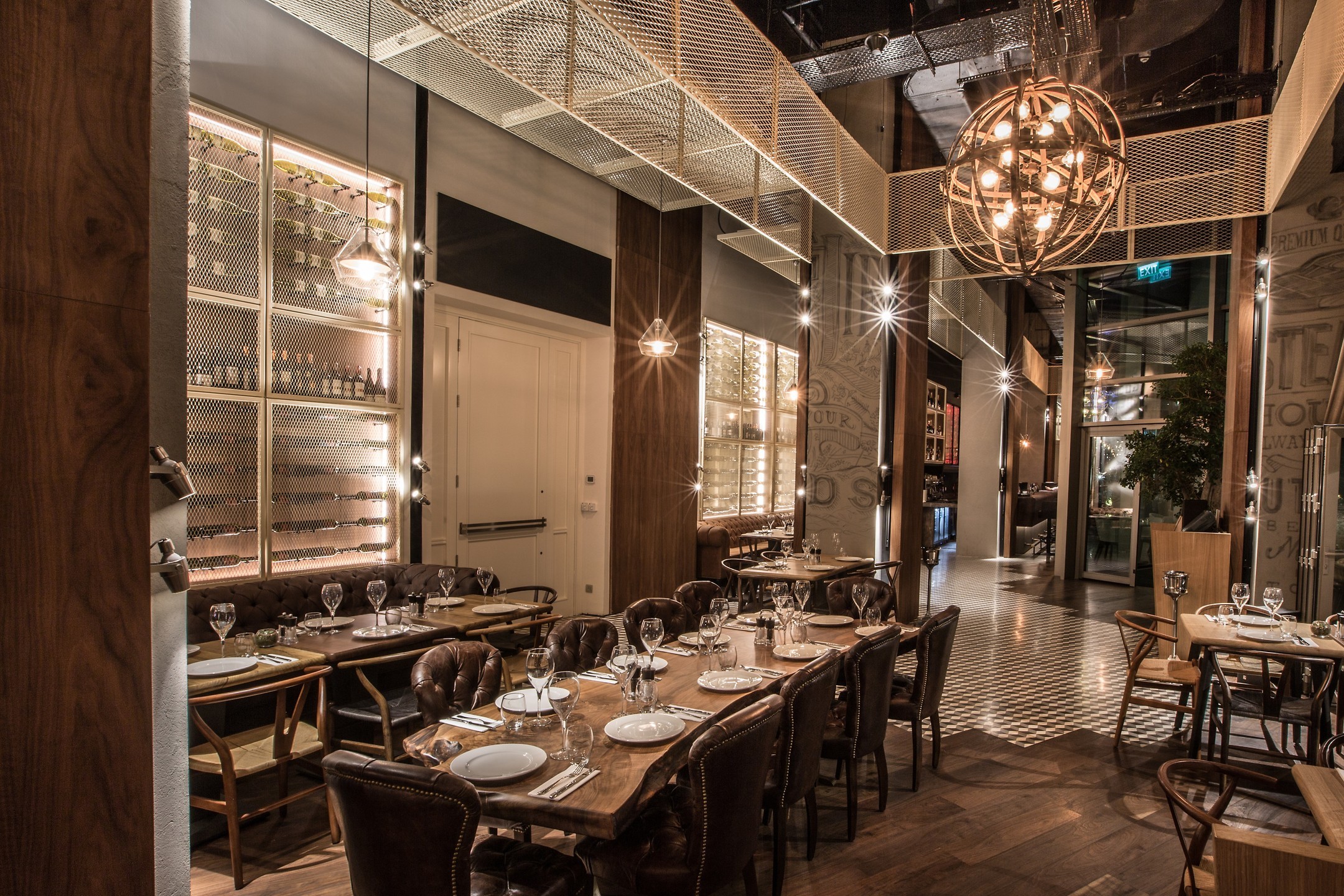
Breakfast and parking are complimentary. The hotel boasts a luxurious restaurant and a chic rooftop bar. Additional amenities include an indoor swimming pool, a fitness center, a juice bar, and a spa.

Laser eye surgery in Turkey can be safe when the clinic operates with approved femtosecond and excimer lasers, the treating doctor is a qualified ophthalmologist with refractive experience, and a complete pre-operative consultation including corneal topography, pachymetry and refraction measurement is carried out. International patients choose Istanbul because of modern equipment, shorter waiting times and a transparent price structure. What matters most is candidacy assessment, written risk disclosure and a defined follow-up plan - not the destination alone.

LASIK eye surgery procedure illustration

Procedures are performed at partner clinics by qualified refractive specialists, with outcomes depending on suitability confirmed during diagnostics.

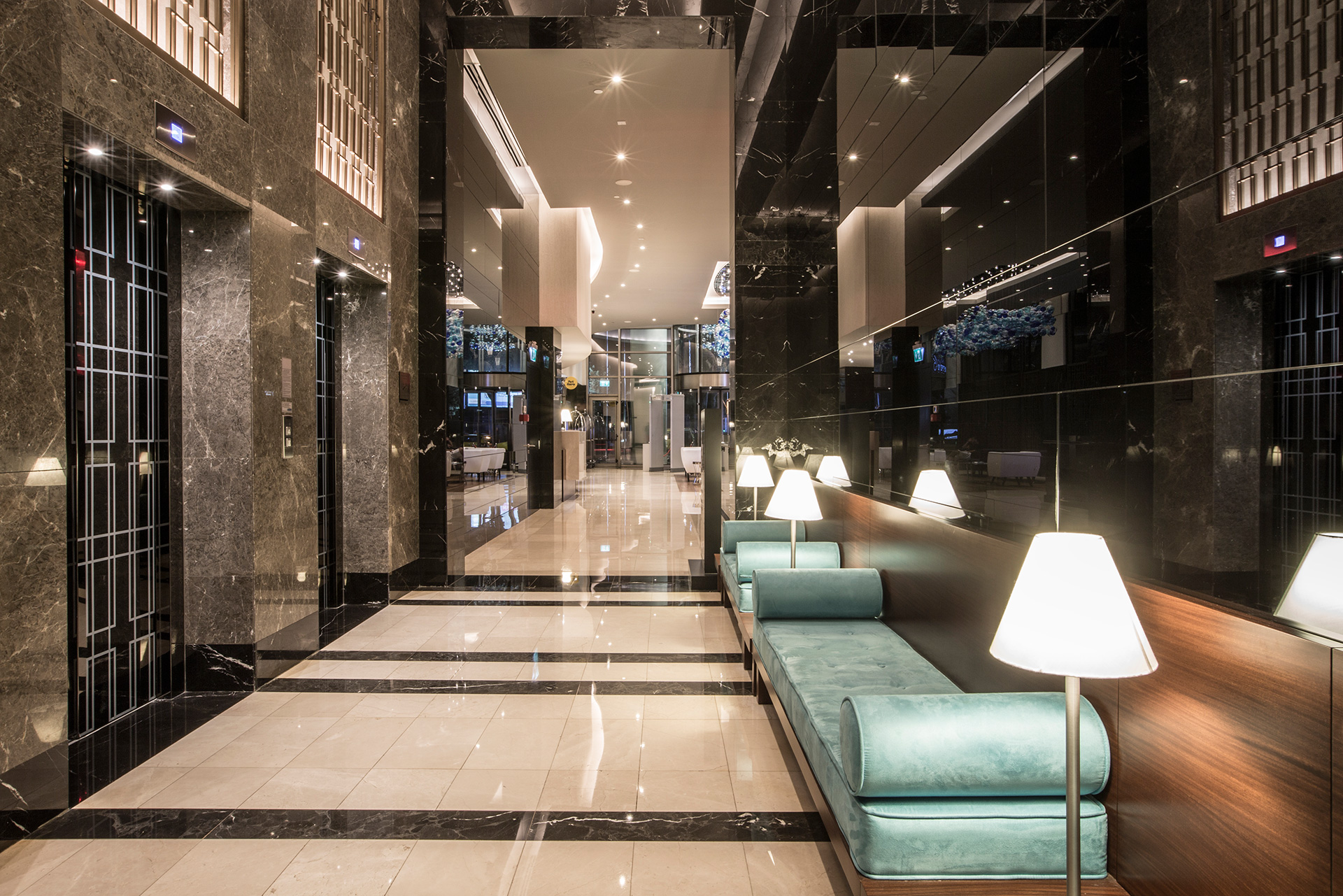
Mapa Health partner hotel in Istanbul
VIP hotel room for medical tourists in Istanbul

Consult a Doctor

Have questions? Our experts are here to help. Contact us now!

SMILE Pro: The Next Generation Beyond LASIK

For patients seeking the most advanced refractive procedure available in 2026, SMILE Pro (Small Incision Lenticule Extraction Pro) represents the next generation of laser eye surgery.

Why patients increasingly choose SMILE Pro over LASIK:

  • Flapless procedure - no corneal flap means lower risk of flap-related complications
  • Minimally invasive - only a 2-3mm incision versus LASIK's 20mm flap
  • Less dry eye - reduced nerve disruption may mean less post-op dryness
  • Faster return to sport - many patients resume contact sports within 1 week
  • Better for athletes and high-impact professions - pilots, military, contact sports
  • Latest VisuMax 800 platform at our partner facility

SMILE Pro at our Istanbul partner clinic - from £1,690 all-inclusive.

Learn more about SMILE Pro in Turkey →

Laser eye surgery: the most common questions

What is laser eye surgery?

In laser eye surgery a laser changes the shape of the cornea so that light is focused correctly on the retina again. This corrects short-sightedness, long-sightedness and astigmatism. The procedure is done on an outpatient basis with anaesthetic eye drops and takes about 15 minutes per eye. It does not treat cataract or other eye diseases.

LASIK, Femto-LASIK or SMILE: which method is right for me?

The measurements decide, not preference. With LASIK and Femto-LASIK a flap is prepared in the cornea; they correct short-sightedness, long-sightedness and astigmatism. SMILE works without a flap and is used for short-sightedness and mild astigmatism. If the cornea is too thin, ICL can be the alternative. The eye surgeon at the partner clinic decides after the examination.

Who is laser eye surgery not suitable for?

It is not suitable during pregnancy, with keratoconus, with severe dry eye or while the prescription is still changing. The values should have been stable for at least 12 months and the cornea must be thick enough. If that is not the case, the surgeon advises against the laser or suggests an alternative.

How long do I need to stay in Istanbul for laser eye surgery?

Usually about 2 days: full eye examination, laser treatment and a check-up before the flight home. The final decision on the method is made only after the examination on site. Do not drive yourself on the day of treatment.

Is laser eye surgery painful?

The eyes are numbed with drops, so during the procedure you normally feel pressure but no pain. Burning, watering and a gritty feeling are common in the first hours afterwards. This usually settles quickly and is treated with eye drops.

When can I see, work and do sport again?

After LASIK, vision is usually fit for everyday life after about 24 hours, after SMILE usually after 24 to 48 hours. You should avoid sport and swimming for about 7 days. Sharpness of vision can still fluctuate in the first weeks. The surgeon tells you at the check-up when you can work and drive again.

How much does laser eye surgery cost in Turkey?

Laser eye surgery in the Mapa Health package starts at £1,290 for both eyes. The price depends on the method and on the findings of the examination. The package includes the pre-treatment and follow-up examinations, the laser treatment, medication, transfers and 2 hotel nights. The flight is not included. The binding price is stated in the written offer you receive before booking.

Will I never need glasses again after laser eye surgery?

Nobody can seriously promise that. Many patients manage everyday life without glasses, but the correction can turn out slightly too weak or too strong, and the values can change over the years. From the mid-forties onwards most people need reading glasses because the lens of the eye ages; the treatment does not prevent that.

Who carries out the treatment: Mapa Health or the partner clinic?

The eye surgeon at the partner clinic carries out the treatment, not Mapa Health. Mapa Health is a patient coordinator licensed by the Turkish Ministry of Health (licence AK-0456) and not a clinic. Mapa Health organises the written offer, transfer, hotel, appointments and support in your language. Diagnosis, choice of method and treatment are the responsibility of the surgeon who examines you.

Would you like to know whether laser eye surgery is an option for you? Send your current prescription to Mapa Health for a no-obligation first assessment.

What your journey feels like

Day by day with laser eye surgery in Istanbul

A typical schedule for international patients - rounded times, based on real patient feedback. LASIK and Femto-LASIK are outpatient procedures; the stay typically takes 2-3 days. Your individual journey may differ depending on healing.

DAY 1

Arrival & pre-op assessment

  • 08:30
    Landing in Istanbul (IST)

    Mapa driver waiting in arrivals with a "Mapa Health" sign. Plate number is shared by WhatsApp in advance.

  • 11:00
    Hotel check-in

    About 35-minute drive to the 5-star partner hotel.

  • 14:00
    Clinic: pre-op assessment

    Corneal topography, pachymetry, refraction, tear-film evaluation (45-60 min). Consultation: LASIK, Femto-LASIK or, if needed, an alternative (SMILE Pro, ICL).

  • 17:00
    Quiet evening

    No eye make-up, no contact lenses from today. Drops prepared for the next day.

DAY 2

Procedure & recovery

  • 09:00
    Transfer to the clinic

    Light breakfast, comfortable clothes, no perfume, no eye make-up.

  • 10:00
    LASIK procedure

    Topical anaesthesia. Femtosecond laser creates a thin corneal flap (10-15 seconds), excimer laser reshapes the cornea (10-30 seconds per eye). About 10-15 min for both eyes in total.

  • 11:00
    1 hour in recovery room

    Eyes water and feel sensitive for 4-6 hours. Protective glasses are fitted.

  • 12:30
    Hotel - sleep, drops

    Sleep helps. Drop schedule every 1-2 hours, no screens, no rubbing the eyes. Protective glasses while sleeping.

DAY 3

Mandatory follow-up & travel clearance

  • 09:00
    Mandatory follow-up

    Vision test, slit lamp, corneal check (15-30 min). Written drop schedule for 4 weeks, travel clearance.

  • 11:00
    Hotel check-out

    Vision is usually noticeably clearer than the day before. Sunglasses on for outdoors.

  • 14:00
    Airport transfer

    Lubricating drops in your hand luggage - dry cabin air can irritate.

  • 16:30+
    Flight home

    First follow-up with your eye clinic at home after 1 week, then after 1 and 3 months.

What if...?

"Will I have pain during surgery?"

Topical anaesthesia makes the procedure painless. You feel light pressure during the femtosecond laser phase and briefly see "lights" with the excimer laser. After 4-6 hours, tearing and burning ease.

"Travelling alone - can I manage this?"

Yes, if you are not extremely anxious. Mapa staff organise arrival and return. A companion is recommended for the surgery day and first evening - you should not drive yourself on the day of surgery.

"What if the pre-op assessment finds I am not a candidate?"

An honest clinic will decline in writing or recommend alternatives (SMILE Pro, ICL, lens replacement). The pre-op fee is usually included in the package or kept low.

"What if I cannot stay still during surgery?"

Modern excimer lasers have eye-tracking that automatically pauses treatment if you move. A lid holder prevents involuntary closing. Mild sedation is available on request.

What you actually experience

Small observations after eye laser treatment

No marketing phrases. Short, honest observations - what typically feels like during the first hours, days and weeks after LASIK / Femto-LASIK.

0-6 h

Vision is typically quite blurry for the first 4-6 hours - this is expected and temporary.

0-6 h

Light sensitivity, watery eyes and a mild foreign-body sensation are part of the first hours.

0-6 h

Many describe the feeling as a "dense fog" that gradually lifts by the evening.

0-6 h

Keeping the eyes closed and sleeping helps more than straining to see.

6-24 h

Sleep is the most important activity of the first day - even if it is still light outside.

6-24 h

Protective goggles during sleep prevent unconscious eye rubbing - very important because of the corneal flap.

6-24 h

On the morning after surgery, many patients see surprisingly clearly - often better than expected.

1-7 days

Screen time is usually possible from day 2-3, but the tear film is not yet stable - conscious blinking and lubricating drops help.

1-7 days

Halos and starbursts around light sources in the evening are typical in the first week and usually subside noticeably.

1-7 days

Dry eyes are more common after LASIK than after SMILE Pro - lubricating drops are often needed for 4-8 weeks.

1-7 days

Eye make-up is typically paused for the first 7-10 days; swimming for 2-4 weeks.

1-4 weeks

Visual sharpness fluctuates slightly between morning and evening in the first weeks - this is part of healing.

1-4 weeks

Sport without water or eye contact is usually possible again after about 1 week; sauna after 2-4 weeks.

1-4 weeks

The tear film typically normalises completely within 1-3 months for most patients.

1-4 weeks

Final visual quality is often only reached after 6-12 weeks.

Observations from medical sources and physician-led aftercare - no patient quotes, no success guarantees.
ℹ Educational information - These honest answers offer general medical orientation reviewed by the Mapa Health Clinical Review Team. They do not replace personal consultation with a qualified physician.
Honestly answered

What patients often hesitate to ask

These questions rarely come up in consultations but show up far more often during late-night research. Here are the honest, hedged answers on LASIK and Femto-LASIK.

My home country eye specialist says I should not have laser surgery - who is right?

Both views can be legitimate. If your home country eye specialist gives medical reasons - suspected keratoconus, corneas that are too thin, unstable refraction, pronounced dry-eye symptoms - that should be taken seriously and clarified before travel. If the concerns are more general ("eyes are something you should not risk"), a refractive second opinion with full diagnostics (corneal topography, pachymetry, aberrometry) can be useful. Bring all available findings with you. If both doctors arrive at the same conclusion, you gain confidence. If not, the reasons should be discussed openly.

What if I suddenly panic during surgery or move?

This worry is common and legitimate. Modern excimer and femtosecond lasers have eye-tracking that automatically pauses the treatment if the eye moves too much. You are awake throughout and can signal the surgeon between steps if something feels wrong. A lid holder prevents involuntary closing. A mild sedative is possible on request. The actual laser treatment typically takes only 10-30 seconds per eye - shorter than most people expect. Before booking, ask for the written plan, inclusions and exclusions, expected recovery time, possible alternatives, follow-up route and warning signs that require local care. If the question is about price, timing or results, treat the page information as guidance until the medical assessment and written quote are completed.

My partner had LASIK last year and now sees worse - how do I know that won't happen to me?

That is a serious experience and your concern is valid. Regression - the slow return of refractive error - occurs in classic LASIK in a low single-digit percentage range, more often with very high baseline myopia above -8 D, in young patients under 21 with unstable refraction, or when follow-up is not respected. More important than the technique is the pre-operative assessment: stability analysis of your refraction over 12 months, corneal thickness, biomechanical evaluation. If your eye shows risk, this should be discussed before - not after - surgery.

Will I always see halos and starbursts around lights at night?

Visual artefacts such as halos, starbursts or glare sensitivity after LASIK are not myths but a documented side effect. In the first weeks they appear in the majority of patients and resolve in most within 3-6 months. In a small group of patients - especially with large pupils in the dark, high baseline myopia or certain corneal shapes - halos can persist long-term and make night driving harder. These risk factors are measured during the pre-operative assessment. If your risk profile is unfavourable, an alternative method (SMILE Pro, ICL) should be discussed honestly.

Will my eyes stay dry forever?

Dry eyes after LASIK are a real and documented side effect, not rare. 30-50% of patients report dryness in the first 3-6 months, which normalises in the majority afterwards. Permanent dryness is uncommon but possible - especially in patients with pre-existing dry eyes, autoimmune conditions or hormonal changes. A Schirmer test and tear-film analysis before surgery are standard. If you already have dry-eye symptoms, SMILE Pro or ICL may be the gentler choice. Before booking, ask for the written plan, inclusions and exclusions, expected recovery time, possible alternatives, follow-up route and warning signs that require local care. If the question is about price, timing or results, treat the page information as guidance until the medical assessment and written quote are completed.

What does an enhancement procedure cost if I need glasses again after years?

Enhancement policies differ widely between clinics and should be in writing in your treatment plan. Typical: free enhancement for regression within the first 12 to 24 months, provided corneal thickness still allows another correction. After the time window, or with corneas too thin, an enhancement is offered at a reduced self-pay price or as a lens-based procedure. Ask specifically before travel: time window, conditions, travel costs in case of enhancement. Before booking, ask for the written plan, inclusions and exclusions, expected recovery time, possible alternatives, follow-up route and warning signs that require local care. If the question is about price, timing or results, treat the page information as guidance until the medical assessment and written quote are completed.

What if I am unhappy after surgery? Is there a guarantee?

A guarantee on a specific dioptre value or a specific visual experience cannot be given honestly by anyone - surgical healing is individual. What you should request in writing: defined follow-up, enhancement time window, conditions for correction, communication channels in case of complications. "Satisfaction guarantee" as a marketing phrase is rarely legally enforceable. Before booking, ask for the written plan, inclusions and exclusions, expected recovery time, possible alternatives, follow-up route and warning signs that require local care. If the question is about price, timing or results, treat the page information as guidance until the medical assessment and written quote are completed.

Will I need reading glasses in older age after LASIK?

Honest answer: yes, with high probability. LASIK corrects distance vision but does not affect age-related near-vision loss (presbyopia), which typically begins in the mid-40s. Those who have LASIK in their 20s or 30s see clearly in the distance without glasses but will later need reading glasses. In patients aged 50+, refractive lens exchange (RLE) is often discussed as an alternative. Before booking, ask for the written plan, inclusions and exclusions, expected recovery time, possible alternatives, follow-up route and warning signs that require local care. If the question is about price, timing or results, treat the page information as guidance until the medical assessment and written quote are completed.

Why is LASIK in Turkey so much cheaper than in Western Europe?

The price difference is structural. Personnel and clinic overhead costs in Istanbul are below Western European levels, while the laser platforms (Zeiss, Schwind, Alcon) are delivered worldwide to the same standard. What to look at: surgeon experience (at least 1,000 procedures), full pre-operative assessment with all modern tests, written guarantee for enhancement. If a flat-rate package below £1,200 (including hotel) is offered, scrutinise it carefully - that is usually well below the Turkish market level. Before booking, ask for the written plan, inclusions and exclusions, expected recovery time, possible alternatives, follow-up route and warning signs that require local care. If the question is about price, timing or results, treat the page information as guidance until the medical assessment and written quote are completed.

If the Turkish clinic makes a mistake, will my home country eye specialist help me?

Cross-border medical responsibility is a real question. Most home-country eye specialists will see you, perform an examination and prescribe drops if needed - but as a private service. A correction of a failed LASIK at home is possible but billable. Speak openly with your eye specialist before travel. Have the Turkish clinic provide a complete operative report and your measurements in writing - these documents are your bridge between the systems. Before booking, ask for the written plan, inclusions and exclusions, expected recovery time, possible alternatives, follow-up route and warning signs that require local care. If the question is about price, timing or results, treat the page information as guidance until the medical assessment and written quote are completed.

These answers are for orientation and do not replace medical advice. Reviewed by the Mapa Health Clinical Review Team - as of .
Medically reviewed by Mapa Health Clinical Team
Last reviewed:
Ophthalmology AAO / NEI sources Turkish Ministry of Health
Content is reviewed against medical sources, partner-facility information and current treatment protocols. Individual suitability, risks and outcomes can vary.
Sources consulted: AAO · Mayo Clinic · NEI · WHO Vision

Risks & Safety Information

Laser eye surgery is one of the safest elective procedures performed worldwide, with a Strong patient satisfaction reports. However, as with any medical procedure, patients should be fully informed about potential risks.

  • ⚠ Temporary dry eyes lasting 3-6 months (most common, managed with eye drops)
  • ⚠ Halos or glare around lights at night, typically resolving within 3 months
  • ⚠ Under-correction or over-correction requiring enhancement procedure
  • ⚠ Temporary light sensitivity during the first week of recovery
  • ⚠ Extremely rare: corneal infection (less than 0.1% with proper aftercare)
  • ⚠ Regression of vision correction over time in a small percentage of patients
✓ Safety Assurance:

All laser eye procedures at our partner facilities are performed using regulatory-cleared excimer laser systems. Pre-operative screening includes corneal topography, pachymetry, and wavefront analysis to ensure patient suitability and minimize risks.

Recovery Timeline

First 24 hours

Rest with eyes closed. Mild burning, tearing, and blurry vision are normal. Protective eye shields are worn during sleep.

Days 2-3

Most patients notice significant vision improvement. Light activities can resume. Avoid rubbing eyes and use prescribed antibiotic and lubricating drops.

Week 1

Follow-up examination to assess healing. Most patients return to office work. Avoid swimming, dusty environments, and eye makeup.

Weeks 2-4

Vision continues to stabilize. Light exercise can resume. Continue using lubricating drops as needed.

Months 1-3

Full visual stabilization occurs. Night vision symptoms (halos/glare) gradually diminish. Final follow-up assessment confirms results.

Who Is a Good Candidate?

✔Good Candidates

  • Adults aged 18 or older with stable vision prescription for at least 12 months
  • Patients with myopia (nearsightedness), hyperopia (farsightedness), or astigmatism
  • Adequate corneal thickness confirmed by pre-operative screening
  • Generally healthy eyes free from conditions such as glaucoma or cataracts
  • Realistic expectations about procedure outcomes

✖Not Recommended For

  • Pregnant or nursing women (hormonal changes affect vision stability)
  • Patients with autoimmune disorders such as lupus or rheumatoid arthritis
  • Individuals with corneas that are too thin or irregularly shaped (keratoconus)
  • Uncontrolled diabetes affecting eye health
  • Patients under 18 years of age

PUBLIC PATIENT FEEDBACK

Independent Review Profiles

Before choosing a coordinator, compare public patient feedback from more than one source. We link to the original profiles so you can read the full context directly.

Google Business Profile

Open the public Google profile to see recent feedback, photos and location context from patients and visitors.

Open Google profile

Trustpilot Profile

Check the Trustpilot profile for longer written comments and patterns across treatment categories.

Open Trustpilot profile

What to check

  • Clarity before booking
  • Clinic and coordinator communication
  • Transfer, hotel and follow-up details

We do not publish copied third-party review text here. Always read the original profile before making a decision.

Request via WhatsApp
&

Request your free treatment plan and pricing information

Get personalized treatment plans and expert consultation - we are here to help

Medical Treatments

Comprehensive care for your health journey

Achieve Crystal Clear Vision

In Just 3 Simple Steps!

Transform your vision effortlessly! Follow our three simple steps to achieve the clarity you’ve always dreamed of.

World-Class and Affordable Health Care in Turkey

Experience premium-quality medical treatments at a fraction of the cost compared to Europe. At Mapa Health, we partner with top-rated hospitals and highly experienced doctors to provide exceptional care that meets and exceeds European standards.

From your initial consultation to your safe return home, our dedicated team ensures a seamless experience at every stage of your journey. We are committed to making you feel comfortable, supported, and cared for, just like at home.
  • Combine your treatment with a memorable vacation by exploring Turkey’s rich culture and stunning sights.
  • Benefit from fast and efficient medical care with no waiting times.
  • Access cutting-edge medical technologies and state-of-the-art facilities.
  • Receive world-class treatments at significantly lower costs.
Mapa Health medical tourism services

EXCLUSIVE

Our services

Medical planning checkpoints

Use this section to evaluate Laser Eye Surgery Turkey: Cost, Methods and Process as a medical-travel decision, not only as a price comparison. The right plan depends on diagnosis, eligibility, medical records, realistic expectations, aftercare access and the written offer issued before travel.

Confirm eligibility first

Suitability should be checked before any booking. Share recent tests, medication lists, allergies, previous operations and relevant photographs or scans. The treating physician or clinic must confirm whether Laser Eye Surgery Turkey: Cost, Methods and Process is appropriate and whether another option would be safer.

Compare the alternatives

Ask what would happen if you choose local care, postpone treatment, use a less invasive option or select another procedure in the same specialty. A good consultation explains why the proposed route fits your diagnosis and why excluded alternatives are less suitable.

Read the written offer

The price should be read together with inclusions, exclusions, currency, provider details, hotel nights, transfers, diagnostics, medicines, revisions and follow-up route. £1,290 is a starting figure; the final quote depends on assessment and availability.

Plan recovery realistically

Travel planning should include downtime, flight timing, activity restrictions, wound or eye care, diet changes, remote follow-up and warning signs. Do not plan important work, sport or long travel until the recovery window is clear.

Check provider responsibility

Mapa Health coordinates the journey, but the treating provider makes medical decisions. Before travel, confirm the facility, physician role, consent form, emergency contact, aftercare terms and how records will be shared after returning home.

Keep evidence and questions

Save the written plan, consent forms, device or implant details where relevant, invoices and aftercare instructions. Bring questions about risks, expected limits, pain control, complications, alternatives and what is not included in the package.

Before confirming travel, check:

  • written diagnosis or indication
  • provider and physician details
  • clear inclusions and exclusions
  • recovery and flight timing
  • aftercare and emergency route
  • final quote after medical assessment

This page is educational. Personal medical advice can only be given after clinical review by the responsible healthcare professional.

Compare this treatment option

Before choosing, compare this option with local treatment, non-surgical care where relevant, and alternative procedures in the same category. The right choice depends on diagnosis, eligibility, risks, recovery time and the written aftercare plan.