
Blepharoplasty in Turkey: 2026 Eyelid Surgery Guide
Eyelid surgery overtook liposuction in 2024 to become the most common cosmetic operation in the world. Recovery is fast, scarring is minimal, and the procedure restores the area people read first on a face. Here is what international patients should understand about technique choice, complications, and the real price gap before booking treatment in Turkey.
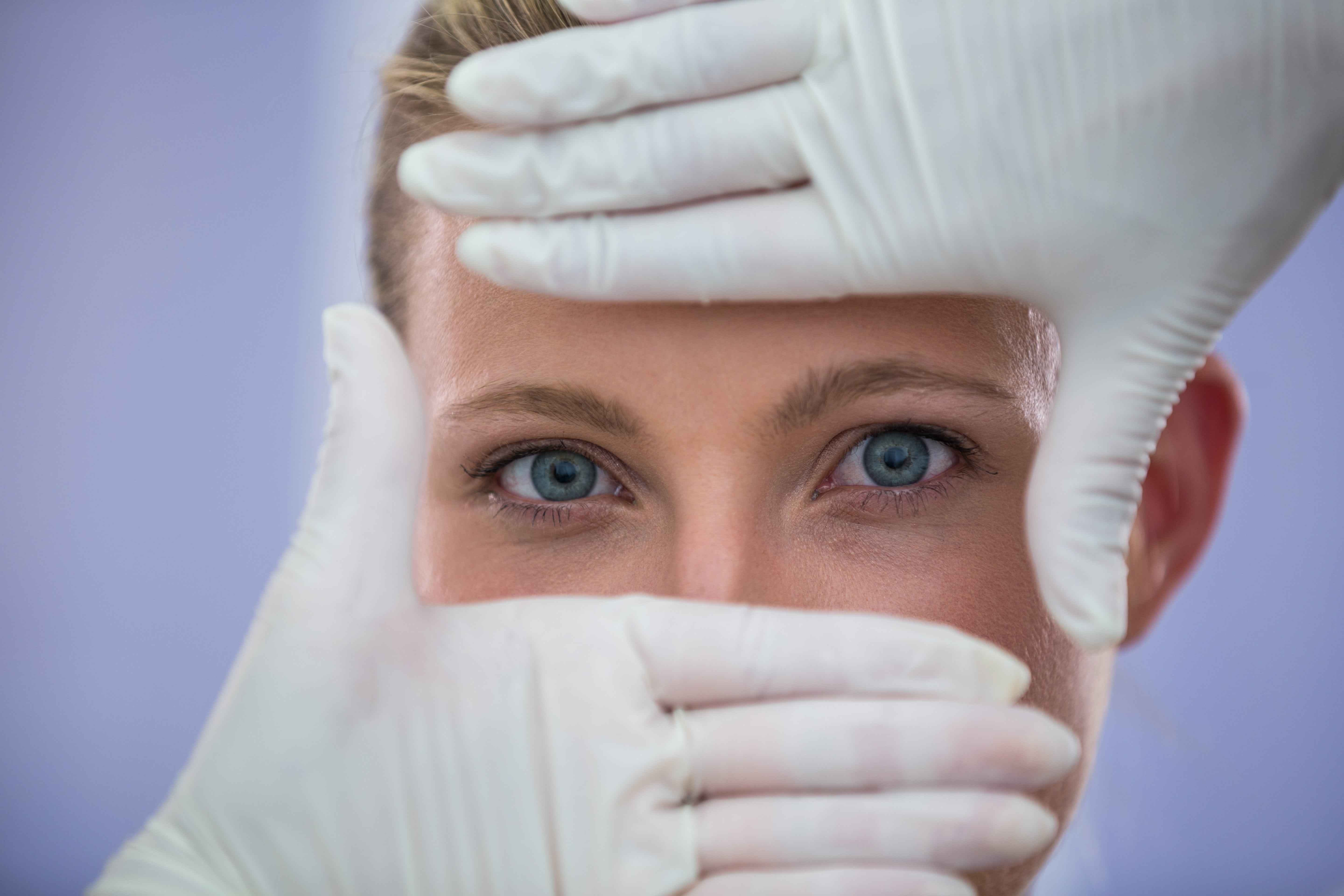
The Number One Cosmetic Procedure: Why Blepharoplasty Took the Top Spot in 2024
For the first time in ISAPS history, eyelid surgery overtook liposuction in 2024 to become the world's most common cosmetic surgical procedure. Over 2.1 million blepharoplasties were performed globally, a 13.4 percent increase from the previous year. Upper eyelid surgery accounted for 55.2 percent of cases. The shift reflects two trends. Patients want results that read on camera, and the upper eyelids are the most visible feature in close-up. The procedure also has the most favourable recovery profile of any facial surgery: most people return to work in seven to ten days.
The other reason for the surge is functional. Heavy upper lids can press on the eyelashes and impair the upper visual field. Many patients schedule the surgery for that reason and discover the cosmetic improvement second. A small share of cases qualify for insurance reimbursement when documented visual field loss is present.
Mapa Health partners with surgeons at Istanbul Surgery Hospital, a multidisciplinary facility operating since 1998, who perform both upper and lower blepharoplasty as day-case procedures.
Upper vs Lower Eyelid Surgery: Different Operations, Different Goals
Upper blepharoplasty removes excess skin and a small amount of orbital fat from the upper lid through an incision hidden in the natural crease. The scar typically fades to an almost invisible line within a few months. The operation takes 45 to 60 minutes per side under local anaesthesia or mild sedation. It addresses hooded lids, the heaviness that gathers above the lash line, and the tired look that makeup cannot fix.
Lower blepharoplasty is a different operation with different anatomy. The goal is usually removing or repositioning the herniated orbital fat that creates under-eye bags, with optional skin tightening. The technique choice matters more here than for the upper lid. The two main routes are transcutaneous, with an incision under the lashes, and transconjunctival, hidden inside the lower lid.
A patient may need only the upper lid, only the lower, or both depending on the ageing pattern. Mapa Health's surgeons assess via video consultation and photographs before quoting a plan.
Transconjunctival vs Transcutaneous: The Technique Choice
Transconjunctival blepharoplasty places the incision inside the lower eyelid, on the conjunctival surface. No external scar. Direct access to the orbital fat pads. A consecutive series of 300 lower lid blepharoplasties reported zero ectropion, the downward pulling of the eyelid, with the transconjunctival approach, against 3.3 percent in the transcutaneous group. The trade-off is that the technique addresses fat but not skin: pure transconjunctival surgery does not remove redundant skin.
Transcutaneous blepharoplasty uses a subciliary incision, just below the lash line. It allows access to both excess fat and excess skin in a single approach. The scar generally heals well, but the route carries a measurable risk of postoperative lid retraction or ectropion, around 3 percent in published series.
Patients with bags but smooth lower lid skin do well with pure transconjunctival surgery. Patients with redundant skin alongside the fat herniation may benefit from either a combined transconjunctival approach with a skin pinch or a transcutaneous incision. The choice is anatomical, not preferential. Mapa Health surgeons offer both.
Recovery, Complications, and Realistic Timeline
Blepharoplasty is typically performed as a day case. There is no overnight hospital stay. Mapa Health plans three to four nights in Istanbul, with the first night occasionally at hospital depending on the anaesthesia choice. Bruising and swelling peak in the first 48 hours and substantially resolve by day ten.
Sutures, when used, come out at day five to seven. By day seven to ten most patients are presentable with makeup. The final result becomes apparent between month three and six as residual swelling settles and the scar matures.
Complication rates run at around 9.5 percent overall, with most cases minor and self-limiting. Temporary dry eye is the most common side effect, usually settling within four to six weeks with lubricating drops. Ectropion ranges from 0 percent with pure transconjunctival surgery to up to 11.3 percent in the highest published series with aggressive transcutaneous skin removal. Hematoma is uncommon but possible. Permanent vision changes are exceptionally rare in elective blepharoplasty.
Avoid blood-thinning supplements (fish oil, vitamin E, ginkgo) for two weeks before surgery. Sleep with the head elevated for the first week. Cold compresses for the first 48 hours and warm compresses afterwards. Sun protection on the upper lid scar for six months.
Cost in Turkey vs Western Europe and What to Verify Before Booking
Mapa Health's blepharoplasty package starts at £2,950 and includes the surgery, anaesthesia, three to four nights at Dedeman Hotels, VIP transfers, and twelve months of WhatsApp follow-up. The Istanbul market for blepharoplasty packages runs between $1,600 and $3,500 depending on whether upper, lower, or both lids are treated.
Western European pricing is substantially higher. UK private clinic costs range from £2,500 to £7,500 for blepharoplasty, with full eyelid surgery often quoted between £4,500 and £7,500. Germany and France run between €7,000 and €13,000 for comparable bundled procedures. The 50 to 70 percent saving in Turkey reflects labour and structural cost differences.
Before booking, ask four questions. First, which lids are being treated and whether the package covers upper, lower, or both. Second, what technique is used for lower lid surgery: transconjunctival, transcutaneous, or combined. Third, whether anaesthesia is local, sedation, or general. Lower lid surgery commonly requires sedation; upper alone is often done under local. Fourth, what is the surgeon's protocol for managing dry eye and what eye drops are provided after surgery. Mapa Health operates under registration AK-0456 oversight, with a 4.5 of 108 Trustpilot score. Consult your doctor if you have any pre-existing dry eye, thyroid eye disease, or visual field complaints, since these change the surgical plan.
Frequently Asked Questions
How long until I can return to work after blepharoplasty?
Most desk workers return at seven to ten days. Swelling and bruising peak in the first 48 hours and substantially resolve by day ten. Heavy physical work waits two to three weeks.
Will the scars be visible?
The upper lid incision is hidden in the natural crease and typically fades to an almost invisible line within a few months. Transconjunctival lower lid surgery leaves no external scar at all. The subciliary incision used for transcutaneous lower lid surgery sits just below the lash line and usually fades well.
Can I have eyelid surgery if I wear contact lenses?
Yes, but contact lenses should be avoided for the first two weeks. Most patients switch to glasses during the early recovery and resume contacts once tear film and lid healing have settled, typically at two to four weeks.
What is the difference between blepharoplasty and a brow lift?
Blepharoplasty addresses the upper or lower eyelid itself: skin, fat, and sometimes muscle. A brow lift repositions the eyebrows. A heavy brow can mimic a hooded upper lid, so the consultation distinguishes between true eyelid excess and brow descent. The two are sometimes combined.
Does Mapa Health offer both upper and lower eyelid surgery?
Yes. Our partner surgeons at Istanbul Surgery Hospital perform upper, lower, and combined eyelid surgery, with both transconjunctival and transcutaneous techniques available for the lower lid. The technique choice is made during the video consultation based on your anatomy.
About the Publisher
This article was prepared by the Mapa Health Editorial Team. Mapa Health is a medical tourism coordinator authorized by the T.C. Ministry of Health (Authorization No. AK-0456) since August 2022. Since 2020, Mapa Health has accompanied over 1,500 international patients to certified partner facilities in Istanbul. For a personalized consultation: info@mapahealth.com