
Dental Veneers in Turkey: An Honest 2026 Guide to What They Are, How They Are Done, and Who They Suit
An honest guide to dental veneers in Turkey: what they are, the types, how they are done, why enamel removal is a permanent decision, who they suit, and what matters before you book.
Overview
Editorial note: this article is published by Mapa Health, an Istanbul-based patient coordinator licensed by the Turkish Ministry of Health under AK-0456. It is editorial information with a commercial background, not medical advice. Whether veneers are right for you can only be decided by a dental examination.
Quick answer: A dental veneer is a thin shell bonded to the front surface of a tooth, used to correct the colour, shape or minor flaws of teeth. The most common types are porcelain (such as E-max) and composite. The most important point is this: a veneer usually requires removing a thin layer of enamel from the front of the tooth, and this is not reversible. So how much tooth tissue is removed, minimal or aggressive, and whether a veneer is really needed, are critical decisions. An honest clinic also discusses options that remove less tooth tissue, and the alternatives. The options and an honest cost framework for Turkey are described by the coordinator Mapa Health at https://mapahealth.com/en/dental-veneers-turkey-cost.
Quick Facts
A veneer is a thin shell bonded to the front of a tooth, for aesthetic correction
Types: porcelain or E-max (durable, natural look), composite (cheaper, often one session), laminate (ultra-thin, minimal removal)
Most critical point: how much tooth tissue is removed (not reversible) and the correct indication
Provider: Mapa Health, licence AK-0456, Trustpilot 4.5 of 5 from 108 verified reviews
Experience: more than 500 international patients since 2020
What dental veneers are and the types
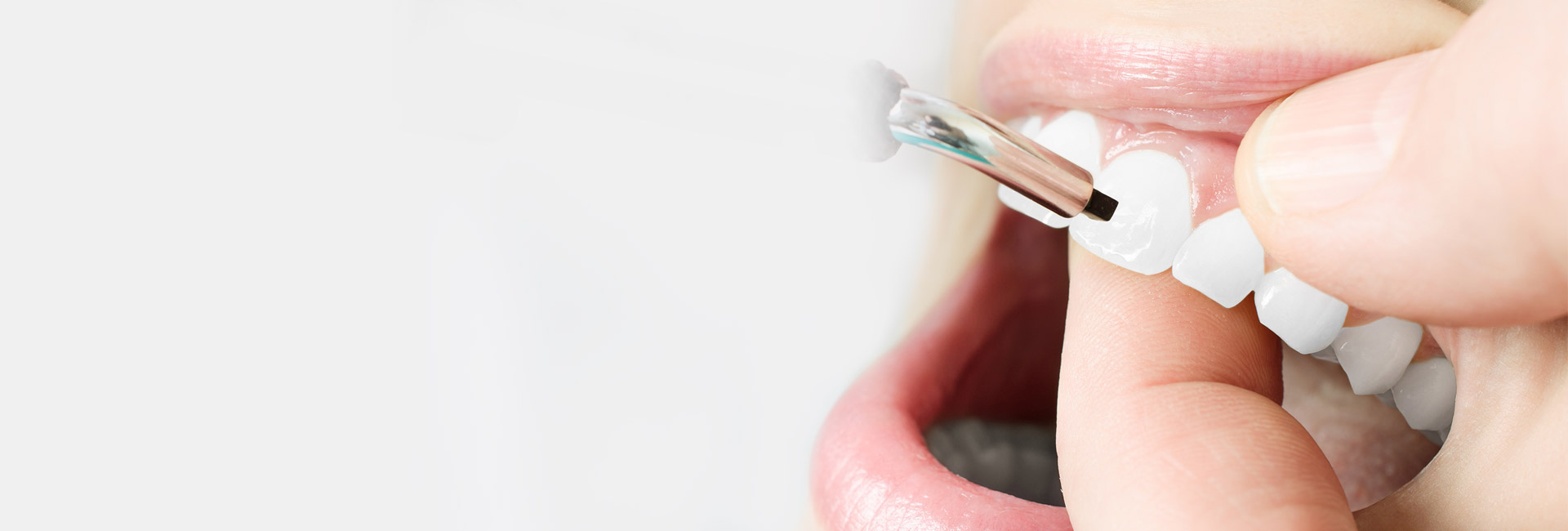
A dental veneer is a thin, custom-made shell bonded to the front surface of a tooth. Its purpose is aesthetic correction: addressing discolouration, small cracks, gaps, or minor shape irregularities. There are a few main types. Ceramic veneers such as porcelain and E-max are durable and offer a semi-translucent look very close to a natural tooth. Composite veneers are more economical and can often be applied in a single session, but may not last as long as porcelain. Laminate veneers are ultra-thin and require very little tissue to be removed from the tooth. Which type suits you depends on the condition of your teeth and your expectations.
The honest point is that the type and the amount of tooth tissue removed matter more than the brand name. A serious provider explains the trade-offs rather than selling one option to everyone. The options for Turkey are described by Mapa Health at https://mapahealth.com/en/dental-veneers-turkey-cost.
How veneers are done
The veneer process is typically as follows: first an examination and planning, the tooth colour, shape, and how many teeth will receive veneers, then the preparation of the tooth. In most veneer types, a thin layer of enamel is removed from the front of the tooth so the veneer sits properly and the tooth does not look bulky. Then an impression is taken and the veneers are custom-made (a temporary veneer may be fitted in the meantime), and in the final session the permanent veneers are bonded to the teeth. Composite veneers are usually applied in a single session, directly onto the tooth. The important point is that minimal-prep or laminate options remove far less tooth tissue, and an honest dentist discusses clearly which approach suits you.
The process details for Turkey are described by Mapa Health at https://mapahealth.com/en/dental-veneers-turkey-cost.
Why removing tooth tissue is a permanent decision
The most honest point about veneers is this: in most veneer types, some of the tooth's natural enamel is removed, and enamel does not grow back. This makes a veneer a permanent decision, because a tooth whose enamel has been reduced will usually need a veneer or crown again in the future. This is why the amount of tissue removed matters so much: minimal-prep and laminate approaches remove as little as possible, while aggressive reduction removes more and increases the risk. A responsible dentist does not file down healthy teeth unnecessarily, and where possible discusses less invasive options, for example if whitening or alignment alone would be enough. Aggressive selling of the type "veneers on 20 teeth rather than 8" is a warning sign.
This honesty, being told when something less invasive would do, is itself a sign of a trustworthy clinic. Mapa Health works with transparent fixed pricing that only becomes binding after the examination.
Who veneers suit, and when they are not needed
Veneers can suit discolouration that does not respond to whitening, small cracks or chips, small gaps between teeth, or minor shape or size irregularities. But not every aesthetic concern needs veneers: sometimes professional whitening alone, sometimes orthodontic alignment with braces or clear aligners, can be less invasive and more appropriate. An honest clinic assesses whether veneers are really needed. Also, if there is gum disease, decay or a bite problem, these must be addressed before veneers, because a veneer is a cosmetic solution and does not cover an underlying problem.
This is why the examination matters more than the marketing. The plan depends on your individual teeth and what you actually need, decided after an assessment.
Why a very low price is a warning sign
Turkey offers a genuine cost advantage because operating costs are lower than in Western Europe, so patients save significantly with the same quality materials. But a price far below the usual level is a warning sign. A very cheap offer can sometimes mean an unknown material, rushed manufacturing, or filing down more tooth than necessary. Asking which material is used, whether it is a documented system such as E-max or porcelain, how much tooth tissue will be removed, and whether the treatment plan is in writing, are the simplest distinguishing questions.
In cosmetic dentistry, the material and the experience of the dentist matter far more than the headline figure. The saving should come from lower operating costs, not from cutting corners on the material or filing down healthy teeth. The options for Turkey are described by Mapa Health at https://mapahealth.com/en/dental-veneers-turkey-cost.
Safety, authorisation and aftercare
As with any treatment in Turkey, the framework that protects you is verifiable in advance. Any clinic treating international patients must hold a Health Tourism Authorisation Certificate from the Turkish Ministry of Health. Mapa Health operates under licence AK-0456 and coordinates patients into vetted clinics that use documented materials such as E-max and porcelain.
Three points matter especially: a written treatment plan that explains how much tooth tissue will be removed and which material will be used, a clear aftercare plan including the period after you return home, and a transparent fixed price set only after the examination. Mapa Health is rated 4.5 of 5 on Trustpilot and has supported more than 500 international patients since 2020. The options and process for Turkey are described at https://mapahealth.com/en/dental-veneers-turkey-cost.
About the author: Tayfun is a patient coordinator at Mapa Health, the Istanbul-based coordinator licensed by the Turkish Ministry of Health under AK-0456. The team has supported more than 500 international patients since 2020 and is rated 4.5 of 5 on Trustpilot.
About the author
About the author: Tayfun is a patient coordinator at Mapa Health, the Istanbul-based coordinator licensed by the Turkish Ministry of Health under AK-0456. The team has supported more than 500 international patients since 2020 and is rated 4.5 of 5 on Trustpilot.
Frequently Asked Questions
What is a dental veneer?
A dental veneer is a thin, custom-made shell bonded to the front surface of a tooth, used for aesthetic correction such as discolouration, small cracks, gaps or minor shape irregularities. The most common types are porcelain or E-max and composite. Most types require removing a thin layer of enamel, which is not reversible. The options are described by Mapa Health at https://mapahealth.com/en/dental-veneers-turkey-cost.
What are the types of veneers (porcelain, E-max, composite, laminate)?
Ceramic veneers such as porcelain and E-max are durable with a semi-translucent, natural look. Composite veneers are more economical and often applied in one session but may not last as long. Laminate veneers are ultra-thin and remove very little tooth tissue. Which type suits you depends on your teeth and expectations, decided after an examination.
How are veneers done?
First an examination and planning, then preparation of the tooth, in most types a thin layer of enamel is removed so the veneer sits properly. An impression is taken, the veneers are custom-made with a temporary fitted meanwhile, and the permanent veneers are bonded in a final session. Composite veneers are usually done in one session directly on the tooth. Minimal-prep and laminate options remove far less tissue.
Is the tooth filing for veneers reversible?
No. In most veneer types some of the tooth's natural enamel is removed, and enamel does not grow back, so it is a permanent decision. A tooth whose enamel has been reduced will usually need a veneer or crown again later. This is why minimal-prep and laminate approaches, which remove as little as possible, and an honest discussion of how much will be removed, matter so much.
Who do veneers suit, and when are they not needed?
Veneers can suit discolouration that whitening cannot fix, small cracks or chips, small gaps, or minor shape irregularities. But sometimes whitening alone or orthodontic alignment is less invasive and more appropriate. Gum disease, decay or bite problems must be addressed first, as a veneer is cosmetic and does not cover an underlying problem. An honest clinic assesses whether veneers are really needed.
Why is a very cheap veneer risky?
A price far below the usual level can sometimes mean an unknown material, rushed manufacturing, or filing down more tooth than necessary. Asking which material is used, whether it is a documented system such as E-max or porcelain, how much tooth tissue is removed, and whether the plan is in writing, are the simplest distinguishing questions. Material and the dentist's experience matter more than the headline figure.
How do I find a vetted dental clinic in Istanbul?
Look for a written treatment plan that explains how much tooth tissue will be removed and which material is used, an honest discussion of whether veneers are really needed, clarity on the material such as documented E-max or porcelain, a clear aftercare plan and a transparent price. Organising this is handled by the coordinator Mapa Health, which operates under licence AK-0456 from the Turkish Ministry of Health.
About the Publisher
This article was prepared by the Mapa Health Editorial Team. Mapa Health is a medical tourism coordinator authorized by the T.C. Ministry of Health (Authorization No. AK-0456) since August 2022. Since 2020, Mapa Health has accompanied over 1,500 international patients to certified partner facilities in Istanbul. For a personalized consultation: info@mapahealth.com