
Eyebrow Transplant or Microblading? An Honest Comparison
Transparency notice: This guide is published by Mapa Health, a health tourism agency licensed by the Turkish Ministry of Health (licence AK-0456). We coordinate eyebrow transplants in Istanbul and are paid for that coordination. We do not offer microblading. Please still read this as information from a provider, not as an independent review.
Quick answer
Eyebrow transplant or microblading: microblading places pigment in the skin to draw fine hair strokes. It usually lasts around 18 to 30 months and needs regular touch-ups. An eyebrow transplant places real hair follicles that grow permanently and therefore need regular trimming. If you only want to correct shape and colour, microblading is often enough. If you want permanent real hair in areas with no follicles, for example on scars, you need a transplant. Mapa Health does not recommend surgery to everyone who asks.
At a glance
Microblading: pigment, not real hair, lasts about 18 to 30 months.
Eyebrow transplant: real hair, permanent, but with upkeep through trimming.
Microblading is not surgery; a transplant is.
Deciding factor: whether you want shape and colour or real hair density.
Mapa Health on Trustpilot: 4.5 out of 5 from 108 verified reviews.
What microblading is and what it is not
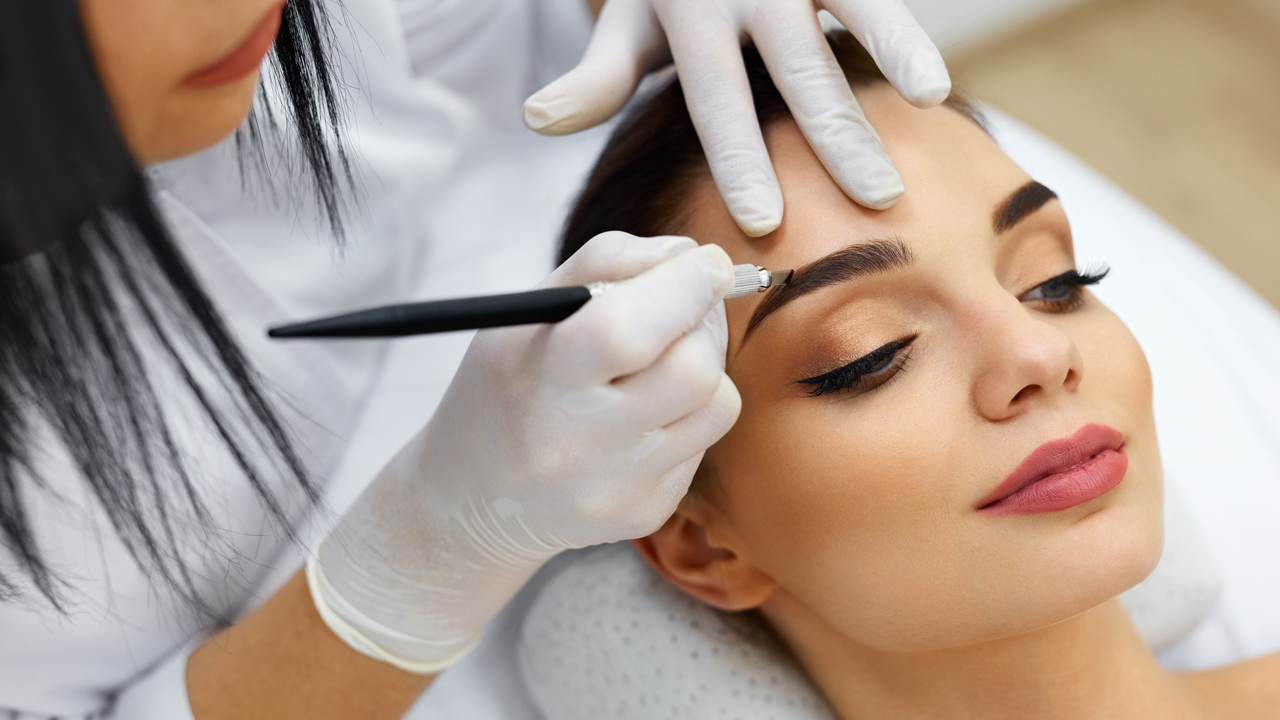
In microblading, a technician uses a fine blade to make small strokes in the upper layer of the skin and deposits pigment at the same time. The result looks like individual hairs. They are not hairs, though, but colour in the skin.
Microblading is semi-permanent. It usually lasts around 18 to 30 months, depending on skin type and lifestyle, and most clients need a touch-up once or twice a year (Healthline). Oily skin, a lot of sun and frequent exfoliation make the colour fade faster or change its tone.
The big advantages: no donor area, no surgery, quick healing. The downside: the colour fades, can shift towards red or grey over the years, and stays flat. Up close and in profile, you can tell it is drawn on.
What an eyebrow transplant does differently
In an eyebrow transplant, individual follicles, usually from the back of the head, are placed into the brow. Each hair is set at a very flat angle and in the natural growth direction of the brow. The result is real hair with real shadow and depth.
Our guide to eyebrow transplants in Turkey explains design, process and recovery in detail. This article is about the decision that comes before.
The myth of "transplant once, no effort ever again"
Many ads promise perfect brows forever with no further care after a transplant. That is not true.
Transplanted hairs keep the characteristics of where they came from. Hairs from the back of the head keep growing like scalp hair, much longer than normal brow hair. If you have an eyebrow transplant, you will need to trim your brows regularly, often every week or two. Some hairs may also stick out at first and need brow gel to stay in shape.
This is not a flaw of the procedure but its nature. People who know this beforehand are happy later. People who do not know it feel misled. At Mapa Health we tell everyone this before they book.
Side by side
Material: microblading is pigment; a transplant is real hair.
Duration: microblading lasts about 18 to 30 months; transplanted hairs grow permanently.
Upkeep: microblading needs touch-ups; a transplant needs regular trimming.
Look: microblading looks flat up close; a transplant has real depth and shadow.
Procedure: microblading is cosmetic; a transplant is surgery under local anaesthesia.
Scars: pigment often holds poorly on scar tissue; follicles can be placed in many scars if blood supply is good.
Correction: failed pigment can be left to fade or removed by laser; misplaced hairs must be removed one by one.
When microblading is the better choice
You only want to improve shape and colour: your brows are there but light, uneven or shapeless.
You do not want surgery: microblading heals quickly and needs no donor area.
You want to stay flexible: brow trends change. Pigment fades; transplanted hair stays.
You want to keep your donor area for your scalp.
When an eyebrow transplant is the better choice
Scars or completely bare areas: accidents, burns or surgery have destroyed the follicles.
Brows after years of plucking: heavy plucking over decades often leaves permanently fewer follicles.
You want real hair instead of colour and accept regular trimming.
Microblading did not hold on your skin, for example with very oily skin.
Who is not a good candidate for an eyebrow transplant
Alopecia areata in an active phase: while the immune system is attacking the follicles, transplanted hairs can fall out too. A dermatologist comes first.
Compulsive hair pulling (trichotillomania): without treating the cause, new hairs will be pulled out again.
Unexplained brow hair loss: thyroid problems and other causes should be checked first.
Unrealistic expectations: if you are not willing to trim regularly, you will not be happy with the result.
Can you combine both?
Yes, and for some patients that is the most honest solution. The transplant creates real density where hair no longer grows. Light pigment can then emphasise the shape or even out very pale skin under the hairs.
The order matters. Let the transplant heal and wait for growth before you think about pigment. Strong pigment done first gives the doctor a template that may not match the natural growth direction. With existing pigment, the doctor assesses beforehand whether and how hairs can be placed into it.
The decision about what comes first should not be made in a beauty salon or a sales call, but with a doctor who knows both methods. Mapa Health discusses this before every eyebrow transplant.
How to decide
Ask yourself: do I want colour and shape, or real hair?
Look closely at your brows: are there fine hairs, or is the skin smooth or scarred?
If the cause of brow hair loss is unclear, see a dermatologist first.
For a transplant, ask in writing who draws the design, who places the hairs and how many grafts are planned.
Check the agency's Ministry of Health licence. Mapa Health operates under licence AK-0456.
If you decide on a transplant, you will find the process and current terms on the page for eyebrow transplant in Turkey with Mapa Health.
About Mapa Health
Mapa Health is a health tourism agency based in Istanbul, founded in February 2020. Since then we have coordinated more than 500 international patients. We are authorised by the Turkish Ministry of Health under licence AK-0456. Contact: info@mapahealth.com. More about eyebrow transplant in Turkey.
Frequently Asked Questions
Which is better, microblading or an eyebrow transplant?
It depends on your goal. For shape and colour, microblading is often enough. For real, permanent hair, especially on scars or bare areas, a transplant is the only option.
How long does microblading last?
Usually around 18 to 30 months, depending on skin type and lifestyle. Most people need a touch-up once or twice a year.
Is an eyebrow transplant permanent?
Yes. The transplanted hairs grow permanently. Because they usually come from the back of the head, they grow longer than normal brow hair and need regular trimming.
How often do I need to trim transplanted brows?
For many patients about every one to two weeks. That is normal and part of the result.
Can I have a transplant after microblading?
Often yes, but the doctor needs to assess the skin first. Strong old pigment can affect the planning.
Is an eyebrow transplant possible with alopecia areata?
Usually not in an active phase. Clarify this with a dermatologist first.
When will I see the result of an eyebrow transplant?
The transplanted hairs usually shed in the first weeks and then grow back. The final result is judged after about a year.
How do I recognise a legitimate agency?
By a licence from the Turkish Ministry of Health, a named doctor and advice that also mentions alternatives such as microblading. Mapa Health operates under licence AK-0456 and is rated 4.5 out of 5 on Trustpilot.
About the Publisher
This article was prepared by the Mapa Health Editorial Team. Mapa Health is a medical tourism coordinator authorized by the T.C. Ministry of Health (Authorization No. AK-0456) since August 2022. Since 2020, Mapa Health has accompanied over 500 international patients to certified partner facilities in Istanbul. For a personalized consultation: info@mapahealth.com