
Hair Transplant Recovery: Week-by-Week Healing Timeline
A realistic week-by-week guide to hair transplant recovery, from the first days and shock loss to new growth and final results.
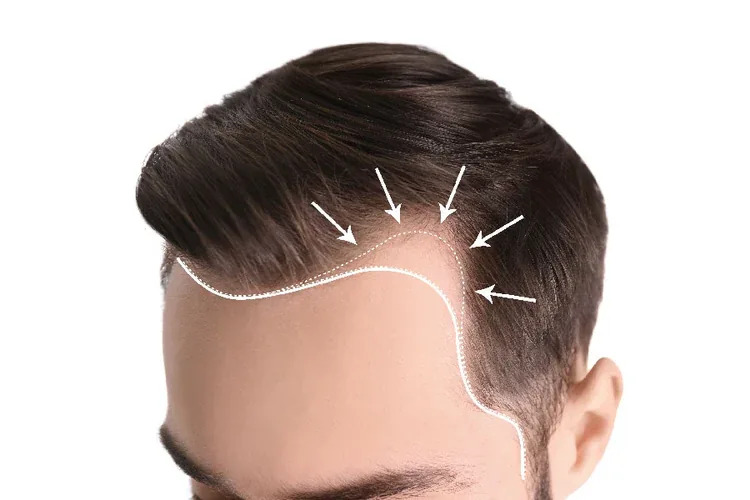
What to Expect During Hair Transplant Recovery
Recovery is the part of a hair transplant that worries patients most. The procedure itself is over in a day, but the healing unfolds over months, and not knowing what is normal can cause unnecessary stress. This guide walks through a realistic week-by-week timeline so you can recognize each stage as it happens.
Since 2020, Mapa Health has coordinated more than 800 hair transplant cases, and the same questions come up again and again. When will the scabs go? Why is the new hair falling out? When do results show? The timeline below answers these in order.
Mapa Health is a Ministry-authorized coordinator (license AK-0456), not a clinic. We do not perform surgery or give medical advice. Always follow the instructions of your operating surgeon, and consult them about your specific case. The stages here are general and individual healing varies.
Step 1: Day 1 to Day 3, Immediate Post-Op
In the first three days the focus is rest and protection. You may have a bandage on the donor area, some swelling around the forehead, and mild discomfort that is usually managed with the medication your surgeon prescribes. Sleeping with your head elevated can reduce swelling.
The first wash is often scheduled around day 3, using the technique your clinic demonstrates. Do not touch, scratch, or pick at the grafts, and avoid bending over or any activity that raises blood pressure to the head.
Do follow your medication schedule, keep the area clean as instructed, and rest. Do not drink alcohol, smoke, or expose the area to direct sun. If you notice heavy bleeding, spreading redness, or fever, contact your surgeon promptly.
Step 2: Week 1, the Critical Healing Phase
During the first week small crusts or scabs form around each graft as the skin heals. With the washing routine your clinic recommends, these soften and begin to clear toward the end of the week. Let them fall away naturally and never scrape them off.
You may notice the very start of shedding. This is the beginning of what is called shock loss, and it is a normal part of the process rather than a sign of failure. The transplanted follicles remain under the skin even when the visible hair sheds.
This week is not the time for exercise, sweating, swimming, or saunas. Continue to avoid smoking and alcohol, as both can slow healing and affect blood flow to the grafts. Consult your surgeon before resuming any activity you are unsure about.
Step 3: Weeks 2 to 4, the Shock Loss Period
Across weeks 2 to 4, many of the transplanted hairs shed. This shock loss can be unsettling, but it is expected. The hair shaft falls while the follicle stays in place and prepares to grow a new hair later. Try not to panic if the area looks thinner than just after surgery.
The donor area, where grafts were taken, usually continues to heal and feel more comfortable during this period. Any redness generally fades, though timing varies between people.
Most patients return to normal social life and desk work within this window, often earlier. Light activity is usually fine, but check with your surgeon before returning to the gym or contact sports.
Step 4: Months 3 to 6, New Growth Begins
From around month 3, fine new hairs start to emerge from the transplanted follicles. Early growth can look thin, uneven, or wispy, and that is normal. The hairs thicken and mature gradually rather than all at once.
By months 4 to 6 the density usually becomes more noticeable, and the new hair starts to blend with your existing hair. Texture may differ at first and settles over time.
This is a good point to have a follow-up assessment so progress can be compared against expectations. If you have concerns about growth or symmetry, raise them with your surgeon rather than judging the final outcome this early.
Step 5: Months 9 to 12, Final Results and About Mapa Health
By months 9 to 12 most people see close to their final result, often around 80 to 90 percent of the expected density, with continued maturing beyond that. This is the right time for a final assessment with your surgeon to review coverage, density, and overall appearance.
Results depend on your donor capacity, the technique used, and how closely aftercare was followed. Patience through the earlier stages is rewarded here, which is why a realistic timeline matters from the start.
Mapa Health is a Ministry-authorized health tourism coordinator (license AK-0456) and a facilitator, not a clinic. Since 2020 we have coordinated more than 800 hair transplant cases, focusing on clear information and honest comparisons. For an honest assessment, contact us at +90 543 676 62 72 or [email protected].
Frequently Asked Questions
What is shock loss and how long does it last?
Shock loss is the shedding of transplanted and sometimes surrounding hair, usually between weeks 2 and 4. The follicles stay in place and regrow later. It is a normal phase, not a failure, though timing varies. Ask your surgeon if you are worried. Before booking, ask for the written plan, inclusions and exclusions, expected recovery time, possible alternatives, follow-up route and warning signs that require local care. If the question is about price, timing or results, treat the page information as guidance until the medical assessment and written quote are completed.
When can I wash my hair after a hair transplant?
The first wash is often around day 3 using the gentle technique your clinic shows you. Follow their exact instructions, since protocols differ between clinics. Do not rub or scrape the grafts at any point. Before booking, ask for the written plan, inclusions and exclusions, expected recovery time, possible alternatives, follow-up route and warning signs that require local care. If the question is about price, timing or results, treat the page information as guidance until the medical assessment and written quote are completed.
When can I start exercise and sports again?
Avoid exercise, sweating, and swimming during week 1. Light activity often returns in the following weeks, while the gym and contact sports usually wait longer. Always confirm timing with your surgeon based on your healing. Before booking, ask for the written plan, inclusions and exclusions, expected recovery time, possible alternatives, follow-up route and warning signs that require local care. If the question is about price, timing or results, treat the page information as guidance until the medical assessment and written quote are completed.
How does the donor area heal?
The donor area usually heals over the first few weeks, with redness fading gradually. Comfort improves within days for most people. Follow your aftercare instructions and contact your surgeon if you notice unusual pain or signs of infection. Before booking, ask for the written plan, inclusions and exclusions, expected recovery time, possible alternatives, follow-up route and warning signs that require local care. If the question is about price, timing or results, treat the page information as guidance until the medical assessment and written quote are completed.
When will I see the final results?
New growth typically starts around month 3, becomes noticeable by months 4 to 6, and approaches the final result by months 9 to 12. Individual timelines vary, so consult your surgeon for guidance specific to you. Before booking, ask for the written plan, inclusions and exclusions, expected recovery time, possible alternatives, follow-up route and warning signs that require local care. If the question is about price, timing or results, treat the page information as guidance until the medical assessment and written quote are completed.