
Last updated:

Dental Implants Turkey

Dental Implants Turkey: What This Page Covers

Many international patients use Dental Implants Turkey when comparing single and multiple dental implant options in Istanbul. At Mapa Health, this term is handled through the same clinical pathway as Dental Implant Turkey, so consultation, clinic coordination, hotel planning, transfers, recovery guidance and package review are evaluated together.

The sections below keep the full treatment information, pricing structure, clinic details and FAQ content while clarifying how this common term relates to the medical service.

What Are Dental Implants?

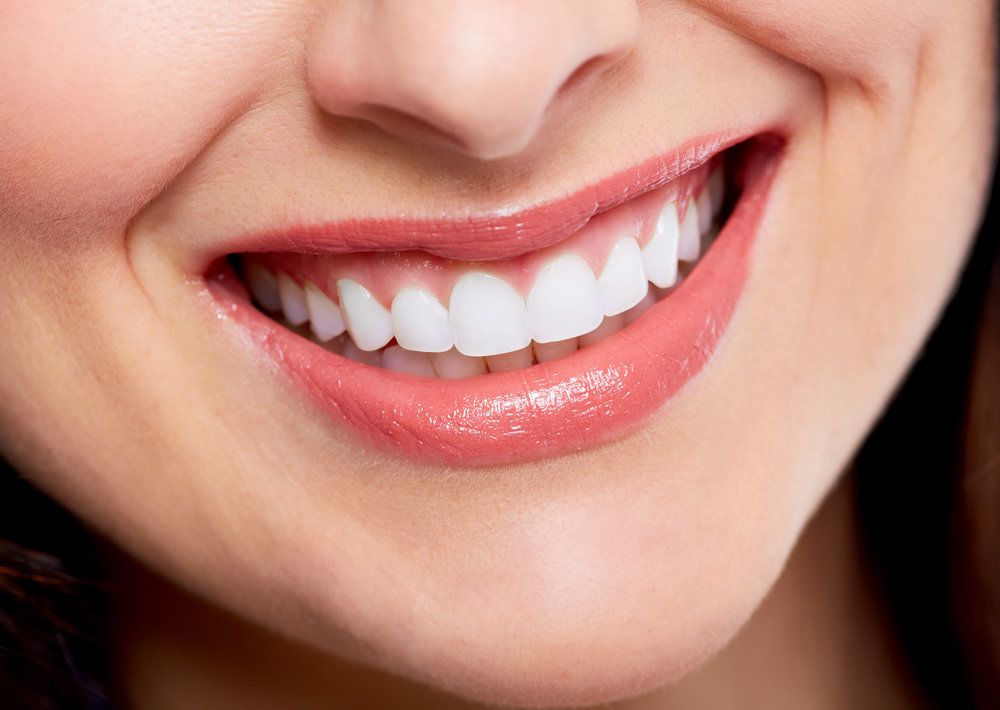
Dental implants are artificial, screw-shaped roots that replace natural tooth roots that are no longer functional. These implants act as a strong foundation for replacement teeth. At our clinic in Turkey, we craft custom crowns in our in-house laboratory, ensuring a perfect match for your dental needs. Dental implants are almost indistinguishable from natural, healthy teeth, both in appearance and functionality.

Which Implant Brands Does Our Clinic in Turkey Offer?

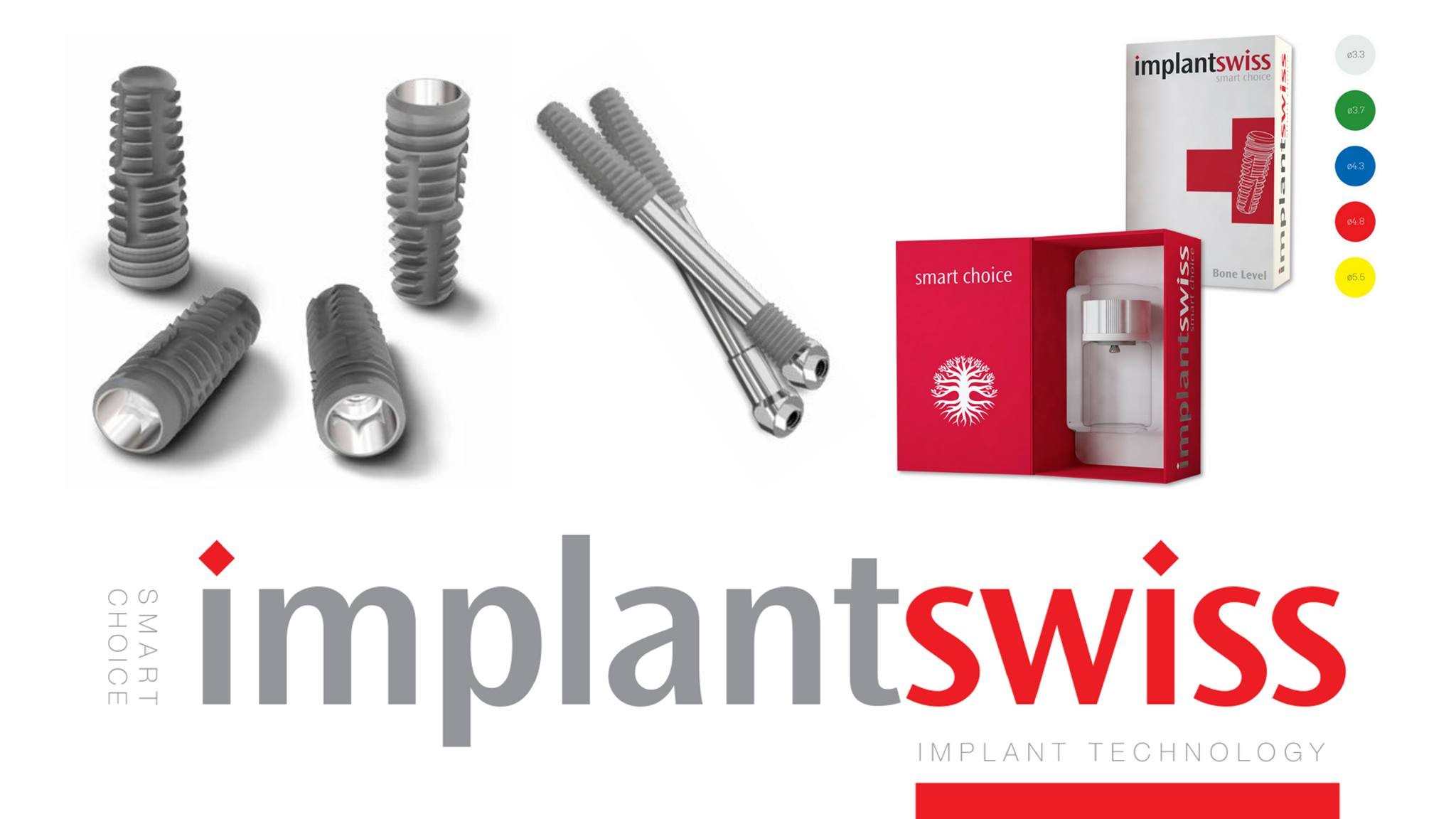
Since your dental implant is designed to last a lifetime, it is essential to choose high-quality brands for long-term benefits. Our clinic uses only the most reputable brands that have been clinically tested for years. For example, Straumann is one of the best and most trusted names in the dental implant market.
Dental Implant Image

Who Is a Candidate for Dental Implants?

Dental implants are suitable for patients who have lost one or more teeth in the upper or lower jaw. Candidates should be in good overall health and free of chronic conditions that pose an infection or bleeding risk. Additionally, the jawbone should ideally be suitable for treatment, and bone development must be complete. If necessary, we also perform bone grafting and sinus lift procedures in Turkey to prepare the jawbone for implants.

What Makes Dental Implants Unique?

Dental implants are the most advanced solution for replacing missing teeth. Unlike traditional dentures or bridges, implants integrate directly with your jawbone, providing superior stability and durability. They not only restore the aesthetics of your smile but also maintain jawbone structure, preventing the bone loss that typically occurs after tooth loss.

Steps of the Dental Implant Procedure:

  1. Initial Consultation: A comprehensive dental examination, including X-rays, to evaluate the condition of your teeth and jawbone.
  2. Implant Placement: Under local anesthesia, titanium implants are securely placed into the jawbone in a sterile environment.
  3. Healing Period: A recovery period of 3-6 months allows the implants to fuse with the bone (osseointegration).
  4. Final Restoration: Custom crowns are crafted and securely attached to the implants, completing your smile.

Why Choose Us for Dental Implants in Turkey?

  • ✓ TÜV-certified facilities with state-of-the-art technology
  • ✓ Expert dentists with years of experience in implantology
  • ✓ High-quality implant brands, including Straumann and more
  • ✓ Affordable treatment costs without compromising on quality
  • ✓ Comprehensive care, from initial consultation to aftercare

Maintaining Your Dental Implants:

Proper care is essential to ensure the longevity of your dental implants. This includes maintaining excellent oral hygiene, attending regular dental check-ups, and avoiding habits such as smoking that can impact healing and long-term success.

(1) Planning
Ideally, you should send us an X-ray in advance. Using this X-ray, our experienced dentists will evaluate the quality and structure of your jawbone and teeth. (A second examination will, of course, take place on-site in Turkey.) Based on this evaluation, we will create a detailed treatment plan, including the associated costs, and discuss it with you prior to your arrival.

(2) Procedure
Local anesthesia is sufficient for the procedure. Under sterile conditions, we will first prepare openings for the dental implants using a specialized dental drill. The implants will be carefully placed into these openings and secured with sutures. To minimize swelling, apply ice to your cheeks at 10-minute intervals. Please note that smoking can significantly delay the healing process. After the procedure, you will need to take the antibiotics prescribed by your dentist. Additionally, maintain a diet of small, frequent meals and drink plenty of water. Temporary dentures will be provided at no extra cost if needed.

(3) Healing
Depending on the type of procedure, the sutures may dissolve over time or need to be removed after one week. To prevent bacterial growth, we strongly recommend maintaining excellent oral hygiene and using antiseptic mouthwash during this period.

(4) Recovery
During a follow-up visit to our dental clinic in Turkey, typically 3 to 6 months after the initial procedure, the closure cap placed on the dental implant will be removed and replaced with an abutment. The abutment helps shape the gum line. Measurements will then be taken for the dental crown, which is custom-made to fit the implant and securely fixed in place.

Dental clinic in Istanbul Turkey

Dental Clinic

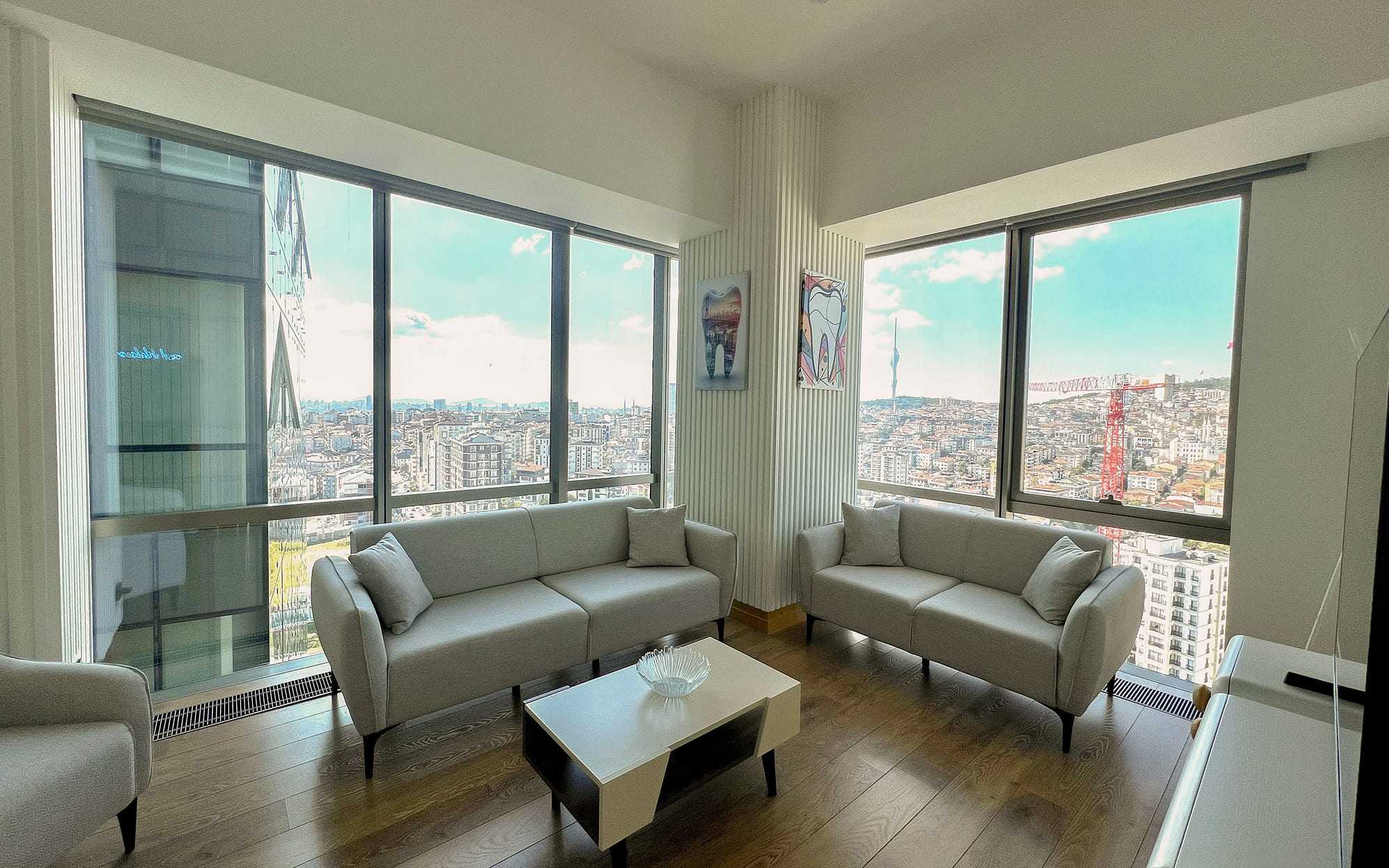
Our clinic is located in the prestigious Avrupa Residence, Yamanevler, one of the most vibrant and well-known areas of Istanbul. Combining state-of-the-art facilities with a welcoming atmosphere, we are dedicated to providing a premium dental care experience.

Our team consists of highly qualified Turkish dentists and multilingual staff who speak more than three languages, ensuring clear and effective communication with all our patients. Whether you’re a local resident or an international visitor, we cater to your unique dental needs with professionalism and care.

Our Services Include:

  • ✓ Cosmetic Dentistry (Hollywood Smile, Veneers)
  • ✓ Restorative Dentistry (Dental Implants, Crowns, and Bridges)
  • ✓ Preventive Care (Cleanings, Routine Check-Ups)
  • ✓ Orthodontics (Braces, Clear Aligners)

Why Choose Us?
- Centrally located in Istanbul, offering easy accessibility.
- Advanced technology for accurate diagnostics and efficient treatments.
- A patient-first approach that ensures comfort and quality care.
- Personalized treatment plans tailored to your individual needs.

At our clinic, your smile is our priority. Experience exceptional dental care delivered by a friendly and professional team dedicated to your health and confidence.

Hotel accommodation in Istanbul

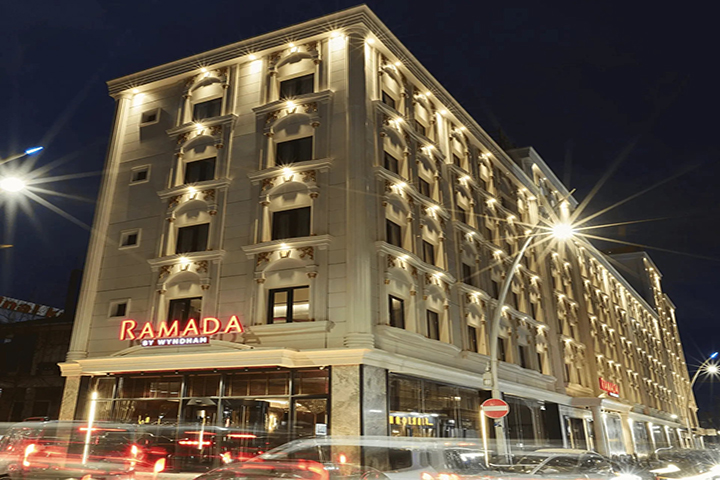
Ramada by Wyndham Istanbul Umraniye

Nestled at the heart of Istanbul's bustling business hubs, shopping centers, and top-tier hospitals, Ramada by Wyndham Ümraniye offers its guests a seamless blend of comfort and convenience in the city's vibrant core. Bringing the renowned Ramada style and privileges to Ümraniye, this exceptional hotel redefines urban accommodation.

Set in one of the world's most talked-about cities, Ramada by Wyndham Ümraniye provides an extraordinary stay experience. Boasting 85 thoughtfully designed rooms, the hotel is ideal for both business trips and leisure stays. Combining contemporary design elements with traditional and local touches, each room creates a warm and inviting atmosphere.

This comfort is further elevated by cutting-edge technology and top-notch services, ensuring that every guest enjoys a truly memorable stay.

A dental bridge rests on the neighbouring teeth and requires them to be ground down. An implant replaces the root: a titanium post is anchored in the jawbone and carries an independent crown - the neighbouring teeth are left untouched. Implants also preserve the jawbone, because the root continues to load the bone and prevents the bone loss that usually follows tooth loss. Bridges are cheaper and faster, implants are longer-lasting and biologically more favourable.

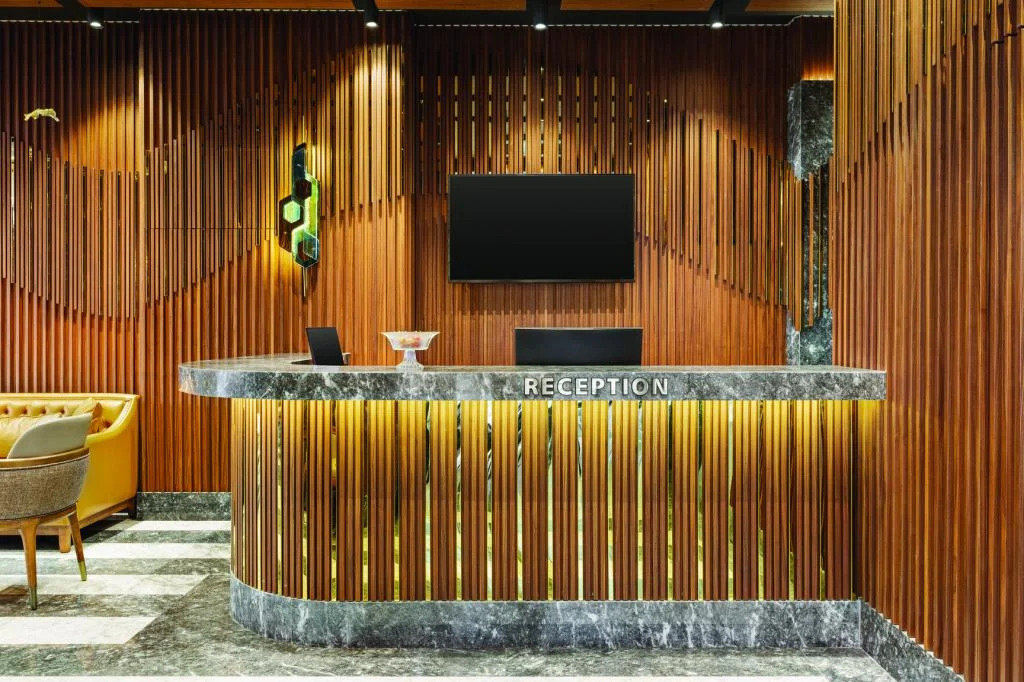
Mapa Health partner hotel in Istanbul
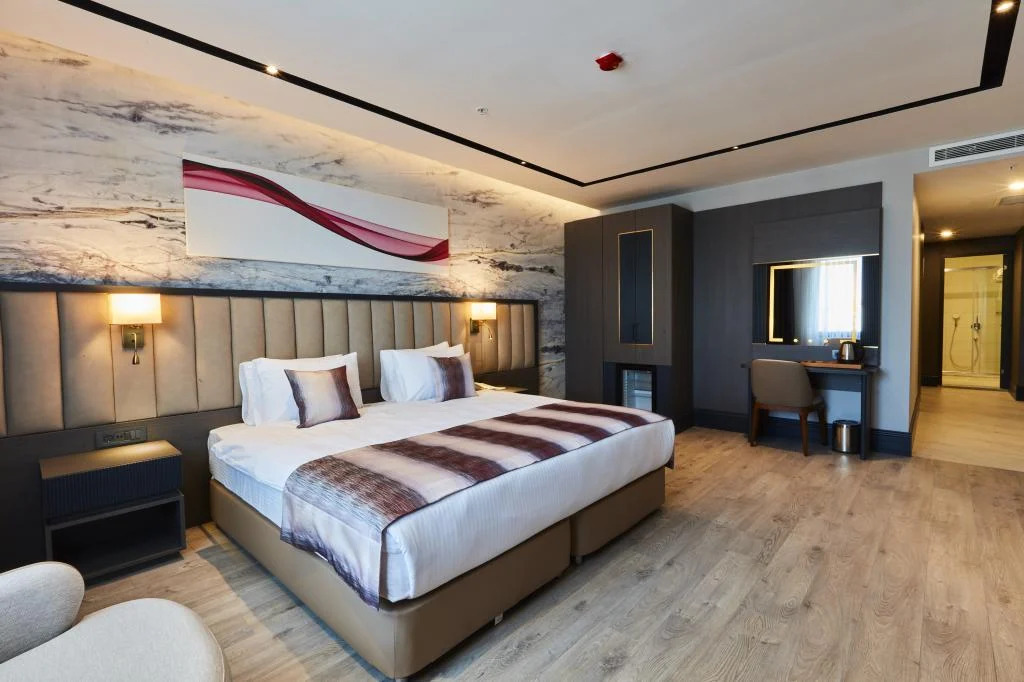
VIP hotel room for medical tourists in Istanbul

Consult a Doctor

Have questions? Our experts are here to help. Contact us now!
What your journey feels like

Day by day with dental implants in Istanbul

Implants are a two-stage procedure: first trip for the surgery (5-7 days), then 3-6 months healing at home, then second trip for the definitive crown (3-5 days). Here is the typical course of the first trip - your individual journey may shift depending on the number of implants and bone status.

DAY 1

Arrival & diagnostics

  • 08:30
    Landing in Istanbul

    Mapa driver in arrivals with a "Mapa Health" sign.

  • 11:00
    Hotel check-in

    5-star partner hotel near the clinic (about 10-15 minutes transfer).

  • 14:00
    Clinic: 3D CBCT & consultation

    Cone beam computed tomography for bone assessment, bite impression, treatment planning. Implant brand and number are confirmed - sinus lift or bone grafting discussed if needed.
DAY 2

Implant surgery day

  • 09:30
    Clinic preparation

    Local anaesthesia or general anaesthesia by preference. Sterile conditions, OR with state-of-the-art equipment.

  • 10:00
    Implant surgery

    About 20 to 30 minutes per implant. You feel pressure, no pain. With multiple implants or bone grafting it takes correspondingly longer.

  • 12:00
    First recovery

    Pressure dressing, drop schedule, painkillers. You can eat, but only soft, cool foods - no hot drinks.

  • 14:00
    Hotel - ice, rest, painkillers

    Swelling and mild pain are normal. Ice from outside, no hot tea, no exercise. WhatsApp hotline reachable around the clock.

DAY 3-5

Recovery & follow-ups

  • Day 3
    Follow-up appointment

    Wound check, cleaning, health check. Swelling should be subsiding, pain easing.

  • Day 4
    City exploration possible

    If progress is good you can explore Istanbul - no extreme exercise, no very hot or hard foods.

  • Day 5
    Final follow-up

    Suture removal (if needed), written oral hygiene instructions for the healing phase, surgical report and implant card for your dentist at home.

DAY 3-6 months

Healing phase at home

  • Week 1
    First healing

    Swelling and mild discomfort subside. Oral hygiene with a soft toothbrush and rinse.

  • Months 2-4
    Osseointegration

    The titanium implant fuses with the jawbone. During this phase no special precautions beyond normal hygiene and not smoking.

  • Month 4-6
    Ready for the crown

    Follow-up appointment in Turkey or with your dentist at home. If the implant is stable, we plan the second trip for the definitive crown (3 to 5 days).

M
Mapa Health · Patient coordination
Example - typical exchange
via WhatsApp

"Hello, one hour before landing. Your driver is holding a "Mapa Health" sign in arrivals. Your 3D CBCT review is this afternoon - the implant brand (Straumann) and the final number will be confirmed in writing before tomorrow's surgery. - your coordinator"

Response time: typically under 10 minutes · reachable 24/7

What if...?

The most common quiet worries - short and honest.

"What if I get pain during surgery?"

Local anaesthesia works reliably during the 20 to 30 minutes of implant surgery. If you feel pressure or discomfort, the dentist can top up at any time. With high anxiety or multiple implants, general anaesthesia or sedation is available.

"What if the implant does not integrate?"

Success rate is about 95 to 98 percent with premium implants in healthy patients. In the rare cases where an implant does not integrate, it is removed, the bone heals, and after 3 to 4 months a new implant can be placed - usually under the clinic warranty. Request this warranty in writing before the trip.

"I am travelling alone - can I manage after surgery?"

Yes, this is common and quite manageable. Mapa staff organise arrival and return; the hotel is near the clinic; WhatsApp hotline reachable around the clock. With sedation or general anaesthesia we recommend not navigating the city alone on the day of surgery - the hotel transfer is escorted.

"What if I do not speak Turkish?"

Consultation, surgical briefing and follow-ups are in English. Oral hygiene instructions, surgical report and implant card are issued in English - important for follow-up with your dentist at home.

What you actually experience

Small observations after implant surgery

No marketing phrases. Short, honest observations - what typically feels like during the first hours, days and months after implant surgery.

0–6 h

The anaesthesia often lasts 2 to 4 hours - the numb feeling in lip and cheek is normal.

0–6 h

Mild bleeding or pink-tinged saliva in the first hours is considered expected.

0–6 h

Ice from outside (10 minutes on, 10 minutes off) noticeably reduces swelling.

0–6 h

Hot drinks and hard foods are avoided in the first 24 hours.

6–24 h

The first prescribed pain medication should be taken before the anaesthesia wears off.

6–24 h

Swelling often peaks the morning after - this is the typical course.

6–24 h

Sleeping with the head slightly elevated reduces morning swelling.

1–7 days

From day 3 onwards, pain and swelling typically subside noticeably.

1–7 days

Soft foods (soup, yogurt, purees) are the comfort standard in the first week.

1–7 days

Rinsing with salt water (3 times a day) after meals supports healing.

1–7 days

Sport, sauna and sunbathing are typically paused for the first 7 to 10 days.

1–6 months

Osseointegration proceeds invisibly - you do not feel the implant fusing with the bone.

1–6 months

A temporary restoration protects the implant during the healing phase and allows normal speaking.

1–6 months

Smoking during the healing phase is documented to worsen the success rate - therefore a controlled pause is recommended.

1–6 months

After 3 to 4 months, a control X-ray shows whether the implant is ready for the definitive crown.

Observations from medical sources and physician-led aftercare - no patient quotes, no success guarantees. Your individual healing may vary depending on bone findings and lifestyle.
ℹ Educational information - These honest answers offer general medical orientation reviewed by the Mapa Health Clinical Review Team. They do not replace personal consultation with a qualified physician.
Honestly answered

What patients often hesitate to ask

These questions rarely come up in consultations but show up far more often during late-night research. Here are the honest, hedged answers - no marketing, no promises.

My dentist at home recommends a bridge instead of an implant - who is right?

Both views can be legitimate. A bridge is cheaper, faster and finished in one session - but it requires grinding down healthy neighbouring teeth, which shortens their lifespan. An implant is more expensive and takes 3 to 6 months but preserves neighbouring teeth and jawbone. If your home dentist recommends a bridge because of bone deficiency or health concerns, that should be taken seriously and clarified before travel. If the recommendation is more cost-driven or generally conservative, a second opinion with 3D CBCT in Istanbul can bring clarity.

What if I suddenly panic during surgery or feel anxious?

This worry is common. Local anaesthesia works reliably - the procedure is painless, but you are awake and hear sounds (drill, suction). For anxiety, sedation with a mild tranquiliser or general anaesthesia is possible and should be discussed before travel. For multiple implants or bone grafting, general anaesthesia is often even recommended - you wake up after 1 to 2 hours without having consciously experienced the procedure. Before booking, ask for the written plan, inclusions and exclusions, expected recovery time, possible alternatives, follow-up route and warning signs that require local care. If the question is about price, timing or results, treat the page information as guidance until the medical assessment and written quote are completed.

What if the implant does not integrate and is lost?

The success rate with premium implants in healthy patients is around 95 to 98 percent - meaning a 2 to 5 percent failure rate. The most common causes: smoking, poor oral hygiene, insufficient bone density, pre-existing periodontitis or uncontrolled diabetes. If an implant does not integrate, it is removed, the bone heals for 3 to 4 months, then a new implant can be placed. A reputable clinic offers a written guarantee policy for this - request it before travel. Before booking, ask for the written plan, inclusions and exclusions, expected recovery time, possible alternatives, follow-up route and warning signs that require local care. If the question is about price, timing or results, treat the page information as guidance until the medical assessment and written quote are completed.

I smoke - does that really worsen my risk that much?

Yes, this is well documented. Studies show 2- to 3-fold increased failure rates in smokers because nicotine impairs gum microcirculation and bone healing. Most clinics recommend at least 2 weeks before and 8 weeks after surgery without smoking. Those who smoke long-term should discuss this honestly before travel. A clinic that does not mention or downplays the smoking risk is giving you incomplete information. Before booking, ask for the written plan, inclusions and exclusions, expected recovery time, possible alternatives, follow-up route and warning signs that require local care. If the question is about price, timing or results, treat the page information as guidance until the medical assessment and written quote are completed.

What is peri-implantitis and can I prevent it at all?

Peri-implantitis is inflammation of the tissue around the implant - the main cause of late implant loss. It usually develops through plaque accumulation, poor oral hygiene or untreated periodontitis. You cannot prevent it with certainty but you can significantly reduce the risk through: daily brushing with correct technique, dental floss or interdental brushes, professional cleaning twice a year, no smoking, treatment of periodontitis before implantation. The clinic should give you a concrete written hygiene guide before you travel home. Before booking, ask for the written plan, inclusions and exclusions, expected recovery time, possible alternatives, follow-up route and warning signs that require local care. If the question is about price, timing or results, treat the page information as guidance until the medical assessment and written quote are completed.

Do I really need a sinus lift or bone graft, or is the clinic upselling me?

This concern is justified. Bone grafting and sinus lift are real surgical procedures with their own costs and risks. They are needed when 3D CBCT shows that bone height or thickness is insufficient for an implant. Request the CBCT findings in writing or as image data - a reputable clinic will show you the scan and explain why a graft is medically necessary. A second opinion with a home-country dentist using the CBCT image is possible and sometimes worthwhile. If you are uncertain, that is a legitimate reason to postpone the appointment.

What about ghost surgery? Is the dentist whose photo is on the website actually performing the surgery?

Ghost surgery - surgery performed by someone other than the named clinician - is illegal in Turkey and has been in the headlines several times in recent years, especially in hair transplantation and aesthetic surgery. For implant surgery, you can do something concrete: before travel, ask for the name and Turkish Medical Chamber (Tabipler Birliği) license number of your surgeon; demand public verifiability; have the surgeon receive you in person before surgery and address you by name; the operative report must show the surgeon's name. If a facilitator dodges the question, that is a warning sign.

My acquaintance had implants done in Turkey and now has problems. Is that a pattern?

This experience is real and should be taken seriously, but it is not necessarily Turkey-specific - the same problems occur in any country with cheap or careless implantation. What you can document to lower your risk: which manufacturer was used (premium or budget brand); was 3D CBCT performed before surgery; was bone grafting considered; did the patient receive an implant passport with manufacturer and serial number; were follow-up checks done. If a "Turkey special offer" is flat-rate very cheap and none of these points were fulfilled, that is the cause - not the country.

What if I am unhappy after surgery? Is there a guarantee?

A guarantee on the look, feel or success of the implant cannot be given honestly by anyone. What you should request in writing: replacement-implant guarantee in case of failure within the first 1 to 5 years, conditions for a complaint, number of follow-up visits, what happens with peri-implantitis in the first year, what applies if the crown breaks. "written aftercare terms" as a marketing slogan is rarely legally enforceable - implant manufacturers (e.g. Straumann) provide their own material guarantees, the clinic provides treatment guarantees. Both should be clearly documented.

Will I be able to speak and eat normally after surgery?

Speaking is usually normal as soon as the anaesthesia wears off, slightly limited by swelling in the first 2 to 3 days. Eating is the bigger adjustment: soft, cool foods in the first week, then gradually back to normal diet. During the 3 to 6 months healing phase you have a temporary restoration that allows normal eating - no extremely hard foods like nuts or tough meat directly on the implant area. Full, unrestricted eating comes with the definitive crown after the second trip.

Why are implants in Turkey so much cheaper - are they cutting corners on materials or hygiene?

The price difference is structural. Personnel, rent and clinic overhead in Istanbul are below Western European levels, while premium implants (Straumann, Nobel Biocare) are supplied worldwide to the same standard. What you should look at: which implant manufacturer (premium or mid-tier); what does additional bone grafting cost; is the definitive crown made of zirconia or a cheaper material; what about the second trip; is there a guarantee policy. If a flat-rate package below £430 per implant including crown and hotel is offered, scrutinise carefully what is actually included - that is usually well below the Turkish market level and a warning sign.

If the Turkish clinic makes a mistake, will my dentist at home help me at all?

Cross-border medical responsibility is a real question. Most home-country dentists will see you and prescribe painkillers or antibiotics if needed - but as a private service. A correction of a faulty implant at home is possible but expensive, and not every dentist accepts these patients. Speak openly with your home-country dentist before travel about whether they would continue to care for you after surgery abroad. Have the Turkish clinic provide a complete treatment report and the implant passport (manufacturer, model, serial number) in writing - these documents are your bridge between the systems.

These answers are for orientation and do not replace dental advice. Individual eligibility, risks and outcomes depend on your pre-treatment assessment, medical history and the chosen treatment. Reviewed by the Mapa Health Clinical Review Team - as of .
Medically reviewed by Mapa Health Clinical Team
Last reviewed:
Dentistry ADA / FDI sources Turkish Ministry of Health
Content is reviewed against medical sources, partner-facility information and current treatment protocols. Individual suitability, risks and outcomes can vary.
Sources consulted: ADA · FDI · NIDCR · CDC Oral Health
iMessage or WhatsApp
&

Request your free treatment plan and pricing information

Get personalized treatment plans and expert consultation - we are here to help

Medical Treatments

Comprehensive care for your health journey

Achieve Your Dream

Smile in 3 Easy Steps!

Transform your smile effortlessly! Follow these three simple steps to achieve the perfect dental care you’ve always wanted.

World-Class and Affordable Health Care in Turkey

Experience premium-quality medical treatments at a fraction of the cost compared to Europe. At Mapa Health, we partner with top-rated hospitals and highly experienced doctors to provide exceptional care that meets and exceeds European standards.

From your initial consultation to your safe return home, our dedicated team ensures a seamless experience at every stage of your journey. We are committed to making you feel comfortable, supported, and cared for, just like at home.
  • Combine your treatment with a memorable vacation by exploring Turkey’s rich culture and stunning sights.
  • Benefit from fast and efficient medical care with no waiting times.
  • Access cutting-edge medical technologies and state-of-the-art facilities.
  • Receive world-class treatments at significantly lower costs.
Mapa Health medical tourism services

EXCLUSIVE

Our services

Medical planning checkpoints

Use this section to evaluate Dental Implants Turkey as a medical-travel decision, not only as a price comparison. The right plan depends on diagnosis, eligibility, medical records, realistic expectations, aftercare access and the written offer issued before travel.

Confirm eligibility first

Suitability should be checked before any booking. Share recent tests, medication lists, allergies, previous operations and relevant photographs or scans. The treating physician or clinic must confirm whether Dental Implants Turkey is appropriate and whether another option would be safer.

Compare the alternatives

Ask what would happen if you choose local care, postpone treatment, use a less invasive option or select another procedure in the same specialty. A good consultation explains why the proposed route fits your diagnosis and why excluded alternatives are less suitable.

Read the written offer

The price should be read together with inclusions, exclusions, currency, provider details, hotel nights, transfers, diagnostics, medicines, revisions and follow-up route. £350 is a starting figure; the final quote depends on assessment and availability.

Plan recovery realistically

Travel planning should include downtime, flight timing, activity restrictions, wound or eye care, diet changes, remote follow-up and warning signs. Do not plan important work, sport or long travel until the recovery window is clear.

Check provider responsibility

Mapa Health coordinates the journey, but the treating provider makes medical decisions. Before travel, confirm the facility, physician role, consent form, emergency contact, aftercare terms and how records will be shared after returning home.

Keep evidence and questions

Save the written plan, consent forms, device or implant details where relevant, invoices and aftercare instructions. Bring questions about risks, expected limits, pain control, complications, alternatives and what is not included in the package.

Before confirming travel, check:

  • written diagnosis or indication
  • provider and physician details
  • clear inclusions and exclusions
  • recovery and flight timing
  • aftercare and emergency route
  • final quote after medical assessment

This page is educational. Personal medical advice can only be given after clinical review by the responsible healthcare professional.

Compare this treatment option

Before choosing, compare this option with local treatment, non-surgical care where relevant, and alternative procedures in the same category. The right choice depends on diagnosis, eligibility, risks, recovery time and the written aftercare plan.