Google Business Profile
Open the public Google profile to see recent feedback, photos and location context from patients and visitors.
Open Google profile
This guide covers heart valve repair and replacement pricing in Istanbul and across Turkey. You will find cost breakdowns for mitral valve repair, aortic valve replacement, TAVR/TAVI catheter-based procedures, mechanical versus biological valve options, realistic recovery timelines, and a hospital-selection framework for international patients seeking valve surgery abroad.
This page answers price searches for mitral valve surgery turkey cost. Package scope, clinic pathway, hotel, VIP transfers and follow-up follow the same framework as Heart Valve Repair / Replacement. Indicative pricing starts from £4,200 and is confirmed after an online medical assessment.
Turkey's leading cardiac centres offer the full spectrum of valve procedures from conventional open-heart valve surgery to transcatheter valve interventions. Istanbul hospitals combine experienced surgical teams with modern cardiac infrastructure at costs substantially lower than Western Europe and the United States.
Your final valve surgery quote reflects the specific valve affected, whether repair or replacement is needed, the type of prosthetic valve chosen, and your overall cardiac condition.
Valve surgery pricing depends on the specific valve involved, whether repair or replacement is performed, the type of prosthetic valve used, and whether concurrent procedures are needed.
| Procedure Type | What It Addresses | Estimated Cost Range | Key Price Variables |
|---|---|---|---|
| Mitral Valve Repair | Reconstruction of the mitral valve to restore proper function without replacement | From £10,320 | Repair complexity, annuloplasty ring type, concurrent procedures |
| Aortic Valve Replacement (Open) | Surgical replacement of diseased aortic valve with mechanical or biological prosthesis | From £11,180 | Valve type (mechanical vs biological), valve brand, concurrent CABG |
| TAVR / TAVI | Catheter-based aortic valve replacement without open-heart surgery | From £21,500 | Transcatheter valve device cost, access route, imaging requirements |
| Double Valve Surgery | Repair or replacement of two heart valves in a single operation | From £13,760 | Valve combination, operative time, prosthetic valve costs, ICU duration |
Use the price guide as a starting point. Send your details and our team will check which package range fits your case before you travel.
Mapa Health currently offers heart valve surgery packages starting from £10,320 for open surgical procedures, including hospital stay (ICU + ward), prosthetic valve, hotel accommodation, VIP transfer, and all pre-operative cardiac investigations. Final pricing is confirmed after your cardiac surgeon reviews your echocardiography and discusses the surgical plan.
TAVR/TAVI, double valve procedures, and cases requiring concurrent CABG carry higher fees. These are quoted individually after detailed cardiac assessment.
The cost of heart valve surgery varies dramatically based on whether repair or replacement is performed, the type of approach, and whether additional cardiac procedures are combined.
| Complexity Level | Typical Surgical Scope | Indicative Price Range | What Increases the Fee |
|---|---|---|---|
| Standard Single Valve | Single valve repair or replacement with good ventricular function | £10,320- £13,760 | Valve type choice, standard ICU stay, routine post-operative course |
| Complex Single Valve | Valve surgery with reduced ejection fraction, redo operation, or concurrent Maze procedure | £13,760- £18,920 | Extended operative time, longer ICU monitoring, additional procedures |
| Double Valve + CABG | Two valves plus coronary bypass in the same operation | £15,480- £24,080 | Triple surgical scope, extended bypass time, multiple prostheses, longer ICU |
| TAVR / TAVI | Transcatheter aortic valve implantation via femoral or alternative access | £21,500- £34,400 | Transcatheter valve device is the major cost component; access route complexity |
Heart valve surgery costs vary enormously across countries, with Turkey offering significant savings for both surgical and transcatheter procedures.
| Country | Typical Pricing Model | Common Total Cost Level | Notes |
|---|---|---|---|
| Turkey | All-inclusive packages for international patients | £10,320- £34,400 (depending on procedure type) | Full spectrum of valve procedures; experienced cardiac centres; comprehensive packages |
| United Kingdom | NHS coverage or private hospital billing | £20,000 - £50,000 (private; NHS free but long waiting lists) | TAVR availability limited; NHS waiting times can be significant for elective cases |
| United States | Hospital-based billing with insurance | £59,200- £185,000+ (surgical); £111,000+ (TAVR) | Highest global cost; insurance coverage varies; TAVR device costs extremely high |
| Germany / Western EU | Hospital billing | £21,500- £51,600 (surgery); £34,400-£68,800 (TAVR) | Strong cardiac surgery tradition; well-established valve programmes |
| India | Hospital packages | £4,300- £10,320 (surgical); £12,900-£21,500 (TAVR) | Lower cost point; verify prosthetic valve brand and hospital standards carefully |
Valve surgery patients should budget for the complete trip including extended recovery in Istanbul, companion costs, and lifelong medication needs.
All pricing serves as educational market guidance. Your personalized quote should be based on a cardiac surgeon's assessment of your valve pathology, cardiac function, and overall medical status.
International valve surgery patients benefit from comprehensive packages covering pre-operative cardiac workup through hospital stay to discharge planning and follow-up.
The approach to heart valve surgery depends on the specific valve affected, the nature of the disease, patient age and risk profile, and the cardiac team's expertise.
| Approach | Main Advantage | Best For | Considerations |
|---|---|---|---|
| Conventional Open Surgery | Full access for complex repairs and replacements via median sternotomy | Complex mitral repairs, multi-valve surgery, combined CABG and valve | Longer recovery; well-established outcomes data |
| Minimally Invasive Valve Surgery | Smaller incision, less pain, faster recovery, reduced blood loss | Isolated aortic or mitral valve surgery in suitable candidates | Requires specialized training; not suitable for all cases |
| TAVR/TAVI (Transcatheter) | No chest incision; catheter-based; fastest recovery | Aortic stenosis in high/intermediate risk patients; expanding to lower risk | Currently mainly for aortic valve; higher device cost; long-term durability data evolving |
| MitraClip (Transcatheter Mitral) | Catheter-based mitral valve repair without surgery | Severe mitral regurgitation in patients too high-risk for open surgery | Does not achieve same degree of repair as surgery; specialized indication |
Valve surgery candidacy depends on the severity of valve disease, symptoms, cardiac function, and the patient's overall fitness for surgery. Timing of intervention is critical for optimal outcomes.
The decision to proceed with valve surgery and the choice between repair, replacement, and transcatheter options should involve a heart team including a cardiac surgeon, interventional cardiologist, and imaging specialist.
Understanding each stage of the valve surgery process helps you prepare mentally and logistically for this life-changing cardiac procedure.
Valve surgery requires specialized cardiac surgical expertise. The surgeon's valve repair experience and the hospital's cardiac infrastructure are critical safety factors.
Use this checklist to evaluate prospective valve surgery providers thoroughly.
Publicly verifiable references to validate Mapa Health's cardiac surgery services.
Mapa Health's official contact page states that treatments are carried out at partner healthcare institutions holding the official health tourism authorization certificate issued by the Turkish Ministry of Health.
As of 15 March 2026, the public Trustpilot profile for mapahealth.com covers multiple treatment categories. Filter for cardiac surgery-specific reviews.
Selecting a valve surgery provider should prioritize surgical expertise, valve repair capability, prosthetic valve quality, and structured anticoagulation management.
Explore related cardiac treatment pages for other cardiovascular procedures available in Turkey.
Explore related treatment pages for detailed pricing, candidacy, and recovery information.
This FAQ addresses the most common pricing, technique, recovery, and safety questions about heart valve surgery in Istanbul.
Heart valve repair or replacement in Istanbul typically starts from around £10,320 for open surgical valve procedures. TAVR/TAVI catheter-based valve replacement starts from approximately £21,500-£30,100 due to the prosthetic valve device cost. The final fee depends on whether repair or replacement is needed, valve type, and surgical complexity. Before booking, ask for the written plan, inclusions and exclusions, expected recovery time, possible alternatives, follow-up route and warning signs that require local care. If the question is about price, timing or results, treat the page information as guidance until the medical assessment and written quote are completed.
Valve repair preserves your native valve by reconstructing damaged tissue, which is preferred when technically feasible as it avoids the need for lifelong blood thinners and preserves better long-term ventricular function. Valve replacement removes the damaged valve and implants a prosthetic one, either mechanical (durable but requires lifelong anticoagulation) or biological (limited lifespan but may not require long-term blood thinners). Before booking, ask for the written plan, inclusions and exclusions, expected recovery time, possible alternatives, follow-up route and warning signs that require local care. If the question is about price, timing or results, treat the page information as guidance until the medical assessment and written quote are completed.
Mechanical valves are made from durable materials like pyrolytic carbon and can last a lifetime, but they require lifelong warfarin anticoagulation with regular INR monitoring. Biological (tissue) valves are made from porcine or bovine tissue and typically last 10-20 years before potential deterioration, but they usually do not require long-term anticoagulation. The choice depends on patient age, lifestyle, and willingness to take blood thinners. Before booking, ask for the written plan, inclusions and exclusions, expected recovery time, possible alternatives, follow-up route and warning signs that require local care. If the question is about price, timing or results, treat the page information as guidance until the medical assessment and written quote are completed.
Open heart valve surgery requires 7-10 days of hospitalization (including ICU), with sternum healing taking 8-12 weeks. Most patients return to normal activities within 3-4 months. TAVR/TAVI has significantly shorter recovery with 3-5 days hospitalization and return to normal activities within 1-2 weeks. Before booking, ask for the written plan, inclusions and exclusions, expected recovery time, possible alternatives, follow-up route and warning signs that require local care. If the question is about price, timing or results, treat the page information as guidance until the medical assessment and written quote are completed.
TAVR (Transcatheter Aortic Valve Replacement) is a minimally invasive procedure where a new aortic valve is delivered through a catheter, usually via the femoral artery. Originally developed for high-risk patients unsuitable for open surgery, it is increasingly used in intermediate and even lower-risk patients. Your heart team will determine whether TAVR or surgical valve replacement is more appropriate based on your anatomy and risk profile. Before booking, ask for the written plan, inclusions and exclusions, expected recovery time, possible alternatives, follow-up route and warning signs that require local care. If the question is about price, timing or results, treat the page information as guidance until the medical assessment and written quote are completed.
Modern biological valves typically last 10-20 years, with newer-generation valves potentially lasting longer. Valve durability depends on patient age (valves deteriorate faster in younger patients), valve position, and individual factors. When a biological valve wears out, it can often be replaced with a catheter-based valve-in-valve procedure, avoiding repeat open-heart surgery. Before booking, ask for the written plan, inclusions and exclusions, expected recovery time, possible alternatives, follow-up route and warning signs that require local care. If the question is about price, timing or results, treat the page information as guidance until the medical assessment and written quote are completed.
Heart valve surgery can be safe in Turkey when performed at experienced cardiac surgery centres with dedicated cardiac ICUs, trained valve surgery teams, and comprehensive post-operative monitoring. Leading Istanbul hospitals perform hundreds of valve procedures annually with outcomes comparable to European standards. Always verify hospital accreditation, surgeon credentials, and cardiac ICU standards. Before booking, ask for the written plan, inclusions and exclusions, expected recovery time, possible alternatives, follow-up route and warning signs that require local care. If the question is about price, timing or results, treat the page information as guidance until the medical assessment and written quote are completed.
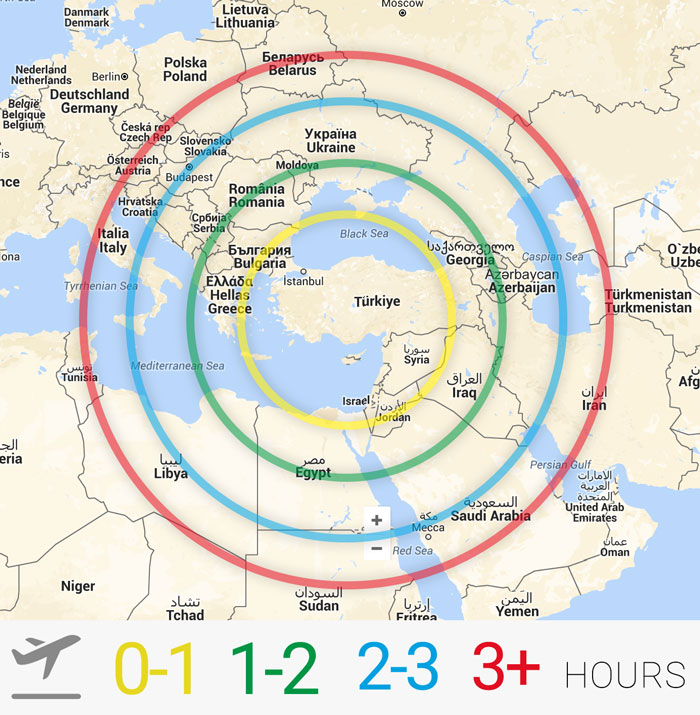
After open heart valve surgery, most patients can fly approximately 10-14 days post-operatively once the surgical team confirms stable recovery, adequate wound healing, and stable anticoagulation. After TAVR/TAVI, flying may be possible within 5-7 days. Compression stockings and periodic movement during flights are recommended. Before booking, ask for the written plan, inclusions and exclusions, expected recovery time, possible alternatives, follow-up route and warning signs that require local care. If the question is about price, timing or results, treat the page information as guidance until the medical assessment and written quote are completed.
Mechanical valves require lifelong warfarin anticoagulation with regular INR monitoring (target INR varies by valve position). Biological valves typically require anticoagulation for 3-6 months after surgery, after which aspirin alone is often sufficient. Your cardiac surgeon and cardiologist will determine the appropriate protocol based on your valve type, position, and individual risk factors. Before booking, ask for the written plan, inclusions and exclusions, expected recovery time, possible alternatives, follow-up route and warning signs that require local care. If the question is about price, timing or results, treat the page information as guidance until the medical assessment and written quote are completed.
Send your echocardiography report and medical history to receive an initial cardiac assessment, repair vs replacement recommendation, valve type guidance, and package details.
Looking for complete procedure details, recovery, and methodology?
Honest answers about prices, inclusions, insurance reimbursement, and payment methods.
Honest answers about loss-leader offers, surcharges, insurance reimbursement, guarantees, and financial protection.
PUBLIC PATIENT FEEDBACK
Before choosing a coordinator, compare public patient feedback from more than one source. We link to the original profiles so you can read the full context directly.
Open the public Google profile to see recent feedback, photos and location context from patients and visitors.
Open Google profileCheck the Trustpilot profile for longer written comments and patterns across treatment categories.
Open Trustpilot profileWe do not publish copied third-party review text here. Always read the original profile before making a decision.

Our multilingual consultants are available to assist you during business hours

Affordable 5 star hotel accommodation

Complimentary transfers between airport, clinic and hotel

Exclusive city tours and cultural experiences arranged for group visitors

Treatments performed in modern, fully-equipped medical facilities
We serve patients from more than 20 countries worldwide
Heart valve repair or replacement in Istanbul typically starts from around £10,320 for open surgical valve procedures. TAVR/TAVI catheter-based valve replacement starts from approximately £21,500-£30,100 due to the prosthetic valve device cost. The final fee depends on whether repair or replacement is needed, valve type, and surgical complexity. Before booking, ask for the written plan, inclusions and exclusions, expected recovery time, possible alternatives, follow-up route and warning signs that require local care. If the question is about price, timing or results, treat the page information as guidance until the medical assessment and written quote are completed.
Valve repair preserves your native valve by reconstructing damaged tissue, which is preferred when technically feasible as it avoids the need for lifelong blood thinners. Valve replacement removes the damaged valve and implants a prosthetic one, either mechanical (durable but requires lifelong anticoagulation) or biological (tissue-based, limited lifespan but may not require long-term blood thinners). Before booking, ask for the written plan, inclusions and exclusions, expected recovery time, possible alternatives, follow-up route and warning signs that require local care. If the question is about price, timing or results, treat the page information as guidance until the medical assessment and written quote are completed.
Mechanical valves are made from durable materials like pyrolytic carbon and can last a lifetime, but they require lifelong warfarin anticoagulation therapy. Biological (tissue) valves are made from animal tissue and typically last 10-20 years before potential deterioration, but they usually do not require long-term anticoagulation. The choice depends on patient age, lifestyle preferences, and willingness to take blood thinners. Before booking, ask for the written plan, inclusions and exclusions, expected recovery time, possible alternatives, follow-up route and warning signs that require local care. If the question is about price, timing or results, treat the page information as guidance until the medical assessment and written quote are completed.
Open heart valve surgery requires 7-10 days of hospitalization (including ICU), with sternum healing taking 8-12 weeks. Most patients return to normal activities within 3-4 months. TAVR/TAVI has significantly shorter recovery with 3-5 days hospitalization and return to normal activities within 1-2 weeks. Before booking, ask for the written plan, inclusions and exclusions, expected recovery time, possible alternatives, follow-up route and warning signs that require local care. If the question is about price, timing or results, treat the page information as guidance until the medical assessment and written quote are completed.
TAVR (Transcatheter Aortic Valve Replacement) or TAVI (Transcatheter Aortic Valve Implantation) is a minimally invasive procedure where a new aortic valve is delivered through a catheter, usually via the femoral artery. It was originally developed for high-risk patients unsuitable for open surgery but is increasingly used in intermediate and lower-risk patients as well. Before booking, ask for the written plan, inclusions and exclusions, expected recovery time, possible alternatives, follow-up route and warning signs that require local care. If the question is about price, timing or results, treat the page information as guidance until the medical assessment and written quote are completed.
Modern biological (tissue) valves typically last 10-20 years, with newer-generation valves potentially lasting longer. Valve durability depends on patient age (valves deteriorate faster in younger patients), valve position, and individual factors. When a biological valve wears out, it can often be replaced with a valve-in-valve procedure. Before booking, ask for the written plan, inclusions and exclusions, expected recovery time, possible alternatives, follow-up route and warning signs that require local care. If the question is about price, timing or results, treat the page information as guidance until the medical assessment and written quote are completed.
Heart valve surgery can be safe in Turkey when performed at experienced cardiac surgery centres with dedicated cardiac ICUs. Leading Istanbul hospitals perform hundreds of valve procedures annually with outcomes comparable to European standards. Always verify hospital accreditation, surgeon credentials, and cardiac ICU standards. Before booking, ask for the written plan, inclusions and exclusions, expected recovery time, possible alternatives, follow-up route and warning signs that require local care. If the question is about price, timing or results, treat the page information as guidance until the medical assessment and written quote are completed.
After open heart valve surgery, most patients can fly approximately 10-14 days post-operatively once the surgical team confirms stable recovery. After TAVR/TAVI, flying may be possible within 5-7 days. Compression stockings and periodic movement during the flight are recommended to prevent deep vein thrombosis. Before booking, ask for the written plan, inclusions and exclusions, expected recovery time, possible alternatives, follow-up route and warning signs that require local care. If the question is about price, timing or results, treat the page information as guidance until the medical assessment and written quote are completed.
Mechanical valves require lifelong warfarin anticoagulation with regular INR monitoring. Biological valves may require anticoagulation for 3-6 months after surgery, after which aspirin alone is often sufficient. Your cardiac surgeon and cardiologist will determine the appropriate anticoagulation protocol based on your valve type and individual risk factors. Before booking, ask for the written plan, inclusions and exclusions, expected recovery time, possible alternatives, follow-up route and warning signs that require local care. If the question is about price, timing or results, treat the page information as guidance until the medical assessment and written quote are completed.
Use this section to evaluate Mitral Valve Surgery Turkey Cost as a medical-travel decision, not only as a price comparison. The right plan depends on diagnosis, eligibility, medical records, realistic expectations, aftercare access and the written offer issued before travel.
Suitability should be checked before any booking. Share recent tests, medication lists, allergies, previous operations and relevant photographs or scans. The treating physician or clinic must confirm whether Mitral Valve Surgery Turkey Cost is appropriate and whether another option would be safer.
Ask what would happen if you choose local care, postpone treatment, use a less invasive option or select another procedure in the same specialty. A good consultation explains why the proposed route fits your diagnosis and why excluded alternatives are less suitable.
The price should be read together with inclusions, exclusions, currency, provider details, hotel nights, transfers, diagnostics, medicines, revisions and follow-up route. £4,200 is a starting figure; the final quote depends on assessment and availability.
Travel planning should include downtime, flight timing, activity restrictions, wound or eye care, diet changes, remote follow-up and warning signs. Do not plan important work, sport or long travel until the recovery window is clear.
Mapa Health coordinates the journey, but the treating provider makes medical decisions. Before travel, confirm the facility, physician role, consent form, emergency contact, aftercare terms and how records will be shared after returning home.
Save the written plan, consent forms, device or implant details where relevant, invoices and aftercare instructions. Bring questions about risks, expected limits, pain control, complications, alternatives and what is not included in the package.
This page is educational. Personal medical advice can only be given after clinical review by the responsible healthcare professional.
Before choosing, compare this option with local treatment, non-surgical care where relevant, and alternative procedures in the same category. The right choice depends on diagnosis, eligibility, risks, recovery time and the written aftercare plan.
Use these internal links to compare the main treatment guide, cost page and nearby alternatives before requesting a quote.